Ajman, the smallest of the seven emirates of the United Arab Emirates, is often recognised for its scenic beaches, bustling markets, and cultural richness. However, the city also offers a unique window into religious life and heritage. Spiritual tourism in Ajman is gaining popularity as visitors seek to explore its spiritual landmarks, historical mosques, and sacred spaces that reflect Emirati traditions and Islamic culture. These sites provide not only spiritual experiences but also insight into the history, architecture, and daily life of the local community.
The Significance of Religious Tourism
Religious tourism in Ajman offers visitors the chance to explore sites of spiritual, cultural, and historical significance. These destinations attract both local and international travellers who are interested in understanding Islamic customs, observing traditional worship practices, and appreciating the emirate’s architectural beauty. Beyond providing a spiritual experience, such tourism plays an important role in preserving cultural heritage, promoting education about Islamic teachings and Emirati traditions, and encouraging meaningful interaction between locals and visitors. Additionally, it supports the local economy by increasing footfall at religious landmarks, benefiting businesses, guides, and artisans, while fostering greater intercultural understanding and appreciation.
Famous Mosques in Ajman
Mosques in Ajman are central to both religious practice and architectural admiration. They serve as places of worship while also drawing tourists with their design, history, and serene atmosphere.
Ajman Grand Mosque
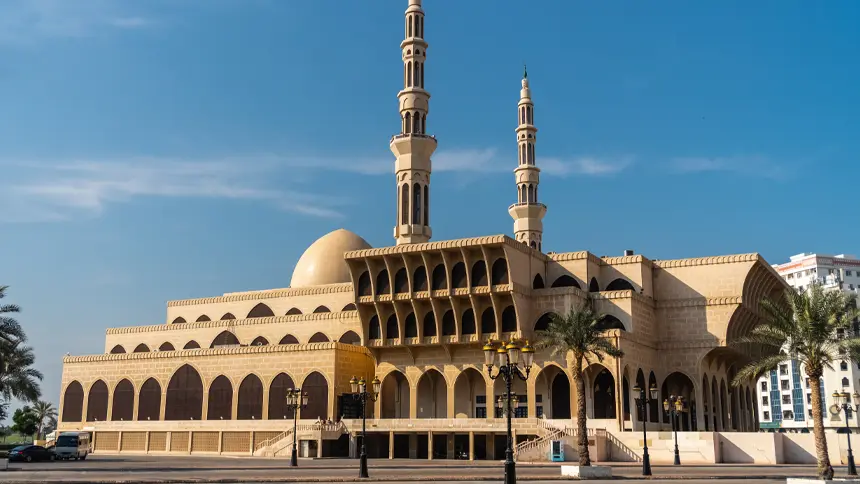
One of the emirate’s most iconic religious landmarks, the Ajman Grand Mosque, is a stunning example of Islamic architecture. Completed in 2008, the mosque seamlessly blends traditional design with modern construction techniques. It can accommodate over 2,000 worshippers and features marble floors, intricate chandeliers, and elegant domes. The mosque also offers guided tours for visitors interested in Islamic art and culture. Many are captivated by its peaceful ambiance and the harmony of its architectural elements, while its central location makes it easily accessible for tourists exploring the city.
Al Nuaimia Mosque
The Al Nuaimia Mosque is a prominent spiritual site known for its minimalist yet striking design. It provides an intimate environment ideal for prayer and reflection, reflecting the community’s devotion to spiritual life. The mosque showcases traditional Emirati architectural styles with subtle modern influences and features an ornate mihrab along with decorative wooden elements. As a smaller mosque, it offers visitors a space for personal contemplation while also serving as a centre for community gatherings, demonstrating how modest religious spaces can provide meaningful spiritual experiences.
Masjid Al Tallah
Located within residential neighbourhoods, Masjid Al Tallah is recognised for its welcoming and community-focused atmosphere. It serves worshippers daily and hosts congregational prayers on Fridays, emphasising the role of local mosques in fostering social cohesion and religious practice. The mosque features a simple, functional design that prioritises devotion and accessibility. Visitors have the opportunity to observe local prayer routines and Islamic etiquette, offering insight into the spiritual rhythm of everyday life in Ajman. Mosques like Al Tallah highlight the importance of neighborhood-centered religious spaces that combine faith with community engagement.
Historical Religious Sites
Ajman’s spiritual attractions extend beyond modern mosques. Several historical sites provide insight into the emirate’s past and its connection to Islam.
Ajman Museum and Old Fort
The Ajman Museum, housed in an 18th-century fort, is a cultural and historical treasure that also highlights Islamic life and worship. Visitors can explore ancient prayer rooms and living quarters, view Qur’anic manuscripts, and learn about traditional Emirati rituals. The exhibits showcase the role of religion in local governance and daily life, as well as Islamic craft skills seen in pottery, textiles, and other artifacts. The museum provides a unique combination of history and spirituality, helping tourists understand how religious practices in the emirate have evolved over time.
Historical Burial Grounds
Ajman is also home to several centuries-old Islamic cemeteries that offer a quiet and contemplative experience. These burial grounds feature traditional gravestones with Islamic inscriptions and provide peaceful spaces for reflection on local customs surrounding death and remembrance. Visitors can study the heritage of the community, capture respectful photographs, or conduct historical research, gaining a deeper appreciation for the emirate’s spiritual and cultural continuity.
Spiritual Experiences Beyond Mosques
Religious tourism in Ajman is not limited to observing architecture or attending prayers. Visitors can participate in experiences that enhance their understanding of Islamic culture.
Quranic Learning Centres
This city hosts several Quranic learning centres where visitors can study the Quran and explore Islamic traditions. Some centres even welcome non-Muslim guests, providing insight into the teachings and their role in daily life. These centres offer interactive sessions on Islamic beliefs and values, introduce Arabic calligraphy and recitation practices, and allow engagement with local scholars and educators, creating a meaningful educational experience for all visitors.
Community Festivals and Religious Events
Major Islamic celebrations in Ajman, such as Ramadan, Eid al-Fitr, and Eid al-Adha, provide tourists with opportunities for spiritual observation and cultural immersion. Visitors can attend communal prayers at mosques, enjoy traditional meals and gatherings that encourage generosity, and explore night markets and cultural programs reflecting Emirati heritage. These events showcase faith in action and highlight the strong sense of community and shared traditions in the emirate.
Practical Tips for Religious Tourists
When visiting religious sites in Ajman, certain guidelines ensure respect and enhance the travel experience.
- Dress Modestly: Both men and women should wear clothing that covers arms and legs. Women are advised to use headscarves in mosques.
- Observe Prayer Times: Non-worshipping visitors should avoid disturbing active prayer sessions.
- Photography Etiquette: Always ask for permission before taking photos, particularly in areas of worship.
- Learn Local Customs: Familiarity with basic Islamic greetings and gestures is appreciated.
- Use Local Guides: Engaging local experts can provide historical context and enrich understanding.
Following these guidelines ensures a respectful and meaningful experience for both visitors and the local community.
Role of Authorities in Promoting Religious Tourism
This city government and local tourism boards have invested in preserving religious landmarks and promoting spiritual tourism. Initiatives include:
- Infrastructure Development: Enhancing access to mosques and historical sites with better roads, signage, and parking.
- Cultural Programs: Organising guided tours, lectures, and exhibitions on Islamic art and heritage.
- Digital Platforms: Promoting sites online for international tourists and providing virtual experiences.
- Conservation Efforts: Maintaining historical sites and ensuring modern developments respect cultural integrity.
Such efforts make Ajman a safe, accessible, and appealing destination for those seeking religious enrichment.
Benefits of Visiting Religious Sites in Ajman
Travellers visiting Ajman’s spiritual landmarks enjoy multiple advantages:
- Personal Growth: Reflection and exposure to new beliefs encourage inner development.
- Cultural Awareness: Understanding Islamic traditions fosters cross-cultural empathy.
- Architectural Appreciation: Mosques and historic structures showcase intricate craft skills and design principles.
- Peaceful Environment: Many sites provide tranquil settings away from urban bustle, ideal for meditation or quiet observation.
Religious tourism in Ajman bridges the gap between faith, culture, and travel, offering experiences that go beyond sightseeing.
Conclusion
Ajman may be small, but it is rich in spiritual heritage. From grand mosques to quiet prayer spaces, historical forts, and educational centres, the emirate offers a diverse array of religious attractions. These sites not only allow visitors to witness Islamic practices and Emirati culture but also promote reflection, learning, and community connection. Respecting local customs and engaging with the culture can transform a simple visit into a meaningful experience. For tourists seeking more than beaches and shopping, Ajman provides a rare opportunity to explore faith, tradition, and history intertwined. Whether it’s the grandeur of Ajman Grand Mosque, the serenity of Al Nuaimia Mosque, or the insights offered by the Ajman Museum, the emirate promises spiritual enrichment alongside cultural discovery.