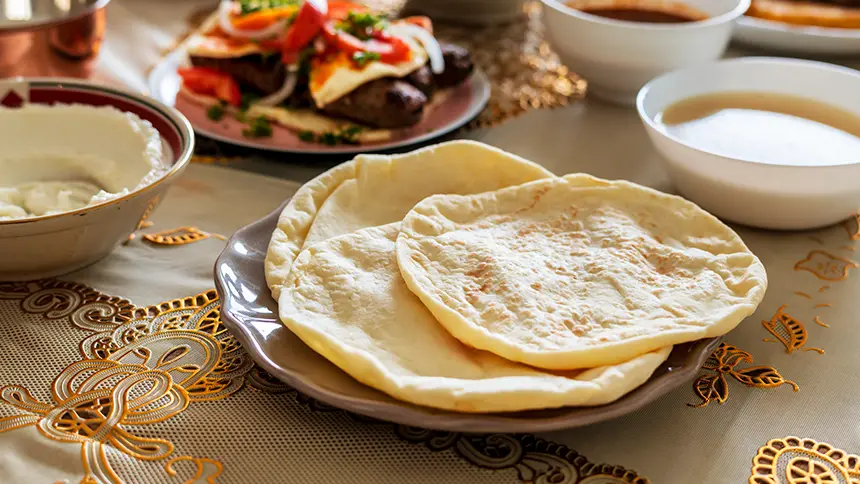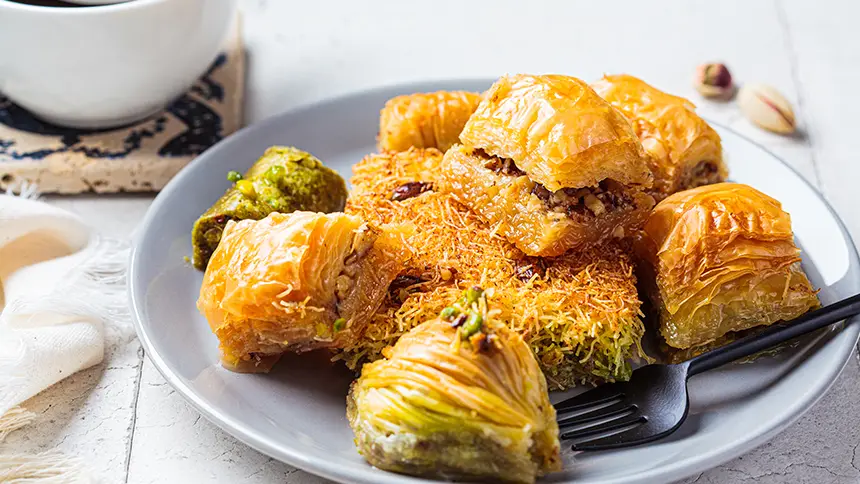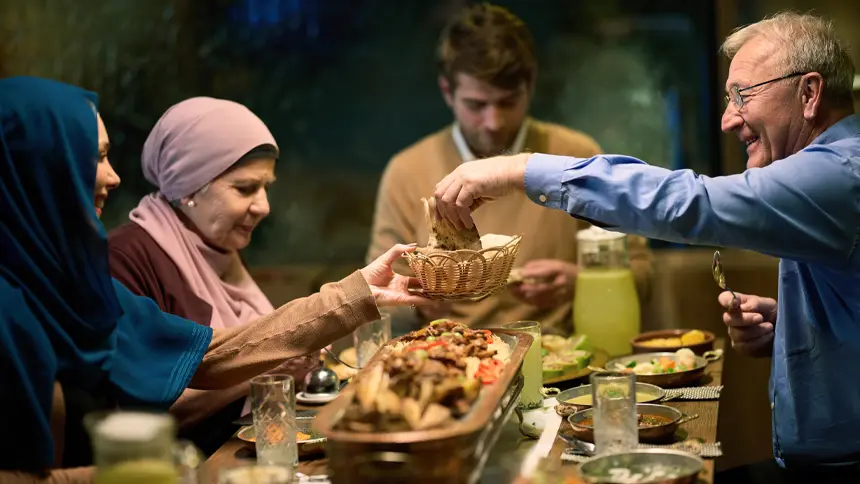
Ajman, one of the smallest emirates in the United Arab Emirates, has developed a rich and diverse food culture over time. Traditionally, the region’s cuisine was shaped by fishing, trade, and desert life, with meals based on rice, seafood, dates, and spices. Over the years, migration has played a major role in transforming this culinary landscape. Today, Ajman is home to people from many countries, including India, Pakistan, the Philippines, Iran, Lebanon, and several African nations. Each group has brought its own cooking traditions, ingredients, and dining habits. This has created a unique environment where traditional Emirati meals exist alongside global dishes. The result is a vibrant and evolving food culture that reflects both heritage and modern influences.
Traditional Food Roots of Ajman
Before exploring the influence of migrant communities, it is essential to understand Ajman’s original food traditions. Emirati cuisine developed around the natural resources available in the region, such as fish from the coast, dates from local palms, and grains like rice and wheat. Trade connections with neighbouring regions, including India and Persia, also played a significant role, introducing new spices and cooking methods. Hospitality has always been central to the culture, with coffee and dates commonly served to guests as a sign of welcome and respect.
Ajman’s traditional dishes reflect this combination of local ingredients and external influences. Machboos, a spiced rice dish with meat or fish, and Harees, slow-cooked wheat and meat, remain staples of the Emirati table. Luqaimat, sweet dumplings drizzled with date syrup, showcase the region’s love for desserts. These recipes demonstrate that even before modern migration, Ajman’s culinary practices were already shaped by a blend of local resources and international flavours, creating a rich and distinctive culinary culture.
Growth of Migrant Communities in Ajman
Ajman has seen steady population growth over the years, largely driven by employment opportunities, affordable living, and business-friendly policies. Migrants now make up a significant portion of the population, coming to work in sectors like construction, retail, and services, or to take advantage of business opportunities in free zones. The lower cost of living compared to other emirates also attracts many families and workers. This demographic shift has had a direct impact on the local food scene, as people seek familiar flavours from their home countries, resulting in the emergence of numerous restaurants and culinary outlets catering to diverse communities.
Introduction of Global Cuisines
One of the most visible effects of migration is the wide variety of international cuisines available in Ajman today.
Major Influences
South Asian Cuisine
- Includes Indian, Pakistani, and Bangladeshi Cuisine
- Popular dishes: biryani, curries, tandoori items
- Widely available due to a large South Asian population
Middle Eastern and Levant Cuisine
- Lebanese, Syrian, and Palestinian dishes
- Shawarma, hummus, and falafel are common
- Strong presence in street food culture
Asian Cuisine
- Filipino, Chinese, Japanese, and Thai foods
- Noodles, rice meals, and seafood-based dishes
- Fusion concepts combining different Asian styles
These cuisines have become part of everyday dining, offering residents a wide range of choices.
Fusion Cuisine and Culinary Innovation
The migration to Ajman has not only introduced new dishes but also inspired creativity in cooking. Chefs often experiment by combining ingredients and techniques from multiple cultures, resulting in unique culinary creations. Examples of these fusion trends include traditional Emirati dishes enhanced with international spices, Asian cooking methods applied to local seafood, and Western-style presentation of classic meals. This blending of flavours and styles reflects how different cultures interact and evolve, while also appealing to younger generations who enjoy modern and diverse dining experiences.
Role of Small Businesses and Street Food
Migrant communities have played a significant role in shaping Ajman’s culinary scene through small businesses and street food ventures. These establishments provide affordable meals for workers and residents while offering authentic home-style cooking. They also introduce regional dishes that were previously unfamiliar to the local population. Street food culture has flourished as a result, featuring popular items such as shawarma wraps, samboosa snacks, falafel sandwiches, and traditional sweets sold in local markets. These accessible and flavourful options reflect the daily eating habits and cultural diversity of Ajman’s residents.
Cultural Exchange Through Food
Food serves as a powerful bridge between cultures, and in Ajman, dining spaces often bring together people from diverse backgrounds. By sharing meals, residents and visitors have the opportunity to experience different culinary traditions, taste new flavours, and learn about the customs of other communities. Restaurants act not only as places to eat but also as social hubs where people interact and exchange ideas. Additionally, cultural festivals and culinary events showcase a variety of dishes, allowing everyone to appreciate the richness of global cuisine. Migrant-owned businesses often go beyond serving meals by sharing stories and traditions, preserving their heritage while introducing it to the wider community.
Economic Impact of Migrant Food Businesses
Migrant communities have contributed significantly to Ajman’s economy through the culinary industry. Restaurants, cafés, and food delivery services not only cater to residents’ diverse tastes but also generate employment opportunities in cooking, service, and logistics. The growth of small and medium enterprises in the dining sector has further strengthened the local economy, creating jobs and supporting suppliers. Moreover, the presence of varied international cuisines attracts tourists and visitors, enhancing Ajman’s reputation as a modern city with a dynamic culinary scene.
Preservation of Identity Through Food
While adapting to life in a new environment, migrants often use food to maintain their cultural identity. Traditional recipes passed down through families help communities stay connected to their roots. Community-run restaurants and culinary outlets play a key role in serving authentic dishes, providing both familiarity for their own members and cultural experiences for others. Cultural celebrations, centred around traditional meals, further reinforce heritage, ensuring that customs and culinary practices continue even far from their original homeland.
Challenges and Changes
Despite the many benefits, migration also brings challenges to Ajman’s culinary culture. Traditional Emirati recipes face the risk of becoming less common as global cuisines gain popularity. The increase in restaurants can lead to competition, sometimes standardising flavours and reducing culinary uniqueness. Additionally, international food trends may overshadow local dishes. Nevertheless, efforts are underway to preserve traditional cooking practices through cultural programs, heritage festivals, and dining experiences that celebrate the authentic flavours of the region.
Conclusion
Ajman’s food culture clearly shows how migration can shape everyday life. The emirate has transformed from a simple traditional culinary system into a diverse culinary destination. Migrant communities have introduced new flavours, cooking styles, and dining habits, making meals more exciting and varied. At the same time, traditional Emirati dishes remain important, creating a balance between heritage and change. This mix of old and new makes Ajman’s food culture unique.