Ajman, the smallest emirate in the UAE, offers more than modern buildings and bustling markets. Its charm lies in its rich heritage, traditional architecture, and historic neighbourhoods. For travellers interested in culture, history, and authentic experiences, Ajman’s heritage villages and old areas provide a window into the emirate’s past. Exploring these spaces allows visitors to experience the lifestyle, crafts, and traditions of earlier generations.
Understanding Ajman’s Cultural Legacy
Ajman holds a unique place among the emirates, managing to balance modern urban growth with careful preservation of its historical roots. The city’s old neighbourhoods and restored villages reveal a glimpse of life from earlier times, allowing visitors to experience the emirate’s rich heritage firsthand. Traditional architecture, including simple wind towers, coral stone houses, and open courtyards, illustrates the practical and aesthetic approaches of past generations.
Alongside its buildings, Ajman’s cultural traditions continue to thrive through crafts, folklore, and culinary practices handed down over time. The close-knit communities of these neighbourhoods reflect strong social values and a sense of belonging, emphasising collective living and shared experiences. Together, these features provide a deeper insight into Ajman’s identity, showing that the emirate offers far more than its modern skyline and contemporary attractions.
Notable Heritage Villages in Ajman
Ajman hosts several villages that reflect the emirate’s historical and cultural richness. These locations are often preserved by local authorities to promote tourism and education.
Ajman Heritage Village
This is the most famous Traditional site in the emirate. Located near Ajman Fort, it offers visitors a complete cultural experience. Key features include:
- Traditional houses and structures – showcasing the living conditions of families in the early 20th century.
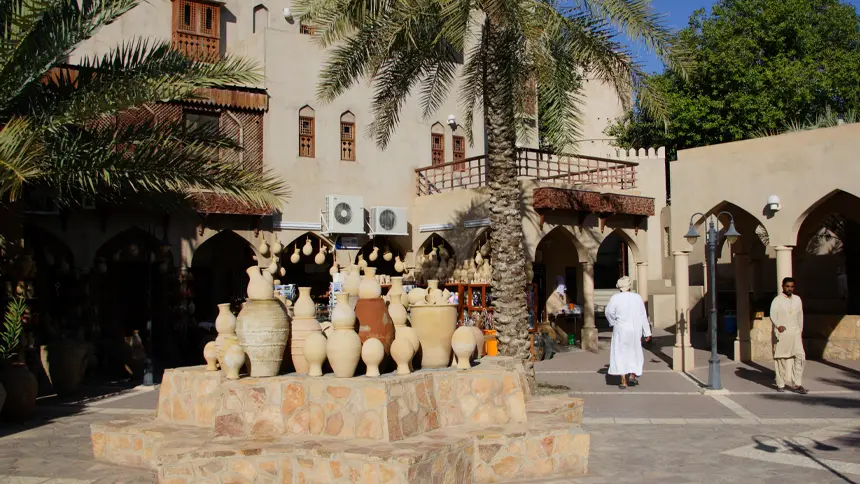
- Handicraft demonstrations – pottery, weaving, and metalwork performed by skilled artisans.
- Local cuisine tasting – visitors can enjoy traditional Emirati meals prepared in authentic ways.
- Cultural events – festivals, folklore performances, and music nights bring the village to life.
This village is not only educational but also provides a hands-on experience for tourists interested in Emirati customs.
Al Zorah Heritage Areas
Though slightly modernised, Al Zorah retains old fishing village features along the coastline. Attractions here include:
- Mangrove exploration – showcasing natural surroundings alongside heritage elements.
- Boat making traditions – craftspeople demonstrating traditional dhow construction.
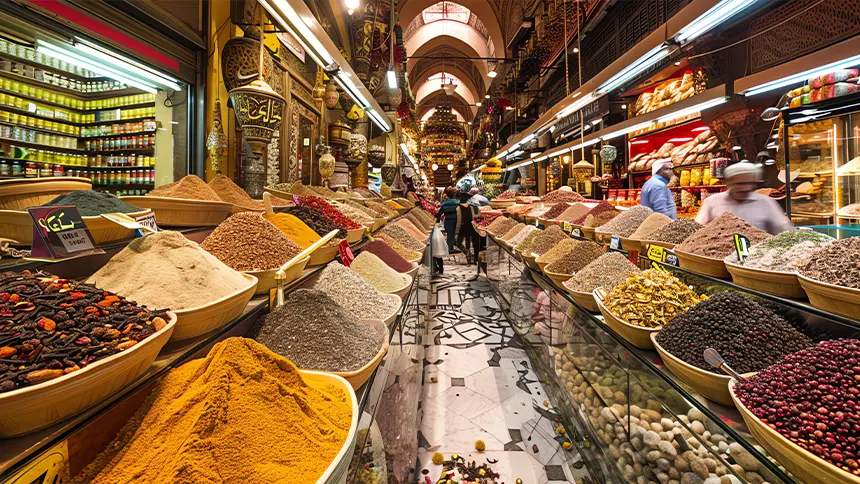
- Small local markets – offering souvenirs, spices, and handmade items.
These areas blend natural beauty with cultural insights, appealing to nature enthusiasts and history lovers alike.
Old Ajman Neighbourhoods
Apart from designated Cultural Villages, Ajman’s older districts reveal the authentic urban lifestyle of the past. Some highlights are:
- Ajman Corniche area – historical homes near the waterfront showing traditional layouts.
- Sheikh Zayed Street neighbourhoods – older buildings with coral walls and shaded courtyards.
- Local mosques and community centres – providing insight into social and spiritual life.
Walking through these areas offers a glimpse into the day-to-day life of Ajman’s earlier residents, from market activities to family gatherings.
Architectural Significance
The architecture in Ajman’s heritage sites is both practical and symbolic. Key characteristics include:
- Wind towers (Barajeel) – natural cooling systems reflecting climate adaptation techniques.
- Thick coral walls – insulating homes from heat while giving a distinct visual appeal.
- Courtyards – central gathering spaces promoting family and community interaction.
- Decorative elements – geometric patterns, wooden doors, and latticed windows symbolise artistry.
These structures are not only beautiful but also demonstrate sustainable practices used before modern technology became widespread.
Cultural Experiences in Heritage Villages
Visiting heritage sites in Ajman offers much more than just sightseeing; it provides an immersive cultural experience that leaves lasting memories. Tourists can participate in craft workshops to learn pottery, weaving, or traditional embroidery, or join cooking classes to prepare authentic Emirati dishes like Harees, Luqaimat, and Balaleet. Storytelling sessions bring the past to life through folklore, legends, and historical accounts, while traditional music and dance performances, such as Ayallah dance and Oud music, showcase the entertainment and artistic skills of earlier generations. These activities give visitors a meaningful understanding of daily life, traditions, and cultural practices in Ajman.
Festivals and Events
Heritage villages frequently host cultural events throughout the year. Popular activities include:
- National Day celebrations – showcasing traditional attire, parades, and performances.
- Craft fairs – selling handmade jewellery, pottery, and fabrics.
- Food festivals – emphasising traditional dishes and cooking techniques.
- Cultural workshops – interactive sessions for children and adults to learn old skills.
Such events encourage interaction between locals and tourists, preserving traditions while educating visitors.
Benefits of Exploring Heritage Sites
Tourists who explore Ajman’s heritage sites enjoy a wide range of benefits that make their visit both enriching and memorable. These areas provide significant educational value, allowing visitors to understand historical lifestyles, customs, and the way communities once lived. At the same time, they foster cultural appreciation by offering a direct connection to the Emirati Legacy, traditions, and artistic practices. Traditional villages and old neighbourhoods also provide a peaceful escape from the bustle of modern city life, creating serene environments ideal for relaxation and leisurely exploration.
For photography enthusiasts, these locations are especially rewarding, with picturesque streets, traditional houses, and vibrant cultural events offering countless opportunities to capture authentic moments. Beyond personal enjoyment, heritage tourism has a positive impact on local communities by supporting skilled artisans, small businesses, and the preservation of traditional crafts. This ensures that cultural treasures are not only experienced by visitors but also sustained and passed down for future generations to appreciate and enjoy.
Tips for Visiting
To make the most of a visit to Ajman’s heritage villages and neighbourhoods:
- Plan ahead – check opening hours and festival dates.
- Dress modestly – respectful attire is appreciated in cultural areas.
- Engage with locals – ask questions to gain deeper insights into customs.
- Take guided tours – knowledgeable guides can explain historical significance.
- Support local crafts – purchase handmade souvenirs to encourage traditional skills.
Being respectful and curious ensures a meaningful and enjoyable experience.
Preservation Efforts
Ajman has taken active steps to preserve its cultural heritage through a variety of initiatives. Efforts include restoring old houses and public spaces to maintain their historical charm, while supporting local artisans by organising workshops and exhibitions that showcase traditional crafts. The emirate also promotes heritage tourism as a way to raise awareness and generate funds for preservation, ensuring that cultural sites remain vibrant and well-maintained. Additionally, cultural education is integrated into schools to teach younger generations about their history and traditions. Together, these measures help prevent the neglect of historical sites while making Ajman’s rich heritage accessible and engaging for both residents and visitors.
Conclusion
Ajman’s heritage villages and old neighbourhoods offer a unique journey into the emirate’s past. Visitors can explore traditional homes, watch craftspeople at work, taste authentic dishes, and participate in festivals. These experiences go beyond sightseeing, they connect people with history, culture, and community values. Whether wandering historic streets or attending a cultural workshop, tourists gain knowledge, appreciation, and memories that last a lifetime.