Fortresses and watchtowers are important historical structures that played a major role in protecting early communities in the United Arab Emirates. Long before the country became a modern and developed nation, people built these strong defensive buildings to safeguard their settlements from attacks and to secure valuable trade routes that connected the region with other parts of the world. Standing in strategic locations such as coastlines, mountains, and desert paths, these structures helped guard families, traders, and important water sources. Their presence also ensured safe travel and communication across the land. Today, these ancient strongholds represent a deep connection to the UAE’s cultural heritage and remind us of the courage, intelligence, and unity of the people who lived in the past. By learning about them, we gain a better understanding of the nation’s history and the strong foundations on which it was built.
Origin and Purpose of Fortresses and Watchtowers
The origin of fortresses and watchtowers in the United Arab Emirates dates back to a time when communities needed strong protection to survive in a harsh and uncertain environment. Many years ago, the region was made up of small tribes that often faced threats from rival groups, foreign invaders, and desert raiders. To keep their people safe, early settlers built defensive bases as powerful protection systems. These structures helped communities stay prepared for sudden attacks and maintain peace within their territories.
They were especially important in protecting vital resources such as freshwater wells and oases, which were essential for life in the desert. Protective compounds also defended trade paths that connected the UAE with neighbouring regions, ensuring that merchants could move safely with their goods. In coastal areas, lookout posts were built to monitor the sea and warn against pirate attacks or incoming enemies.
Together, these defensive buildings provided safety, stability, and confidence for local populations. They allowed trade, farming, and cultural development to grow without constant fear of danger. The purpose behind protective structures was not only to defend land but also to protect the future of entire communities.
Architectural Features
The architectural features of fortresses and watchtowers in the United Arab Emirates reflect both smart planning and a deep understanding of the environment. These structures were usually built using materials that were easily available in the region, such as mudbrick, coral, stone, and timber. Mudbrick helped keep the interiors cool, while coral and stone added strength and durability, especially in coastal and mountainous areas.
Builders carefully chose strategic locations to ensure maximum protection and visibility. Many forts were constructed near oases to safeguard precious water sources, while others were placed along trade routes or on higher ground to monitor approaching travellers. Observation towers, on the other hand, were often built on mountaintops or coastlines, allowing guards to spot danger from far away. Although fortresses and watchtowers served the common purpose of defending communities, their design and functions were different.
Fortresses were large, multi-room buildings with thick walls, courtyards, and storage areas, meant to house soldiers and local leaders. Signal towers were smaller, narrower structures built mainly for surveillance and quick warnings. Together, their architecture shows how people in the past combined practical materials with clever design to create strong and reliable protection.
Famous Fortresses in the UAE
Al Jahili Fort – Al Ain
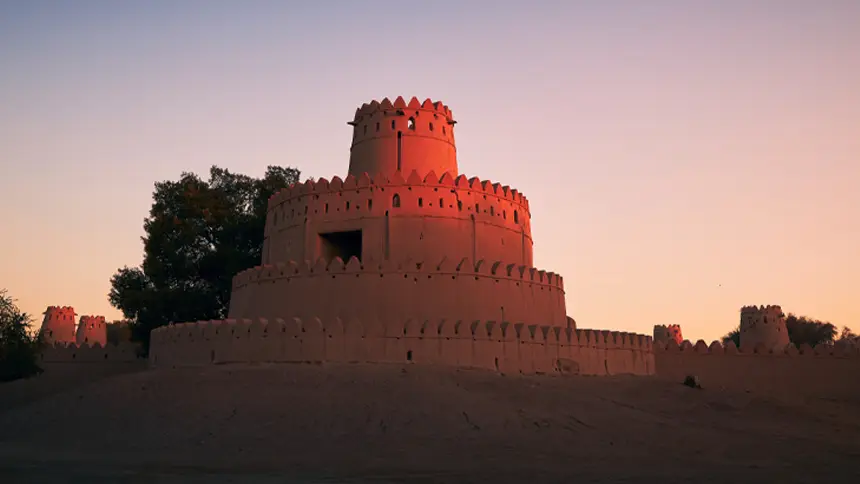
Al Jahili Fort in Al Ain is one of the largest and most impressive forts in the UAE. It was built in the late 19th century to protect the palm-tree oasis and the local community from outside threats. The fort also served as a base for the ruling family and helped maintain peace in the region. Today, it stands as a symbol of unity and strength, and its historical contribution lies in safeguarding trade and farming in Al Ain while supporting cultural development.
Al Fahidi Fort – Dubai
Al Fahidi Fort in Dubai is one of the oldest existing buildings in the city. It was originally constructed to defend Dubai Creek, which was an important centre for trade and fishing. The fort played a major role in protecting merchants, goods, and local families from attacks. Over time, it became a hub for leadership and decision-making. Now transformed into the Dubai Museum, the fort continues to contribute by preserving history and educating visitors about traditional Emirati life.
Al Hisn Fort – Sharjah
Al Hisn Fort in Sharjah was built more than two centuries ago as the residence of the ruling family and as a defensive stronghold. Its main purpose was to protect the town from tribal conflicts and secure trade routes along the coast. The fort also served as a political and administrative centre where important agreements were made. Today, its historical contribution continues through exhibitions and displays that teach people about Sharjah’s past, culture, and governance.
Prominent Watchtowers Across the Emirates
Prominent watchtowers across the Emirates played a vital role in protecting early settlements, especially in regions such as Ras Al Khaimah and Fujairah. The coastal sea-guard towers of Ras Al Khaimah were built close to the shoreline to monitor the sea and provide early warning against pirate ships or foreign invaders. Their tall structures allowed guards to observe the horizon and communicate danger quickly to nearby villages.
Similarly, the mountainous high-altitude sentry towers of Fujairah were constructed high on rocky hills to give a clear view of the surrounding landscape. From these heights, guards could spot approaching enemies long before they reached the community. These towers were connected through signals such as fire, smoke, or messenger riders, making communication fast and effective across long distances. Although simple in design, they were extremely important for defence and safety, helping protect trade, livestock, water sources, and families. Today, ancient lookout structures stand as strong reminders of how thoughtfully people in the past planned their protection. They also represent the bravery and responsibility of the guards who watched over the land day and night.
Social and Cultural Significance
The social and cultural significance of these historic defence sites in the United Arab Emirates goes far beyond their protective purpose. These structures were important centres of leadership and community decision-making, where local rulers and elders gathered to discuss trade, security, and the welfare of the people. Within their walls, major agreements were made, disputes were settled, and plans were formed to support the growth of the community. They also became strong symbols of unity, bravery, and resilience.
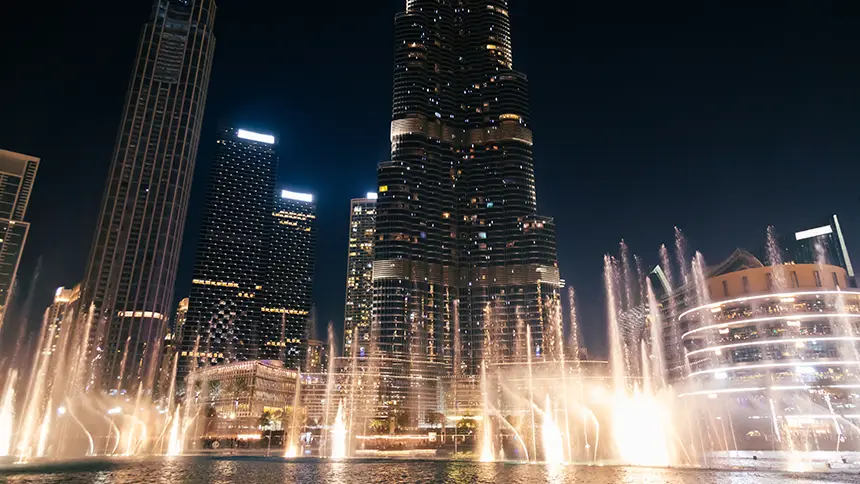
They reflected the courage of the guards and warriors who risked their lives to defend their land, as well as the determination of families who worked together to protect their homes. Before the arrival of modern developments and skyscrapers, these heritage buildings represented the true identity of the UAE. They showed the values that shaped society—loyalty, teamwork, and pride in one’s land. Even today, ancestral defence landmarks remain powerful reminders of the country’s cultural roots and the spirit of cooperation that helped early communities survive and progress.
Preservation and Tourism Today
Today, these heritage defence structures in the United Arab Emirates are not only preserved as historical landmarks but are also celebrated as important cultural attractions. The government and heritage organisations have carried out major restoration efforts to repair damaged structures and protect them from weathering, ensuring that these ancient buildings remain strong for many years to come. Many sites have been transformed into museums and cultural locations that attract visitors from around the world.
Tourists can explore their impressive architecture, learn about traditional lifestyles, and understand how early communities defended themselves. These sites also hold great educational value for students and future generations. School trips and heritage programmes allow young people to see history in a real and meaningful way, helping them develop a deeper respect for their country’s past. By preserving these historical defence monuments, the UAE is keeping its cultural story alive and reminding everyone of the bravery and wisdom of those who lived long before modern development began.
Conclusion
Fortresses and watchtowers are powerful symbols that help us understand the history of the United Arab Emirates and the challenges faced by early communities. These remarkable structures remind us of a time when people relied on their strength, intelligence, and unity to defend their settlements and protect valuable resources. They play an important role in shaping the UAE’s heritage and national pride, showing the courage and resilience that continue to inspire citizens today. By visiting and learning about these historic buildings, people develop a stronger connection to the nation’s cultural identity. It is therefore essential to continue preserving and restoring these defensive landmarks so that future generations can appreciate their historical importance. Protecting them ensures that the UAE’s past is never forgotten and that the valuable lessons of bravery, teamwork, and leadership continue to guide the nation forward.