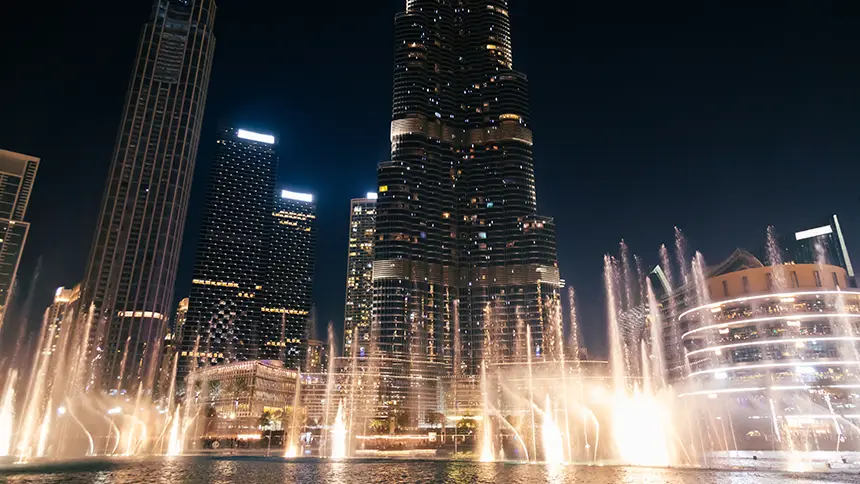
Modern Dubai dazzles the world with its futuristic skyline, luxury lifestyle, and record-breaking landmarks. But hidden among the tall towers lies a reminder of its humble beginnings, Al Fahidi Fort, the oldest surviving building in the city. Built in the late 18th century, this fort is a living memory of the emirate’s journey from a small fishing and trading settlement to one of the world’s most modern cities. Today, it houses the Dubai Museum, attracting millions of visitors who want to discover the city’s fascinating past. This landmark is more than just a building, it is a bridge between old and new Dubai.
History
The Construction and Early Purpose
- Year of construction: built in 1787 by Sheikh Rashid bin Saeed Al Maktoum.
- Primary purpose: This served as a defensive structure to protect Dubai Creek, the heart of trade and life in Dubai.
- Materials used: It was built using traditional materials like coral rock, gypsum, palm fronds, and mud, which were common in desert architecture.
At a time when the city was a small settlement dependent on pearl diving, fishing, and trade with neighboring regions, the fort symbolized security and strength. Its location allowed guards to monitor approaching boats and prevent enemy invasions.
Different Roles Through the Years
Over time, Al Fahidi Fort took on various functions:
- Military base: A stronghold against tribal raids and external threats.
- Royal residence: Home to the ruling family during certain periods.
- Prison: The fort’s sturdy walls made it a suitable holding place for prisoners.
- Government office: Administrative duties were sometimes carried out within the fort.
This ability to adapt to different roles made the structure an essential part of Dubai’s governance and defense.
Architecture and Design
Traditional Desert Architecture
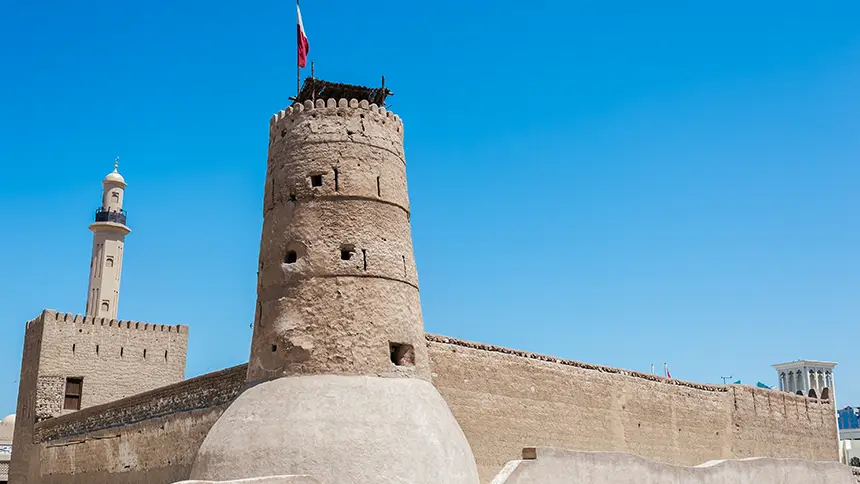
The design of Al Fahidi Fort showcases traditional desert architecture, built to withstand the harsh climate while serving practical needs. Its thick coral stone walls kept the interior cool, while tall watchtowers offered protection for spotting approaching threats. A central open-air courtyard provided space for gatherings and daily activities, and wooden beams with palm fronds were used for roofing, reflecting the resourceful building methods of early Emirati life.
Defensive Features
This structure served not just as a residence but also as a strong military base, equipped with key defensive features. Cannons were positioned at its gates and corners for protection, while tall walls with narrow slits allowed archers to strike without being seen. Its watchtowers provided sweeping 360-degree views of the desert and creek, ensuring this remained well-guarded against potential threats.
Expansion and Renovations
The fortress underwent expansion during the 19th century as Dubai grew in importance. Restoration projects in the 20th century carefully preserved its original style while strengthening the structure to withstand time and weather. Today, it stands as an example of sustainable desert architecture that balances practicality with defense.
Transformation into the Dubai Museum
Opening of the Museum
In 1971, the same year the United Arab Emirates was founded, this stronghold was officially opened as the Dubai Museum. This transformation gave new life to the building, making it a place of learning and cultural preservation.
Exhibits Inside the Fort
The museum showcases Dubai’s history, culture, and traditions through creative displays. Visitors can see:
- Artifacts from ancient Dubai: Tools, pottery, and weapons that belonged to early settlers.
- Traditional Emirati houses: Reconstructed homes that show how families lived before modern development.
- Pearl diving exhibits: Equipment and boats used for pearl diving, once the backbone of Dubai’s economy.
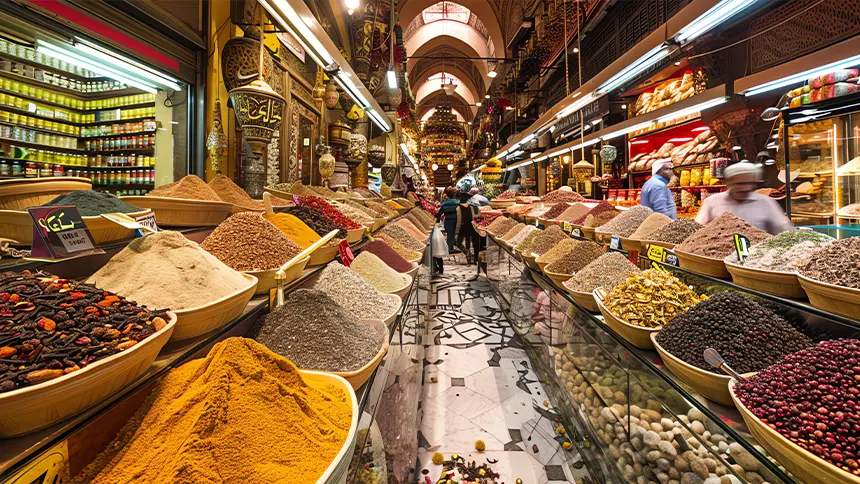
- Souk and marketplace displays: Life-sized models of merchants, craftsmen, and traders.
- Bedouin lifestyle exhibits: Showcasing tents, clothing, and desert survival tools.
- Archaeological finds: Objects from excavations dating back to 2000 BC.
Multimedia Presentations
To make history engaging, the museum uses sound effects, videos, and life-size dioramas. For example:
- You can walk through a recreated souq (market) with the sounds of bargaining traders.
- Desert and sea life are brought to life through models and moving displays.
- Scenes of pearl divers jumping into the sea capture the bravery of this traditional profession.
Cultural and Historical Significance
Al Fahidi Fort is a symbol of old Dubai, reminding visitors of a time when the city was a desert community built on trade, fishing, and pearls. Unlike today’s skyscrapers, it reflects resilience and simplicity. For locals, this is a source of pride and learning. Students visit to understand their roots, and researchers study its artifacts to trace the city’s early links with Persia, India, and Africa. Once a defensive stronghold, the fort is now a museum that protects culture and history, showing how Dubai honors its past while embracing the future.
Visiting Al Fahidi Fort Today
- Address: Al Fahidi Historical District (Bur Dubai) near Dubai Creek.
- Accessibility: Easily reachable by metro (Al Fahidi or Al Ghubaiba stations), taxi, or water taxi (abra).
- Opening hours: Usually open daily, except on some public holidays.
- Entry fees: Affordable tickets, often just a few dirhams, making it accessible to everyone.
- Guided tours: Available for those who want a detailed understanding of exhibits.
Visitor Experience
When you visit here, you’ll see its strong outer walls and watchtowers, along with large wooden doors decorated with iron studs. The central courtyard often displays traditional boats and cannons, while the museum galleries inside take you on a fascinating journey through Dubai’s history.
Why Al Fahidi Fort Still Matters
Dubai is often described as futuristic, but this Fort reminds both residents and tourists that traditions and history still matter. It shows that the city values its roots even while building forward.
The fort is among the most visited museums in the city, making it a cultural attraction for tourists and a classroom for students. It proves that learning about the past can be as exciting as experiencing modern attractions.
By showcasing how people here have lived through challenges like heat, desert life, and limited resources, the fort inspires today’s generation to appreciate progress while respecting the struggles of the past.
Key Highlights of Al Fahidi Fort
- Built in 1787, making it Dubai’s oldest standing building.
- It originally served as a defensive stronghold near Dubai Creek.
- Functioned as a military post, royal residence, prison, and government office.
- Constructed using traditional desert materials like coral stone and palm fronds.
- Converted into the Dubai Museum in 1971, the same year the UAE was formed.
- Exhibits include pearl diving tools, Bedouin tents, traditional houses, and archaeological finds.
- Located in Bur Dubai, easily accessible for visitors.
- Symbolizes heritage, resilience, and the link between past and future.
Conclusion
Al Fahidi Fort is more than a historic site, it is a living symbol of Dubai’s journey from a small desert village to a global metropolis. Its walls, built centuries ago for defense, now protect memories and traditions for future generations. By walking through its courtyards and museum galleries, visitors can see and feel the life of old Dubai, from pearl diving to traditional marketplaces.
In a city that is constantly racing toward the future, this Fort stands as a gentle reminder of the past. It teaches us that no matter how modern and advanced we become, history and culture are the foundations of identity.