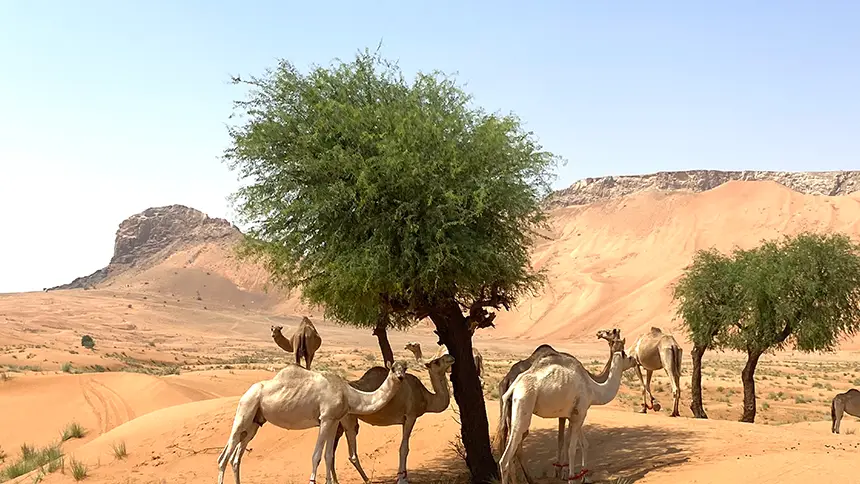
When people think of the United Arab Emirates, they often imagine skyscrapers, luxury malls, and futuristic cities like Dubai and Abu Dhabi. But beyond the glittering skylines lies another side of the country, one rooted in nature, culture, and sustainability. The UAE is quietly transforming into one of the region’s most promising destinations for eco-tourism, offering experiences that connect people with the environment while promoting responsible travel.
Eco-tourism, or sustainable travel, focuses on exploring natural areas with minimal environmental impact. It encourages visitors to appreciate local ecosystems, respect wildlife, and support communities. In the UAE, this concept is growing rapidly, blending modern comfort with environmental consciousness.
The Shift Toward Sustainable Travel
The global tourism industry is evolving, and the UAE is keeping pace. The country’s leaders understand that tourism must move beyond luxury to sustainability. With climate challenges and growing awareness among travelers, eco-friendly tourism is no longer a trend, it’s a lifestyle choice.
Why It’s Growing
Several factors have driven the rise of eco-tourism in the UAE
- Government Vision: The UAE’s Vision 2030 and Green Economy initiatives focus on sustainability, renewable energy, and conservation-based development.
- Changing Traveler Mindset: Tourists today prefer authentic experiences to extravagance. They want to learn, explore, and contribute positively to local environments.
- Abundant Natural Landscapes: Despite its desert reputation, the UAE has mountains, mangroves, beaches, and oases that are perfect for sustainable exploration.
- Supportive Infrastructure: Eco-resorts, national parks, and protected zones are being designed to welcome travelers who value nature.
Eco-Friendly Destinations Across the Emirates
Each emirate offers something unique for travelers seeking eco-conscious adventures. From desert dunes to lush mangroves, these destinations highlight the UAE’s biodiversity and cultural heritage.
Al Wathba Wetland Reserve, Abu Dhabi
This natural sanctuary, located about 40 kilometers from Abu Dhabi city, is home to over 250 species of birds, including the famous pink flamingos. The reserve promotes conservation and education through guided tours and bird-watching platforms.
Highlights
- Walking trails through wetlands
- Flamingo nesting areas
- Visitor centers with eco-education programs
Why It Matters
Al Wathba shows how a desert nation can protect fragile ecosystems while allowing visitors to enjoy them responsibly.
Hatta, Dubai
Hatta is the UAE’s outdoor adventure capital and one of its top eco-tourism models. Surrounded by the Hajar Mountains, it combines rugged beauty with sustainable practices.
Things to Experience
- Kayaking in Hatta Dam’s turquoise waters
- Hiking and mountain biking trails
- The Hatta Heritage Village, showcasing Emirati rural life
- Eco-lodges such as the Hatta Dome Park and Hatta Seder Trailers
Sustainability Factor
Hatta’s eco-lodges are built from recycled materials and powered by solar energy. The area also encourages local businesses and craft markets to thrive sustainably.
Kalba Mangrove Reserve, Sharjah
Located along the eastern coast near Fujairah, Kalba is home to one of the oldest mangrove forests in the region. It’s also a protected site for the rare Arabian collared kingfisher.
Eco-Friendly Activities
- Kayaking through mangrove channels
- Birdwatching platforms
- Nature education centers
Environmental Role
Mangroves act as natural barriers against coastal erosion and support marine biodiversity, making them essential for climate resilience.
Sir Bani Yas Island, Abu Dhabi
This island is a living example of how eco-tourism and wildlife conservation can coexist. Once a barren land, it was transformed by the late Sheikh Zayed bin Sultan Al Nahyan into a thriving wildlife reserve.
Attractions
- Arabian Wildlife Park, home to cheetahs, oryx, and giraffes
- Sustainable luxury lodges powered by renewable energy
- Snorkeling and hiking experiences
Eco-Initiative
Sir Bani Yas showcases how tourism can support reforestation, animal protection, and environmental awareness.
Ras Al Khor Wildlife Sanctuary, Dubai
Situated near Dubai Creek, this sanctuary brings nature into the city. It’s one of the few places where you can see flocks of flamingos with the urban skyline as a backdrop.
Highlights
- Free public access to bird hides
- Protected wetlands
- Educational programs for schools and families
Sustainability Message
It reminds residents and visitors that urban growth and nature conservation can go hand in hand.
The Role of Technology in Eco-Tourism
The UAE is using technology to make eco-tourism smarter and more sustainable. From AI-powered cameras that monitor wildlife to solar panels supplying clean energy to eco-resorts, innovation is helping protect natural habitats. Mobile apps now guide visitors through ecosystems without paper waste, while electric vehicles and bicycles keep travel within nature reserves emission-free. These advancements ensure that progress supports, rather than harms, the very environments eco-tourism seeks to preserve.
Involving Local Communities
Sustainability is not only about protecting nature but also about supporting people. The UAE’s eco-tourism model includes local communities at every stage, from guiding tours to managing eco-lodges and cultural centers.
Community-Based Projects Include
- Hatta’s Local Market: Run by Emirati entrepreneurs selling organic honey, handicrafts, and local foods.
- Heritage Villages: Residents share stories, crafts, and traditions with visitors, preserving cultural identity.
- Education Programs: Schools in rural areas teach environmental stewardship and outdoor learning.
When travelers engage directly with locals, it creates mutual respect and a deeper appreciation for the country’s traditions and environment.
Eco-Friendly Lifestyle: Beyond Travel
Eco-tourism is inspiring a shift toward eco-living in the UAE, where sustainability has become part of daily life. Residents are embracing reusable products, choosing local organic foods, and supporting green architecture that saves energy. With cycling paths, community gardens, and nature trails, cities are promoting healthier, nature-friendly lifestyles. This growing awareness shows that eco-tourism is more than just a travel trend, it’s a way of living that reflects ongoing respect for the environment.
Tips for Responsible Travelers
To make eco-tourism truly meaningful, visitors should travel with care and mindfulness.
Before the Trip
- Choose eco-certified accommodations.
- Pack reusable water bottles and bags.
- Learn about local customs and environmental rules.
During the Trip
- Stay on marked trails to protect habitats.
- Avoid feeding or touching wildlife.
- Support local artisans and small businesses.
After the Trip
- Share experiences that inspire others to travel responsibly.
- Offset carbon footprints by supporting green projects.
Small actions can make a big difference in preserving the UAE’s natural and cultural heritage.
Conclusion
The rise of eco-tourism in the UAE marks a turning point in how people connect with the nation’s landscapes and culture. From desert adventures in Hatta to bird watching in Abu Dhabi’s wetlands, these experiences show that the UAE is more than a luxury destination; it’s a country embracing sustainability as a lifestyle. By choosing to travel responsibly, visitors not only enjoy the beauty of the Emirates but also contribute to protecting it. Eco-tourism represents harmony between progress and preservation, a reminder that true luxury lies in balance with nature.
In the years ahead, as the UAE continues to blend innovation with environmental care, it stands as a shining example of how a modern nation can lead the way toward a sustainable future. Eco-tourism isn’t just changing travel, it’s shaping a greener, more mindful way of living.