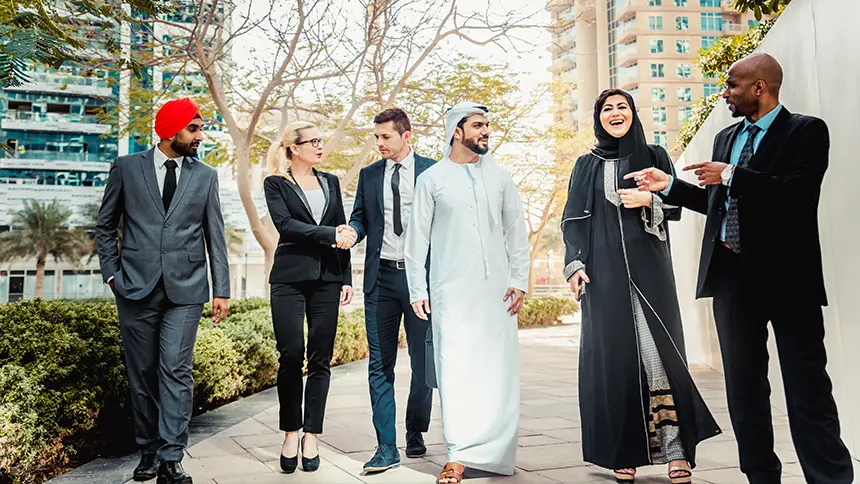
Dubai is one of the most diverse cities in the world, where more than 200 nationalities live, work, and thrive together. From its bustling souks to modern skyscrapers, the city has become a global meeting point for cultures, traditions, and ideas. This unique blend has made Dubai not just a city of dreams, but also a symbol of harmony and coexistence.
How Dubai Became Multicultural
Dubai’s journey toward becoming one of the most multicultural cities in the world is the result of history, vision, and opportunity.
Pearl Diving and Trade in the Past
Long before oil, Dubai was a small trading port where merchants from India, Persia, East Africa, and the wider Arabian Gulf gathered to exchange goods such as pearls, spices, and textiles. This trading culture planted the seeds of diversity and openness.
Discovery of Oil
The discovery of oil brought wealth and rapid development. To build infrastructure, roads, and industries, Dubai welcomed workers and companies from abroad.
Visionary Leadership
Dubai’s leaders realized early on that oil reserves were limited. Instead of relying on oil alone, they invested in trade, finance, tourism, and aviation. To achieve this, they opened doors for people from all over the world, making diversity a key part of the city’s identity.
Free Zones and Business-Friendly Policies
The creation of free trade zones, such as Jebel Ali Port, allowed foreign businesses to operate with full ownership and tax benefits. This encouraged entrepreneurs, investors, and professionals from across the globe to settle in Dubai.
Tourism and Hospitality
By promoting itself as a luxury destination with world-famous attractions like the Burj Khalifa, Palm Jumeirah, and shopping festivals, Dubai attracts millions of visitors every year. Many tourists eventually chose to live and work in the city.
Tolerance and Cultural Freedom
Dubai respects all religions and traditions. People can freely practice their faith, celebrate festivals, and share their cultures, making the city welcoming for everyone.
Main Nationalities in Dubai
Dubai is home to more than 200 nationalities, but some communities are larger and more prominent. Together, they shape the city’s cultural identity.
- Indians: The largest expatriate community in Dubai, Indians contribute to almost every sector. Indian food, Bollywood movies, and festivals like Diwali have become part of its culture.
- Pakistanis: The second-largest community, Pakistanis play a major role in trade, transportation, and construction. They add rich traditions through their food, cricket passion, and cultural celebrations.
- Bangladeshis: Many Bangladeshis work in construction, retail, and service sectors.
- Filipinos: Known for their hospitality, many Filipinos work in healthcare, education, and customer service. Their lively music, food, and festivals add color to Dubai’s cultural mix.
- British: Numerous British expatriates live in Dubai, especially in finance, education, and professional services. British schools, pubs, and sports events highlight their presence.
- Egyptians: Egyptians are strongly present in the media, education, and government sectors. They bring Arabic culture, music, and cuisine that blend well with the UAE’s traditions.
- Other Arab Nationals: Lebanese, Jordanians, Syrians, and Palestinians have a strong presence in the business, food, and entertainment industries.
- Western and European Communities: People from the USA, France, Germany, and other European countries work in multinational companies, hospitality, and tourism, bringing Western culture, arts, and dining to the city.
- Chinese: The Chinese community is growing rapidly, especially in trade, retail, and technology.
Together, these groups, along with smaller communities from Africa, South America, and Central Asia, make Dubai a truly global city.
What Attracts People to Dubai’s Multicultural Life?
Job Opportunities
Dubai’s strong economy in sectors like finance, aviation, real estate, hospitality, and construction attracts workers ranging from highly skilled professionals to laborers.
Business-Friendly Environment
Dubai attracts entrepreneurs with tax-free income, good infrastructure, and simple business setup, making it a global hub for trade.
Safe and Modern Lifestyle
Safety is one of Dubai’s biggest strengths. Low crime rates, strict laws, and high standards of living make it an attractive place for families as well as individuals. Modern transportation, world-class malls, and luxury housing add to the appeal.
Global Connectivity
Dubai’s strategic location between East and West makes it a perfect travel hub. With one of the busiest airports in the world, residents can easily connect to their home countries or travel for work and leisure.
Cultural Acceptance
The government encourages inclusivity and respect for diversity. People from different countries are not only accepted but celebrated.
World-Class Facilities
High-quality schools, hospitals, entertainment venues, and shopping centers give residents a comfortable and modern standard of living. These facilities attract families who want both career growth and a good lifestyle.
Everyday Life in a Multicultural City
Food Diversity
Dining here is like traveling the world on a plate. From Indian curries and Lebanese kebabs to Italian pastas and Filipino desserts, every nationality finds its taste of home while others get to try something new.
Festivals
Festivals from all around the world are celebrated openly. Diwali lights up the city with colors, Christmas brings winter markets, Eid fills the streets with joy, and Chinese New Year is marked with dragon dances and lanterns. These celebrations make everyone feel included.
Languages
Though Arabic is the official language, English serves as the common language for communication. At the same time, you’ll often hear Hindi, Urdu, Tagalog, Russian, French, Malayalam, and many more languages, reflecting the cultural mix of the city.
Workplace Mix
Offices, shops, construction sites, and schools are filled with people from different backgrounds working together. This not only creates a unique work culture but also helps people learn from each other.
Benefits of Multiculturalism in Dubai
Multiculturalism brings many advantages to life in Dubai. Residents get the chance to enjoy cultural exchange by learning about different traditions, clothing styles, art, and food, which makes everyday life colorful and exciting. For businesses and professionals, the city provides endless opportunities for global networking, as people from diverse markets and industries come together to collaborate and share ideas. Living among many cultures also fosters tolerance and respect, teaching patience and acceptance while creating a peaceful and harmonious society. On top of that, Dubai offers a vibrant lifestyle, with arts, music, fashion, and sports from all over the world, ensuring that the city always feels lively and full of new experiences.
Challenges and Adaptation
Living in such a diverse city also comes with challenges. People follow different traditions, so greetings, food habits, and clothing styles can sometimes cause confusion. Not everyone speaks English well, which may make communication harder for newcomers. Expats also need time to get used to the hot weather, local rules, and cultural practices. Still, most people adjust quickly because of the city’s welcoming environment and spirit of tolerance.
Conclusion
Dubai’s success as a global city lies in its ability to bring together over 200 nationalities in peace and harmony. Its multicultural identity grew from a history of trade, visionary leadership, and openness to the world. Today, people are drawn here by opportunities, safety, and respect for diversity. In simple words, this is not just a city of tall towers and luxury, it is a home where the whole world meets and lives together.