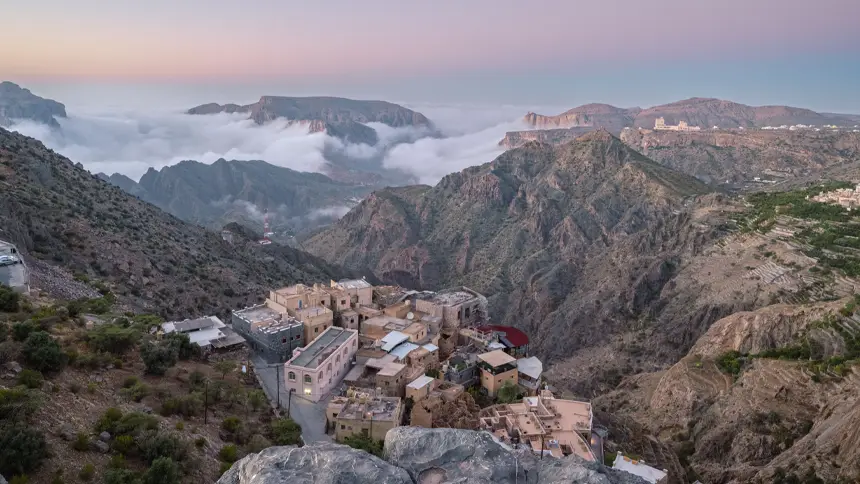
Fujairah, located on the eastern coast of the United Arab Emirates, is not only famous for its coastline but also for its scenic mountains and traditional villages. These villages, nestled among rugged peaks and valleys, offer visitors a glimpse into a slower-paced, culturally rich way of life that has remained largely unchanged for generations. Life here is shaped by nature, community, and longstanding customs, making it a fascinating area to explore for those interested in heritage and authentic experiences.
Daily Life in Mountain Villages
Living in the mountain villages of Fujairah is markedly different from city life. Residents maintain routines closely linked to the natural environment, weather patterns, and agricultural cycles.
Key Aspects of Daily Life
- Agriculture and Farming: Many families grow dates, fruits, and vegetables on terraced fields that climb the hillsides. Irrigation systems using natural streams are common, showing a careful balance between nature and cultivation.
- Animal Husbandry: Goats, sheep, and camels are traditionally raised. They provide milk, meat, and sometimes transportation, helping sustain families without relying heavily on external markets.
- Crafts and Handwork: Women often engage in weaving, pottery, and embroidery. These crafts are passed down through generations and are essential for daily use as well as for preserving cultural identity.
- Community Life: Villagers frequently gather for meals, celebrations, or collective work like harvesting. Social bonds are strong, and decisions often involve community consensus rather than individual preferences.
- Adaptation to Terrain: Homes are usually built with local stone, designed to stay cool in summer and warm in winter. Narrow pathways connect houses, creating a unique layout that blends seamlessly with the landscape.
Traditional Food and Cooking
Mountain cuisine in Fujairah is both simple and flavourful, relying on fresh, locally sourced ingredients.
- Staples: Bread made from wheat or barley, rice, dates, and locally grown vegetables.
- Meat Dishes: Goat and chicken are common, often cooked in clay ovens or slow-cooked over firewood.
- Flavouring: Herbs and spices native to the region, such as cumin, coriander, and saffron, are used sparingly but effectively.
- Community Cooking: Many dishes are prepared during communal events, highlighting the social importance of sharing meals.
These culinary traditions are not just about nutrition; they are an expression of local heritage and identity, reflecting both the mountain climate and available resources.
Cultural Traditions and Festivals
Mountain villages in Fujairah maintain cultural practices that have endured for centuries. These traditions offer insight into the spiritual and social lives of the people.
Important Customs
Mountain villages in Fujairah are rich in customs that reflect their heritage and social values. Hospitality is highly regarded, with visitors often welcomed warmly with coffee and dates, as hosting is considered a matter of pride. Storytelling plays a central role in community life, with oral histories and poetry shared during gatherings to preserve folklore and teach moral lessons to younger generations. Music and dance are integral to celebrations, accompanied by traditional instruments such as the oud and drums during weddings, religious events, and seasonal festivities. Handicrafts like weaving, embroidery, and pottery are also important, serving not only practical purposes but symbolising cultural identity, with each village maintaining unique patterns and techniques.
Festivals and Celebrations
- Harvest Festivals: Villagers celebrate the end of the harvest season with communal meals and music.
- Religious Observances: Ramadan, Eid, and other Islamic events are observed with special prayers, rituals, and feasts.
- Weddings and Life Events: Weddings are elaborate affairs with music, dance, and traditional attire, often lasting several days and involving entire communities.
These events foster strong community bonds and reinforce cultural identity, ensuring traditions continue despite modernisation elsewhere.
Architecture and Village Layout
The mountain villages of Fujairah are characterised by distinct architectural features that respond to environmental conditions and social needs.
- Stone Houses: Homes are made from locally quarried stone, sometimes reinforced with mud or palm fronds. Thick walls provide insulation against extreme temperatures.
- Flat Roofs: Roofs often double as storage spaces or areas for drying crops.
- Courtyards: Central courtyards create private outdoor areas for family gatherings, cooking, and domestic activities.
- Terraced Fields: Agriculture is integrated into village planning. Terraced farming prevents soil erosion and maximizes arable land on steep slopes.
- Village Pathways: Narrow lanes connect houses and public spaces, encouraging walking and close social interaction.
These design choices demonstrate a balance between functionality, community needs, and harmony with nature.
Mountain Sports and Outdoor Activities
Life in Fujairah’s mountains is naturally active, with recreational activities that make full use of the rugged terrain. Hiking and trekking along valleys, ridges, and wadis offer exercise, exploration, and breathtaking views. Rocky cliffs attract both locals and tourists for rock climbing, while nature observation, including birdwatching and plant studies, allows residents to connect with the diverse flora and fauna. Villagers also enjoy traditional games that require agility and strength, passed down through generations. These outdoor pursuits are more than just entertainment—they help maintain physical endurance and strengthen the bond between people and the land.
Education and Knowledge Transmission
Despite the pressures of modernization, mountain communities place a strong emphasis on education, blending formal and informal learning. Small local schools teach standard subjects while introducing children to regional history and cultural traditions. Apprenticeships allow young people to learn farming, crafts, and trading directly from elders, preserving practical knowledge not found in books. Additionally, some villages organize cultural workshops for tourists or students, offering lessons in weaving, pottery, and traditional cooking. This combination of education methods ensures that traditions are passed to future generations while also preparing residents to engage with modern opportunities.
Tourism and Cultural Experiences
In recent years, Fujairah’s mountain villages have become a destination for cultural tourism. Travelers seek authentic experiences that combine natural beauty with living heritage.
Attractions for Visitors
- Heritage Villages: Some villages have open-air museums showcasing traditional homes, tools, and crafts.
- Guided Tours: Locals offer treks, storytelling sessions, and cooking classes.
- Craft Markets: Handmade items like pottery, textiles, and jewelry are sold directly by artisans.
- Festivals: Tourists can attend harvest celebrations, music events, and other cultural gatherings.
Tourism provides income while encouraging the preservation of customs and promoting environmental awareness.
Challenges and Preservation
Mountain communities in Fujairah face several challenges that threaten their traditional ways of life. Younger generations often move to cities in search of work, leaving fewer people to maintain farms and crafts, while erratic rainfall and rising temperatures caused by climate change impact agriculture and water resources. At the same time, modernization and the introduction of new technologies and lifestyles can dilute cultural practices.
To address these issues, community initiatives promote heritage tourism, NGOs and government programs provide support for sustainable farming and craft production, and educational projects teach young residents about their history and traditional skills. These efforts work together to help mountain village life remain vibrant while adapting to modern needs.
Conclusion
Mountain villages in Fujairah offer a remarkable insight into a world where nature, tradition, and community are deeply intertwined. From daily routines and farming to crafts, festivals, and architecture, life here is guided by centuries-old practices. Residents maintain a connection with the land, preserve cultural knowledge, and welcome visitors with warmth and hospitality. For those seeking a break from urban life, these villages provide not only natural beauty but also lessons in sustainability, heritage, and community spirit. By exploring Fujairah’s mountains, one gains a profound appreciation for a simpler, more meaningful way of living.