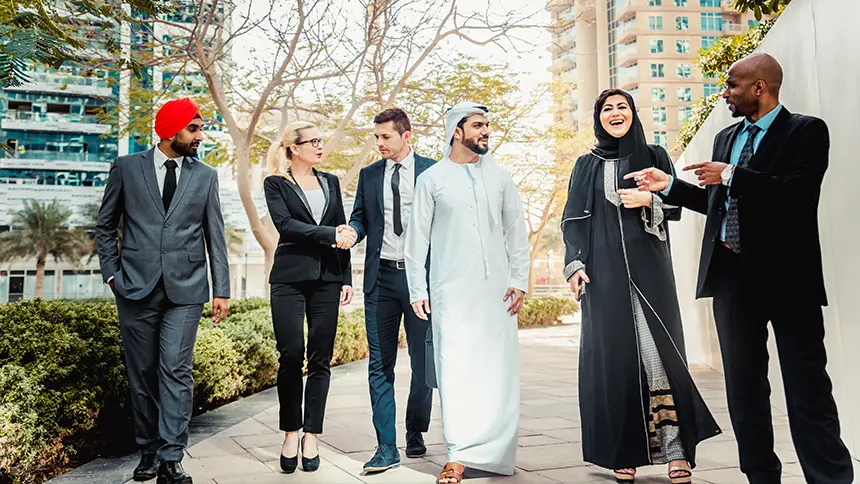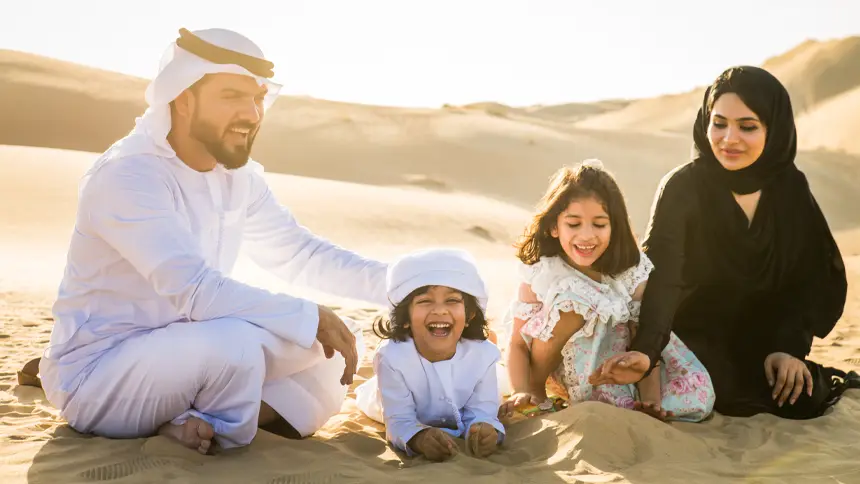
Family values play a vital role in shaping everyday life in Ras Al-Khaimah, one of the culturally rich emirates of the United Arab Emirates. In RAK society, the household is considered the heart of the community, providing emotional support, guidance, and a strong sense of belonging. Daily activities, celebrations, and important decisions often involve close relatives, highlighting the importance of unity and togetherness. Households also play a key role in preserving local culture and traditions by passing customs, language, and heritage from one generation to the next. These practices help maintain the emirate’s unique identity in the modern world. Islamic teachings and Emirati principles strongly influence home life, encouraging respect, kindness, cooperation, and care for the elderly. By promoting strong moral principles and social responsibility, domestic units help build a stable and respectful society. Overall, family values in this northern emirate continue to shape community life and cultural pride.
Family as the Foundation of Society
In Ras Al-Khaimah, the family is seen as the primary social unit and the foundation of society. From an early age, children learn important moral lessons such as respect, responsibility, and cooperation within the home environment. Strong bonds between parents, children, and extended relatives create a close-knit support system that guides individuals throughout their lives. Grandparents, aunts, uncles, and cousins often play an active role in household life, strengthening relationships across generations.
Collective responsibility is an important part of social beliefs in the local community, as members support one another during both happy occasions and difficult times. This mutual support helps maintain emotional stability and social harmony within the community. By encouraging unity, care, and shared duties, familial networks contribute to a strong and balanced society. These deep-rooted traditions continue to shape the region’s culture and promote a sense of belonging and togetherness.
Respect for Elders: A Timeless Value
Respect for elders is a timeless and deeply valued tradition in Ras Al-Khaimah society. Elders are seen as guides and trusted decision-makers within the family, as their life experience and wisdom help shape important choices. Younger members are encouraged to listen carefully to the advice of parents and grandparents, as their guidance is believed to lead to better understanding and responsible behaviour. Elders also play a key role in teaching morals, manners, and cultural traditions to the younger generation.
Through stories, daily interactions, and shared experiences, they pass on ethical standards such as honesty, patience, and respect. This strong connection between generations helps preserve the area’s cultural identity and social harmony. By honouring the elderly and learning from their experiences, relatives build mutual respect and unity. These guiding principles continue to strengthen home life and maintain a balanced and respectful society in the emirate.
Traditions Passed Through Generations
In Ras Al-Khaimah, traditions passed through generations play an important role in strengthening family bonds and preserving cultural identity. Many cultural practices are shared within households, allowing children to learn customs, social norms, and respectful behaviour from an early age. Religious festivals such as Eid are especially significant, as relatives come together to pray, share meals, exchange gifts, and celebrate unity and gratitude. These occasions help reinforce togetherness and respect for religious beliefs.
Storytelling is another valued tradition, where elders share stories about the past, teaching lessons about courage, kindness, and community life. Through customs, traditional celebrations, and daily practices, heritage is carefully preserved and passed on to younger generations. This helps maintain a strong connection to local history while adapting to modern life. By keeping traditions alive, family units continue to protect cultural ideals and promote pride in their rich Emirati heritage.
Community Spirit and Social Harmony
Community spirit and social harmony are strongly influenced by family values in the emirate’s society. Households play an active role in building unity by encouraging cooperation, respect, and positive relationships within the community. Hospitality and generosity are important social qualities, and welcoming guests with kindness is considered a sign of good character. Relatives often share food, time, and support, which helps create a friendly and caring social environment.
During celebrations such as weddings, festivals, and national events, extended relatives come together to participate in and support one another. In difficult times, this sense of togetherness becomes even more important, as neighbours and loved ones offer help, comfort, and encouragement. This strong support system helps individuals feel safe and valued within society. By promoting kindness, generosity, and shared responsibility, family-based networks contribute to social harmony and strengthen community life in this region, making it a peaceful and united society.
Modern Life and Changing Family Roles
Modern life in Ras Al-Khaimah has brought changes to family roles, yet traditional values remain important. Households today aim to balance long-held traditions with modern lifestyles, including new forms of education, technology, and work opportunities. Younger generations are encouraged to pursue education and career development, which helps them contribute positively to society and the economy.
At the same time, parents and elders continue to guide children in maintaining respect, discipline, and cultural identity. Senior members play an important role in helping young people make responsible choices while adapting to a fast-changing world. Although lifestyles are becoming more modern, guidance from elders remains essential in shaping good behaviour and strong moral standards. This balance between tradition and progress allows the society to grow while protecting its cultural roots. As a result, family-centred values continue to support social stability and personal development in the modern emirate.
Conclusion
Family values remain the greatest strength of Ras Al-Khaimah society, shaping social behaviour and cultural identity. Households provide love, guidance, and support, helping individuals develop strong morals and a sense of responsibility. By passing core principles such as respect, kindness, unity, and cooperation to future generations, domestic groups ensure that cultural traditions are not lost in a rapidly changing world. These shared beliefs help young people stay connected to their roots while adapting to modern life. The home unit also serves as a source of stability, offering emotional security and a strong sense of belonging. In the emirate, family identity plays an important role in building confident individuals and a harmonious community. Preserving these cultural ideals helps maintain social balance and strengthens relationships within society. As this region continues to grow and modernise, strong family values will remain essential in shaping a respectful, united, and culturally proud future.