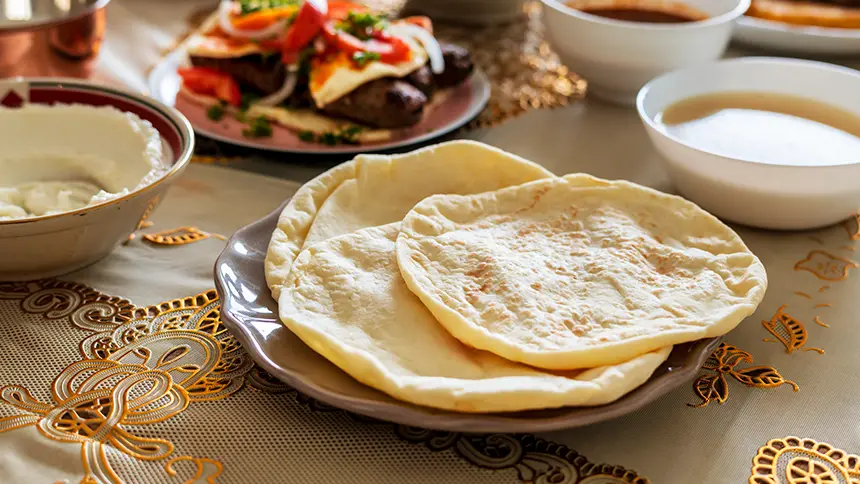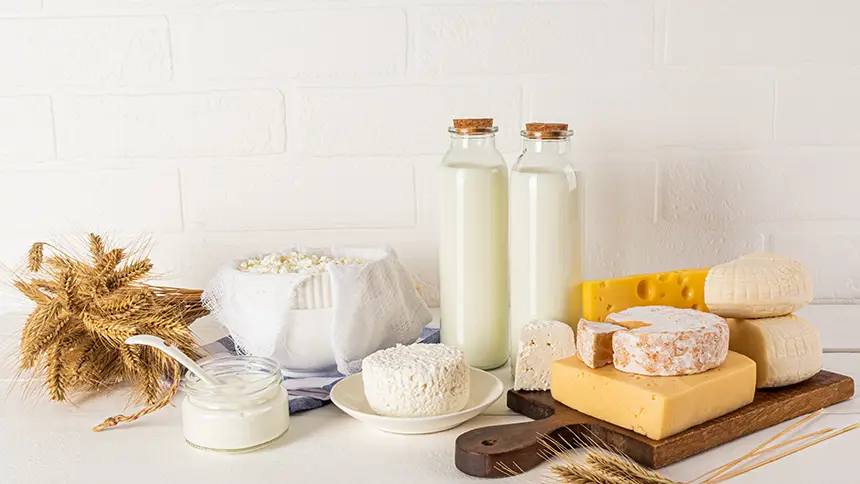
In the United Arab Emirates, dairy products have always played an important role in the local diet and culture. Long before modern stores existed, Emirati families relied on milk from their animals for daily nutrition. Camel milk is the most famous because camels can survive in the hot desert and still produce milk even under harsh conditions. It is rich in vitamins and was often called “white gold” by the Bedouins. However, Emiratis also used milk from cows and goats to make other heritage milk-based foods like laban, ghee, and cheese. These products were not only healthy but could also be stored for long periods, which was useful in desert life. Today, people are once again showing interest in these authentic Emirati dairy items as part of the UAE’s effort to preserve its heritage and promote natural, locally made food.
Historical Background
In the early days of the United Arab Emirates, before the discovery of oil and modern technology, people lived simple lives in desert areas and small villages. Dairy products were an important part of their diet because they provided energy and nutrients needed to survive in the hot climate. The Bedouins, who were nomadic desert people, depended mainly on their animals camels, goats, and cows for milk. Each type of milk had its own special value: camel milk was rich and long-lasting, goat milk was easier to digest, and cow milk was creamy and filling. Before modern refrigeration, people used clever methods to keep dairy products fresh. They would ferment milk to make laban or yogurt, churn it into butter, or boil it to create ghee (clarified butter) that could last for months.
Dried yogurt balls, known as jameed, were also made for long journeys. Livestock were not just food sources; they were symbols of wealth and survival. Families cared deeply for their herds, as these animals provided milk, meat, and even trade goods. Dairy products were often shared with guests, showing generosity and hospitality, which are key values in Emirati culture. These age-old food practices reflect how the early people of the UAE made the most of their environment and developed smart ways to preserve food long before modern conveniences arrived. Today, these methods are remembered as an important part of the nation’s cultural and culinary history.
Popular Traditional Dairy Products
Laban (Buttermilk Drink)
Laban is one of the most popular traditional dairy drinks in the UAE. It is made by fermenting milk, usually from cows, goats, or camels, until it becomes slightly sour and creamy. People often drink it chilled, especially during hot summer days, as it helps cool the body and aids digestion. In the past, Emirati families made laban at home and stored it in clay pots. Today, it’s sold everywhere, but homemade laban is still loved for its rich flavor. It’s often enjoyed with rice dishes or dates.
Raib (Fermented Yogurt Drink)
Raib is another dairy favorite similar to laban but thicker and more tangy. It’s made by letting milk ferment naturally until it turns into a smooth, yogurt-like drink. Many Emiratis enjoy raib with breakfast or light meals because it’s refreshing and easy to digest. It provides calcium and good bacteria that support a healthy stomach. Unlike laban, raib is less watery and has a creamier texture, making it perfect to pair with local meals like bread or rice dishes.
Samn (Clarified Butter or Ghee)
Samn, known as clarified butter, has been used in Emirati cooking for centuries. It’s made by slowly heating butter until the water evaporates and the milk solids are removed, leaving behind pure golden fat. Samn gives food a rich aroma and deep flavor. It is used in famous Emirati dishes like harees, balaleet, and khabeesa. Because it can last for months without spoiling, samn was very useful before refrigerators were common.
Jameed (Dried Yogurt Balls)
Jameed is a special heritage dairy product made by drying thick yogurt into hard, round balls. To prepare it, milk is fermented, strained, and salted before being shaped and left to dry under the sun. This process removes moisture and preserves the yogurt for long periods. In the past, Bedouins carried jameed while traveling across the desert because it was light and didn’t spoil. When needed, they soaked it in water to make a creamy sauce for dishes like stews or rice meals.
Areesh (Soft White Cheese)
Areesh is a soft, white cheese made from curdled milk. It has a mild, fresh taste and crumbly texture. Traditionally, it was made at home using goat or cow milk. The curds were strained through cloth and lightly salted. Areesh is often served for breakfast with bread, olives, or dates, and sometimes mixed with herbs for extra flavor. It’s low in fat and rich in calcium, making it both healthy and delicious. Today, areesh is still a favorite in Emirati homes for its simple, classic dairy flavor.
Cultural and Nutritional Importance
In Emirati culture, dairy products are more than just food—they are symbols of hospitality, care, and tradition. Serving milk or laban to guests is a long-standing custom that shows respect and generosity. In the past, Bedouins welcomed travelers with a bowl of fresh milk or laban as a sign of friendship and kindness. These traditions continue today, especially during family gatherings and celebrations. Dairy also plays a role in religious and cultural events, showing the deep connection between food and community in the UAE.
From a health point of view, traditional dairy items like laban, raib, and areesh are full of nutrients. They contain calcium for strong bones, protein for energy, and probiotics that support good digestion. Fermented dairy drinks help cool the body and keep people hydrated in the desert’s hot climate. Unlike processed products, heritage milk foods are made naturally without artificial flavors or preservatives, making them healthier.
In recent years, there has been a modern revival of these authentic milk-based products in local markets. Many Emirati farms and small businesses now produce laban, ghee, and cheese using ancestral recipes but with improved hygiene and packaging. Local brands are gaining popularity among young people who want to enjoy traditional Emirati flavors. Schools and food festivals also promote these items as part of the UAE’s heritage and healthy living. This revival keeps old traditions alive while connecting the past with modern life, ensuring these delicious and meaningful foods are never forgotten.
Modern Adaptations and Innovations
In today’s United Arab Emirates, traditional dairy products are being rediscovered in creative and modern ways. Many local restaurants and cafes now include old-fashioned recipes like laban, areesh, and samn in their menus but with a new twist. For example, laban is served as a smoothie base, and areesh cheese is used in salads and sandwiches. Local brands have also started producing packaged versions of these dairy items, making them more available to people across the country. This not only supports small Emirati farms but also helps preserve cultural traditions through modern business.
Sustainable dairy farming has also become an important part of the UAE’s innovation in food production. Farmers now use eco-friendly methods such as recycling water, improving animal care, and using solar energy to run their farms. These efforts help reduce waste and protect the environment while maintaining high-quality milk production.
Another exciting change is the fusion of heritage milk dishes with modern Emirati cuisine. Chefs are mixing old flavors with new ingredients to create unique dishes like laban-based desserts, date-flavored yogurt, or ghee-infused pastries. These creative combinations appeal to both locals and tourists who want to experience authentic Emirati tastes in a fresh way. By combining heritage with innovation, the UAE continues to celebrate its food traditions while adapting to the modern world. This shows how ancient recipes can remain alive, inspiring future generations to value their roots while embracing change.
Conclusion
The United Arab Emirates has a rich and diverse traditional dairy heritage that reflects its deep cultural roots and connection to nature. From refreshing drinks like laban and raib to flavorful ghee and soft cheese, these time-honored foods have long been a part of Emirati life. They provided nourishment, comfort, and a sense of community for families living in the desert. Today, as the country continues to modernize, these age-old dairy traditions remain a proud symbol of national identity. Preserving and promoting such heritage food practices is important not only for keeping history alive but also for encouraging healthy, natural eating habits. By supporting local farmers, learning ancestral preparation methods, and including these foods in modern cuisine, the UAE can ensure that its traditional dairy legacy continues to thrive.