When people think of Dubai, they often imagine tall skyscrapers, luxury malls, and modern attractions. But beyond this modern image, Dubai has a rich food culture that reflects life in the desert, the influence of trade along the Arabian Gulf, and the warm hospitality of the Arabian people. This cuisine is more than just delicious. It has history, tradition, and community. From slow-cooked dishes made in clay pots to sweet treats shared with guests for generations, every recipe tells a story. To truly experience Dubai, you should not only explore its famous landmarks but also taste its traditional flavors.
A Glimpse into Emirati Food Culture
Emirati food has been shaped for hundreds of years by the desert, the sea, and trade routes that linked the Arabian Peninsula to other parts of the world. In the desert, where food was scarce, people relied on dates, camel milk, and meat as their primary sources of energy and sustenance. On the coast, fishing was very important, and the Arabian Gulf provided plenty of fresh fish and seafood. Trade with countries like India, Persia, and East Africa also brought spices such as saffron, turmeric, cinnamon, and cardamom, which were mixed with local ingredients to create the rich flavors in the food culture. But more than just ingredients, the real heart of Emirati dining is hospitality. Serving food is a way to show respect, kindness, and generosity. Making dining an important part of life in the UAE.
Popular Traditional Emirati Dishes
Al Harees is one of the oldest and most cherished dishes in Emirati cuisine, dating back centuries. Traditionally prepared during Ramadan and weddings, it symbolizes patience and generosity, as it requires long hours of slow cooking. Made with wheat and tender meat such as chicken or lamb, it is cooked in clay pots until it develops a smooth, creamy porridge-like consistency. Its comforting simplicity and rich texture make it a festive favorite for Arabian families.
Al Machboos (Kabsa) is another iconic dish, deeply influenced by Arabian and Persian cooking traditions brought through historic trade routes. This fragrant rice dish is flavored with saffron, dried limes (loomi), and an array of spices, usually paired with chicken, lamb, or fish. As the centerpiece of family gatherings, Machboos embodies the spirit of togetherness, making it one of the most beloved meals in Arabian households.
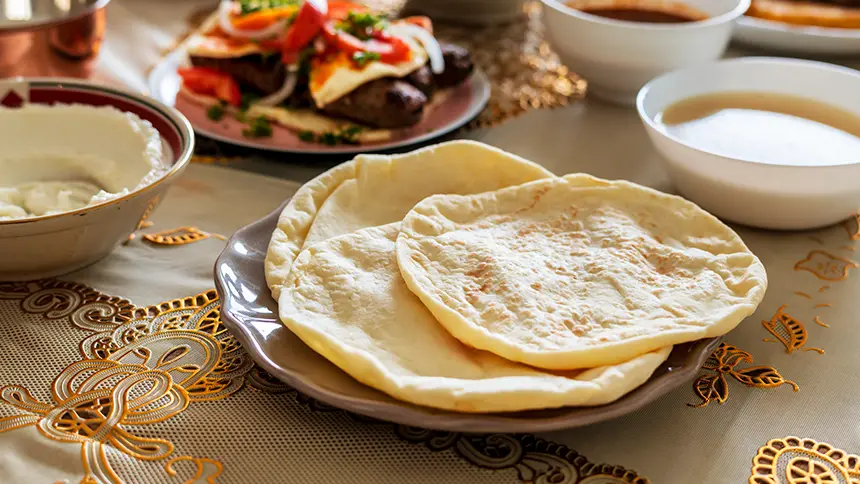
Shawarma an Emirati style, though originally a Middle Eastern specialty, has become a much-loved local staple in Dubai. Prepared with thinly sliced marinated meat wrapped in soft Arabic bread, it is enhanced with garlic sauce, pickles, and sometimes fries. Known for its quick preparation and mouthwatering taste, shawarma is a street food favorite for locals and visitors alike.
Luqaimat is a traditional sweet with roots in Bedouin hospitality. These golden fried dumplings are crispy on the outside yet soft and airy on the inside, drizzled generously with date syrup or honey. Served especially during Ramadan, Luqaimat is not only a delicious dessert but also a symbol of warmth and generosity towards guests.
Balaleet showcases the fusion of Emirati and Indian influences, combining vermicelli noodles with sugar, cardamom, and saffron for a sweet base, topped unexpectedly with a savory omelet. This unique sweet-and-salty combination is often enjoyed at breakfast, surprising first-time tasters with its balance of flavors.
Samak Mashwi (Grilled Fish) reflects the deep connection of coastal Emiratis to the sea, where fishing was once a vital livelihood. Freshly caught fish is marinated with Emirati spices and grilled over charcoal to create a smoky, flavorful dish. It remains a staple that celebrates Dubai’s maritime heritage and love for seafood.
Camel Meat Delicacies hold a special place in Traditional Dishes, as camels were essential to survival in the desert—providing transport, milk, and nourishment. Traditionally reserved for grand feasts and special occasions, camel meat is today enjoyed in stews, kebabs, and even biryanis. Its rarity and cultural significance make it a must-try for those seeking an authentic taste of Bedouin tradition.
Traditional Emirati Beverages
Beverages hold a special place in Emirati hospitality, and no meal is considered complete without a refreshing or soothing drink.
Arabic Coffee (Gahwa) is one of the most iconic beverages of the region. Served in small cups known as finjan, it is brewed with lightly roasted coffee beans, cardamom, and sometimes saffron. Always accompanied by dates, Gahwa is more than just a drink; it is a symbol of generosity and a welcoming gesture to guests.
Karak Chai, a strong, sweet tea introduced through South Asian influence, has become a daily favorite in Dubai. Prepared with black tea, milk, sugar, and spices such as cardamom or cinnamon, it is a comforting beverage enjoyed at roadside cafés, in homes, and even as a morning ritual across the city.
Jallab is a refreshing traditional drink made from dates, grape molasses, and rose water. It is often served over crushed ice and topped with pine nuts and raisins, making it the perfect choice to cool down during Dubai’s hot summer days.
Camel Milk, once a vital source of nourishment for Bedouins in the desert, remains deeply rooted in Emirati culture. Rich in nutrients, it is now enjoyed not only as fresh milk but also in modern variations such as chocolate, lattes, and even ice cream, offering visitors a unique blend of tradition and innovation.
The Traditional Emirati Dining Experience
The traditional dining experience reflects the values of hospitality, unity, and respect. Meals were historically enjoyed while sitting on the floor around a large communal dish, creating a humble yet intimate setting. Guests are always served first, as generosity is a cornerstone of the culture, and refusing food is considered impolite. Food is typically eaten by hand, using the right hand only, from a shared platter, symbolizing equality and togetherness among all those at the table. In modern Dubai, fine-dining restaurants often present traditional dishes in a contemporary style, yet many families continue to embrace the traditional way of dining at home, keeping alive the spirit of warmth and community that defines Emirati hospitality.
Conclusion
Exploring traditional Emirati food opens the door to a world of flavors shaped by heritage, resourcefulness, and a deep sense of community. The dishes and beverages are not only delicious but also serve as living traditions passed down through generations. Whether it’s the comfort of a slow-cooked stew, the sweetness of golden dumplings, or the ritual of sipping Gahwa, each experience brings you closer to the values of generosity and togetherness that define the culture. In a city celebrated for its modern achievements, food remains a meaningful way to connect with the UAE’s roots and understand its enduring spirit. So, when you visit Dubai, don’t just admire its skyline—make sure to taste its timeless flavors and experience the warmth of true Arabian hospitality.