Food is a strong part of culture, history, and daily life. In Fujairah, traditional cooking methods are still respected and practised today. Even with modern kitchens and new appliances, many families continue to prepare meals the old way. These methods connect people to their ancestors and reflect the emirate’s natural environment, coastal life, and mountain traditions. Traditional food preparation in Fujairah is not only about taste but also about patience, community, and respect for nature.
The Cultural Importance of Traditional Cooking
These methods in Fujairah carry deep cultural meaning, preserving stories and experiences from earlier generations. These practices developed naturally, shaped by the emirate’s resources, climate, and way of life. Food preparation has always connected families and encouraged shared meals during social gatherings. Knowledge passed from elderly to younger members helped preserve important skills and values. While once essential for survival, traditional cooking is now a symbol of identity and pride, with many dishes still prepared during festivals, weddings, and religious occasions.
Cooking Over Open Fire
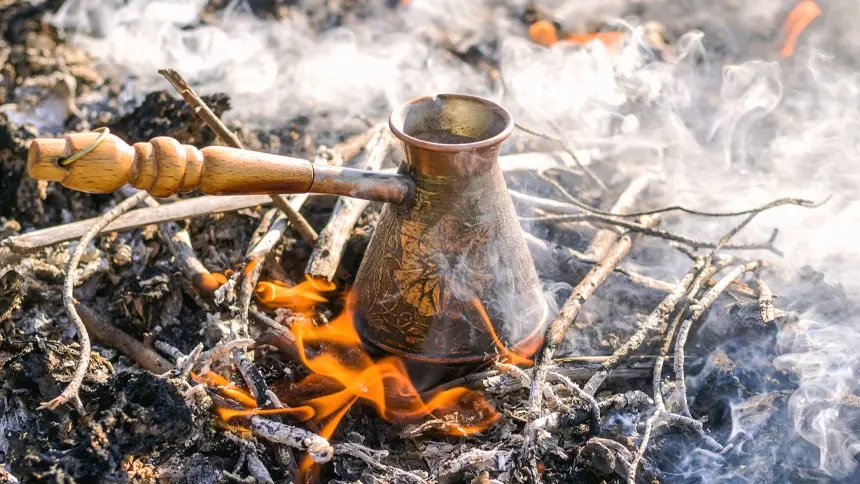
One of the oldest cooking methods in Fujairah is food preparation over an open fire. This method uses firewood, charcoal, or dried palm branches. Food is placed directly over flames or cooked slowly nearby.
How It Is Used
It is still common in rural areas, mountains, and desert camps. It is also practised during outdoor gatherings and traditional celebrations.
Common foods prepared
- Flatbreads
- Meat dishes
- Fish wrapped in leaves
- Tea and coffee
Why It Is Still Popular
This method remains popular for its rich smoky flavour and practicality, as it requires no electricity and works well outdoors. It is suited to open spaces and also creates a social atmosphere, bringing people together to talk, share stories, and enjoy the meal as it cooks.
Slow Cooking in Clay Pots
Clay pots have been used in Fujairah for many generations. These pots are made from natural earth materials and placed over a fire or inside ovens.
Cooking Process
Clay containers heat slowly and evenly. This allows food to cook gently, keeping moisture and natural taste.
Foods commonly prepared in clay pots
- Stews
- Rice meals
- Meat with spices
- Vegetable mixes
Benefits of Clay Pot Cooking
It is popular in Fujairah for enhancing flavour, retaining moisture, and keeping food warm longer. They use less fuel and naturally add small amounts of minerals to meals. Many families continue to use clay pots for special occasions and festive dishes due to their rich results and traditional value.
Underground Cooking Method
It is an ancient technique used mainly for meat. A pit is dug in the ground, filled with hot stones or charcoal, and covered with sand.
Steps Involved
- Meat is seasoned with spices
- Food is wrapped in leaves or cloth
- It is placed inside the pit.
- The hole is sealed
- Meal making takes several hours.
Occasions for Use
This method is mostly used during significant gatherings and celebrations. It is a common practice at weddings, large family events, and community festivities, where meals need to serve many people at once. Its use during these occasions highlights its role in bringing people together and marking special moments.
Reasons It Remains Valued
This food preparation method is cherished for producing tender, flavourful dishes and allowing large quantities to be prepared for gatherings. It encourages teamwork and symbolises unity, while the long cooking time adds care and anticipation, making the meal feel especially meaningful.
Stone Cooking Techniques
It uses heated rocks to prepare food. Stones are placed on a fire until very hot, then used to cook meat, bread, or fish.
Common Uses
- Grilling seafood
- Baking flatbread
- Heating liquids
This technique offers several advantages, including using a natural heat source, requiring no metal tools, and even cooking. It was especially useful for fishermen and travellers who had limited equipment.
Traditional Bread Baking Methods
Flatbread on Hot Surfaces
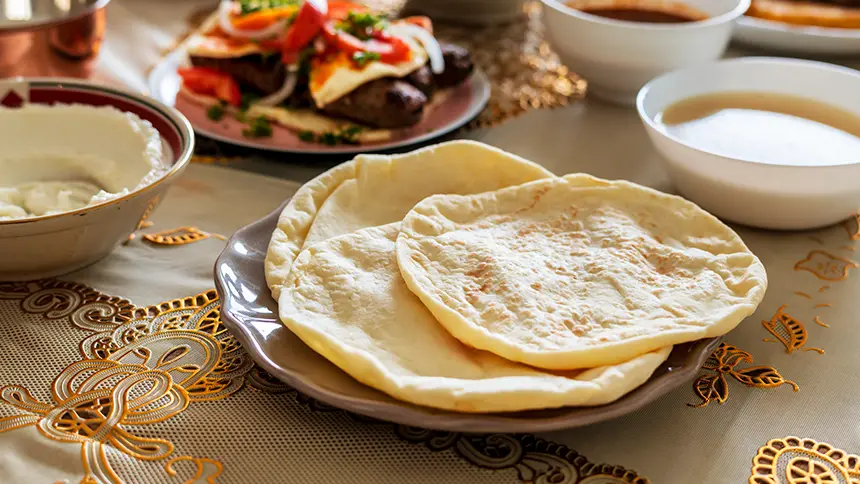
Bread is a staple in Fujairah’s cuisine, with traditional flatbreads still made using time-honoured methods. The dough, made from flour, water, and salt, is flattened by hand and cooked on hot metal plates or stones for even heat. It is carefully turned during cooking to create soft, flavourful bread.
Clay Oven Baking
Some households in Fujairah still use clay ovens to bake bread, which retain heat well and produce warm, soft loaves with a unique texture and aroma. Traditional bread-making continues because of its simplicity, fresh taste, cultural importance, and practicality. Bread made this way is often enjoyed with honey, dates, or savoury dishes, remaining a staple in daily meals and celebrations.
Drying and Preservation Methods
Sun Drying
Before refrigerators, food preservation was essential. Sun drying is still practised in Fujairah, especially for fish and dates.
How it works:
- Food is cleaned
- Placed under sunlight
- Turned regularly
- Stored in dry containers
Smoked Preservation
Smoking is another traditional method, mainly used for seafood.
Benefits
- Longer shelf life
- Unique flavour
- Reduced waste
These methods help maintain food supplies and reduce dependence on modern storage.
Cooking with Palm-Based Tools
Palm trees are an important part of Fujairah’s heritage, and their leaves play a significant role in traditional meal making. They are used for wrapping fish, covering bread dough, and protecting food during pit cooking, helping to preserve moisture and enhance flavour. Palm leaves are not only readily available but also eco-friendly and sustainable, imparting a mild, pleasant aroma to the dishes. Using these natural tools reflects Fujairah’s traditional approach to food preparation, which emphasises resourcefulness, simplicity, and harmony with the environment.
Traditional Spice Grinding Methods
Many households in Fujairah continue to grind spices by hand using stone mortars rather than relying on electric grinders. Commonly ground spices include cardamom, pepper, and various dried herbs, allowing cooks to control texture and blend more precisely. Although hand grinding requires effort and patience, it produces stronger aromas, richer flavours, and better texture compared to pre-ground alternatives. This method also helps maintain a connection to tradition, preserving the knowledge and techniques that have been passed down through generations.
Cooking in Large Shared Pots
Large metal or clay pots are used for meal making by many people. These pots are placed over fire and stirred slowly.
Used during:
- Religious events
- Family gatherings
- Public celebrations
Cooking together in Fujairah encourages cooperation and shared responsibility. It also strengthens bonds and keeps community traditions alive.
Influence of Geography on Cooking Methods
Fujairah’s mountains, coastline, and climate have shaped its traditional cooking. Stone and clay from the mountains enabled slow, even meal making, while fresh fish from the coast encouraged grilling, drying, and smoking. The warm climate supported sun drying, helping preserve food naturally and efficiently. Over time, people developed methods that used resources wisely and minimised waste.
Modern Life and Traditional Practices
Despite modern kitchens, traditional food preparation remains common in Fujairah. Families continue old methods to preserve cultural identity and memories, while health awareness and tourism boost interest in natural, authentic food. Passed-down recipes keep family traditions alive, and some restaurants showcase these techniques to educate visitors and preserve local heritage.
Conclusion
These methods in Fujairah are more than food preparation techniques. They represent history, environment, and community values. Open fire cooking, clay pots, underground pits, stone tools, and sun drying all show how people adapted to their surroundings. These practices create deep flavours and strong family bonds. Even today, many residents continue to use these methods with pride. By keeping these traditions alive, Fujairah protects its food heritage and passes meaningful skills to future generations. Traditional cooking remains a living part of daily life, reminding people of their roots in a simple and beautiful way.