In the heart of the Arabian Peninsula, the camel has always been more than just an animal; it is a symbol of survival, pride, and tradition. For centuries, camel meat has played an important role in Emirati culture, not only as a source of nourishment but also as a symbol of hospitality and celebration. In a region where harsh desert conditions shaped daily life, camels provided milk, transport, and meat, sustaining generations before the discovery of oil transformed the country.
Today, while modern lifestyles have changed how people eat and celebrate, this delicacy continues to hold a special place in traditional Emirati feasts. It represents a deep respect for heritage and a connection to the past, something the UAE values even as it embraces the future.
Historical Importance of Camel Meat
Before the rise of modern cities, life in the UAE centered around the desert, where the Bedouins relied on camels for transport, trade, and survival. Often called the “ship of the desert,” the camel provided food, milk, leather, and tools, making it essential to daily life. The animal’s flesh, a vital source of protein during scarcity, was reserved for special occasions like weddings and religious gatherings. Owning camels also symbolized wealth and generosity, and serving their meat during feasts reflected hospitality, honor, and community spirit, values deeply rooted in Emirati tradition.
Cultural Significance in Feasts
A Dish of Honor
In traditional Emirati feasts, camel meat is regarded as a dish of honor and a symbol of respect for guests. Its presence at weddings, national celebrations, and family gatherings reflects generosity and abundance. Whether served during joyous weddings, the sacred festival of Eid al-Adha, or national events that celebrate heritage, these dishes remind people of their cultural roots and the enduring spirit of Emirati hospitality.
Unity and Sharing
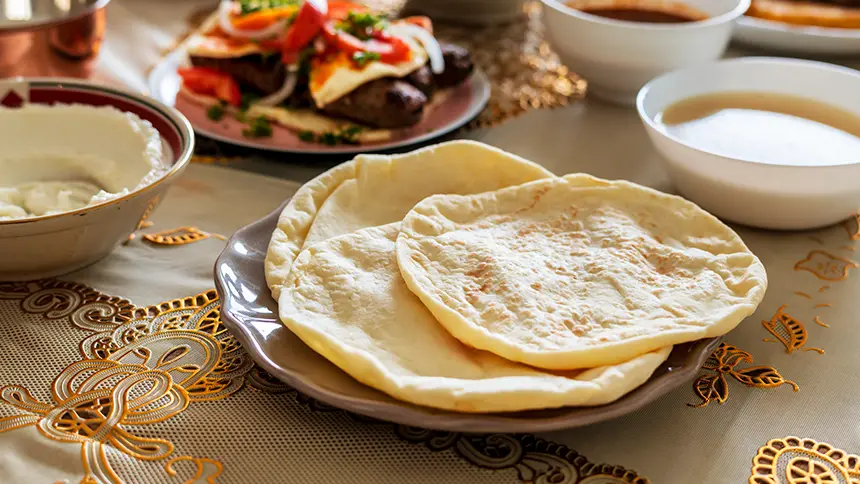
In Emirati culture, feasting is a shared experience that brings people together. Traditionally, families and guests sit on the floor around a large platter, enjoying the tender dish cooked with rice and fragrant spices. This communal way of eating reflects deep-rooted values of respect for the elderly, gratitude for blessings, and the strengthening of family and community bonds, making every meal a celebration of unity and togetherness.
Traditional Dishes
This delicacy is versatile and can be prepared in many ways depending on the occasion. Traditional Emirati cuisine focuses on rich flavors, slow cooking, and the balance of spices like cardamom, saffron, and cloves.
Popular Dishes
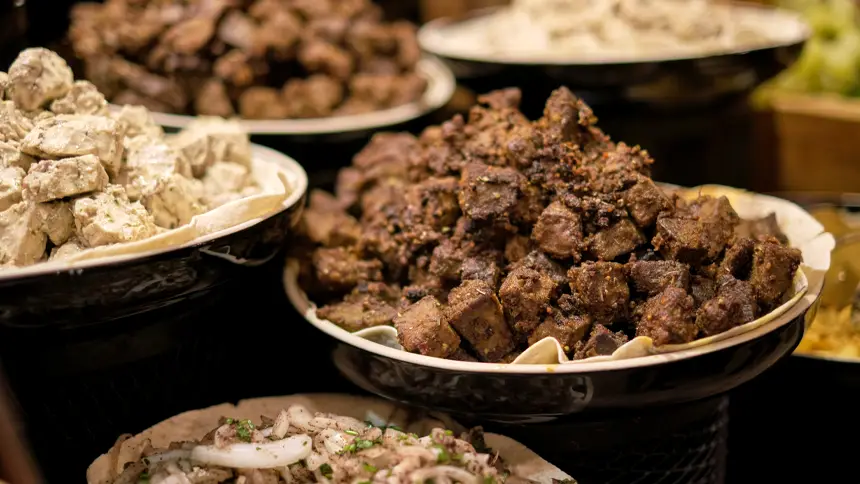
- Khabeesa Lahm Al-Jamal (Camel Meat with Rice): A grand dish where the flesh is slow-cooked with rice, onions, and spices. Often served during large gatherings.
- Camel Majboos: A spiced rice dish cooked with tomatoes, onions, and dried limes. The meat is tender, and the flavors are deep and fragrant.
- Camel Stew: Cooked slowly with vegetables, herbs, and aromatic spices, creating a hearty and comforting meal.
- Camel Burgers: A modern take on traditional ingredients, these burgers are now popular in restaurants across the UAE, blending heritage with innovation.
- Milk Dishes: Though not flesh, milk is often served alongside meals. It adds a cooling balance and reflects the animal’s complete role in Emirati life.
Nutritional Value
The delicacy is not just culturally significant, it is also healthy and nutritious. In recent years, it has gained attention for its potential as a sustainable and protein-rich alternative to other red meats.
Health Benefits
- High in Protein: Supports muscle growth and repair.
- Low in Fat: Contains less fat than beef or lamb.
- Rich in Iron and Vitamin B: It helps prevent anemia and boosts energy levels.
- Contains Omega Fatty Acids: Beneficial for heart health.
- Easily Digestible: Due to its lean texture and lower cholesterol content.
Sustainable Protein Source
Camels are well adapted to desert life and require less water and feed than cattle. This makes camel farming more sustainable in arid regions. As global awareness about climate and food security grows, this protein source is being viewed as an environmentally responsible option.
Preparation and Cooking Techniques
Traditional Emirati cooking methods aim to preserve flavor and tenderness, especially since the meat can be tough if not cooked properly.
Traditional Techniques
- Slow Cooking: Meat is simmered for hours to achieve tenderness.
- Roasting: Whole animals or specific cuts are roasted over open flames during large celebrations.
- Spicing: Common seasonings include turmeric, cinnamon, cardamom, cloves, black pepper, and saffron.
- Marinating: Helps soften the meat and enhance its natural taste.
Modern Adaptations
With the rise of contemporary Emirati restaurants, chefs are experimenting with new ways to use this heritage ingredient, from gourmet steaks to kebabs and sliders. These innovations keep the tradition alive while making it appealing to modern palates.
Camel Meat in Today’s UAE
In today’s UAE, this traditional dish is making a strong comeback, blending tradition with modern taste. Once a symbol of heritage, it now features fine dining and global cuisine, with upscale restaurants in Dubai and Abu Dhabi offering creative versions of classic dishes. Events like the Dubai Food Festival highlight camel-based recipes, attracting tourists eager for authentic Emirati experiences. Supported by government initiatives, food heritage programs, and culinary schools, efforts continue to preserve and pass down traditional recipes to future generations.
Ethical and Economic Aspects
Camel farming in the UAE has evolved into a well-organized industry that prioritizes ethical practices, animal welfare, and sustainable breeding to ensure high-quality meat. Beyond its cultural significance, the sector supports local farmers, food producers, and tourism-related activities, helping preserve traditional livelihoods while contributing to the nation’s growing modern economy.
Symbolism and Social Values
Beyond food, camel meat represents values that are central to Emirati identity.
- Hospitality: Serving these dishes to guests expresses generosity and respect.
- Resilience: Reflects on how ancestors survived and thrived in the desert.
- Cultural pride: Keeps traditions alive in a rapidly modernizing society.
During festivals or weddings, the delicacy becomes a reminder of community roots and shared history, connecting the present generation with their ancestors.
Global Interest in Emirati Camel Cuisine
This delicacy is gaining global attention as chefs and food enthusiasts discover its unique flavor, a blend of beef and lamb with a hint of sweetness. While countries like Saudi Arabia, Oman, and parts of Africa and Asia have long enjoyed camel dishes, the UAE’s focus on culinary creativity is introducing them to new international audiences. With growing interest in Emirati cuisine, camel-based products such as meat, milk, and even skincare items are finding export potential, positioning the UAE as both a preserver of tradition and a leader in food innovation.
Conclusion
This Emirati delicacy is far more than a dish on the Emirati table; it is a living story of endurance, generosity, and identity. From feeding nomadic tribes in the desert to featuring in elegant city restaurants today, it reflects how deeply food can connect past and present.
Each feast that includes camel meat celebrates not just flavor, but the values of hospitality, unity, and gratitude that define Emirati life. As modern influences blend with age-old customs, the camel remains a proud symbol of cultural continuity, reminding everyone that true heritage is not forgotten but shared, one meal at a time.