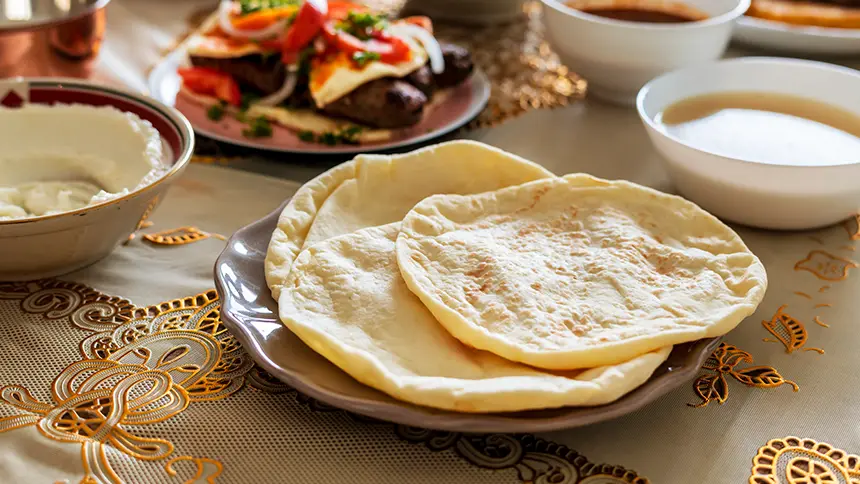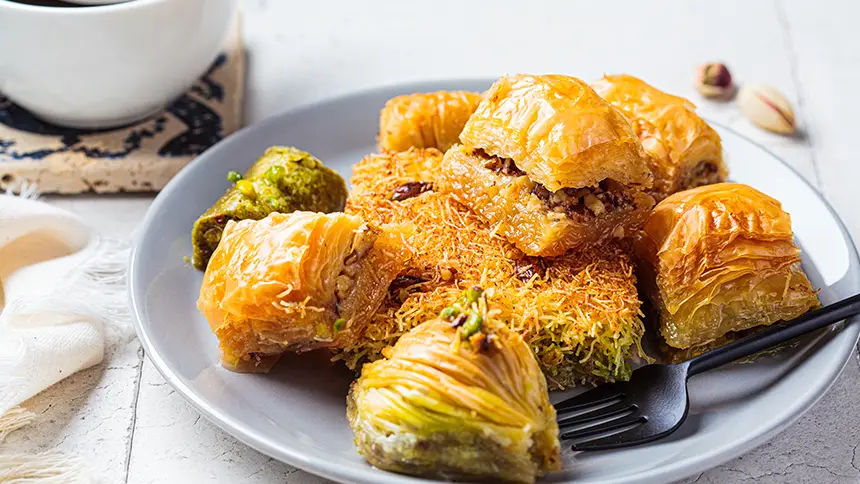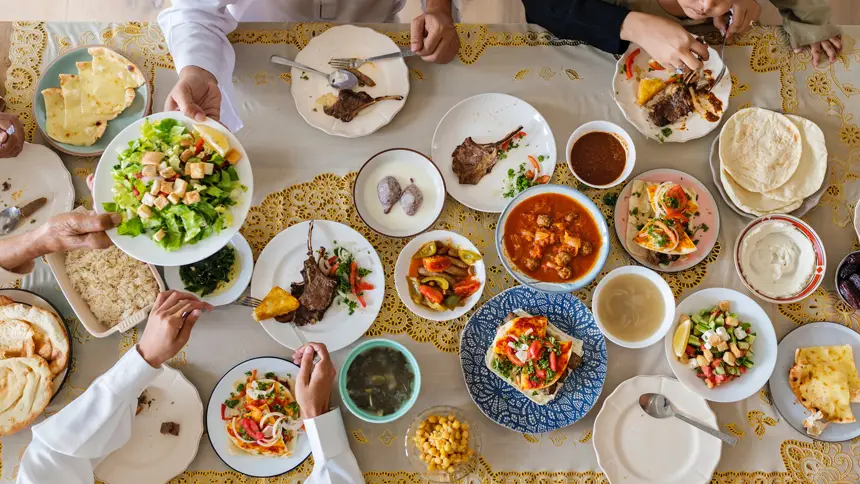
The United Arab Emirates is home to people from more than 200 nationalities, making it one of the most multicultural countries in the world. This cultural diversity is clearly reflected in the Food scenes of Abu Dhabi and Dubai, which are famous for offering cuisines from nearly every continent. Alongside traditional Emirati dishes such as Machboos and Harees, people can enjoy Indian, Chinese, Lebanese, Italian, and African dishes in restaurants, cafés, and street markets. Both cities are known for their modern dining culture, luxury hotels, and international chefs, which attract millions of tourists each year. Food festivals and global dining events further highlight their rich culinary diversity. The multicultural Food scene in Abu Dhabi and Dubai is not only about taste but also about learning different cultures through meals. These cities truly represent a world of flavours in one place.
A Blend of Cultures on Every Plate
The UAE capital and Dubai offer a true blend of cultures on every plate, making them two of the most exciting dining destinations in the world. In these cities, people can enjoy cuisines from Asia, Europe, Africa, and the Middle East all in one place. Popular Food includes Indian and Pakistani curries, Lebanese grills, Italian pasta, Chinese noodles, and African stews. Many restaurants also serve fusion dishes that combine Eastern spices with Western cooking styles, creating new and unique flavours. This wide variety of cuisine reflects the multicultural population, as residents come from more than 200 nationalities. Shopping malls, dining courts, and local markets make international meals easily available to everyone. Tourism also plays an important role, as millions of visitors come each year to explore global culinary experiences. The food culture in these cities shows how different traditions can come together in harmony through taste.
Traditional Emirati Cuisine with a Modern Touch
Traditional Emirati cuisine remains at the heart of the dining culture in the UAE capital and Dubai, while also adapting to modern trends. Popular local foods such as Machboos, Harees, and Luqaimat are still widely enjoyed by both residents and tourists. These dishes are prepared using traditional spices like saffron, cardamom, turmeric, and dried lime, which give Emirati cooking its unique flavour. Today, these meals are served not only in heritage cafés and cultural centres but also in luxury hotels and five-star restaurants with stylish presentations. Modern chefs mix traditional recipes with contemporary cooking techniques, creating meals that are both authentic and visually attractive. Culinary festivals and national celebrations also help preserve Emirati traditions. This modern approach allows young generations to enjoy their cultural dishes while sharing them with the world. Emirati Food shows how tradition and innovation can exist together in harmony.
Street Food and Casual Dining
Street Food and casual dining play an important role in the multicultural scene of the UAE capital and Dubai, offering affordable and quick meals for both residents and tourists. Popular street foods such as shawarma, falafel, and samosas can be found in busy markets, dining areas, and roadside cafés. Mobile kitchens and night markets have become increasingly popular, especially during festivals and winter events, providing a wide range of international snacks and drinks. Small cafés and family-run restaurants serve authentic home-style dishes from countries like India, Lebanon, and Pakistan, giving people a taste of traditional recipes. These casual dining places are known for their friendly atmosphere and low prices, making them suitable for students and families. The growth of tourism has also increased demand for street meals, helping local businesses thrive. This lively street Food culture shows how simple dishes can connect people from different cultures.
Luxury Dining and International Chefs
Luxury dining and international chefs have made Abu Dhabi and Dubai famous for their world-class Food experiences. Both cities attract well-known chefs from different countries who open fine-dining restaurants in luxury hotels and modern shopping centres. Michelin-star restaurants and stylish rooftop dining places offer high-quality meals prepared with premium ingredients such as fresh seafood, imported meats, and organic vegetables. These restaurants serve global menus that include French, Japanese, Italian, and Middle Eastern dishes. Dining is not only about food but also about the experience, as many restaurants provide beautiful views of the sea, desert, and glittering skyline. Tourists and residents enjoy special occasions in these elegant settings. Culinary tourism has become an important part of the economy, bringing visitors from around the world. Luxury dining in these cities shows how culture, creativity, and fine food come together to create unforgettable experiences.
Festivals and Food Events
Festivals and Food events play an important role in celebrating the multicultural scene of the UAE capital and Dubai. These events bring people together to enjoy international cuisine and promote cultural unity. Global fairs and cultural nights showcase dishes from Asia, Europe, Africa, and the Middle East in one place. Visitors can watch live cooking shows, join tasting sessions, and learn about different culinary traditions from professional chefs. Such festivals also offer opportunities to try rare and unique dishes that are not usually found in everyday restaurants. Many events are held in shopping malls, parks, and beach areas, attracting families, students, and tourists. These celebrations support local businesses and encourage tourism, which is an important part of the UAE economy. These colourful gatherings show how Food can connect cultures and create shared experiences through flavour and tradition.
Healthy and Sustainable Food Trends
Healthy and sustainable food trends are becoming increasingly popular in the UAE capital and Dubai as modern lifestyles encourage people to make better choices. Many restaurants now focus on vegan and vegetarian meals made from fresh fruits, vegetables, and plant-based ingredients. Organic and farm-to-table concepts are also growing, where meals are prepared using locally sourced produce to support farmers and protect the environment. Gluten-free and diet-friendly menus are widely available for people with health needs or allergies. Schools, offices, and shopping centres also promote healthy eating through salad bars and juice cafés. These dining trends help reduce waste and support sustainability, which is an important goal of the UAE. Tourists who visit these cities can easily find healthy international cuisine. This change shows that the food culture in Abu Dhabi and Dubai is not only diverse but also focused on health, wellbeing, and environmental responsibility.
Food as a Social and Cultural Experience
Food in Abu Dhabi and Dubai is more than just a meal; it is an important social and cultural experience. Dining together is a valued tradition where families and friends gather in restaurants, cafés, and homes to share dishes and spend quality time with one another. People enjoy tasting meals from different cultures, such as Emirati, Indian, Lebanese, and European cuisines, all at the same table. This sharing of cuisine helps people learn about other traditions and customs in a friendly way. Restaurants often encourage group dining with large portions and shared plates, which strengthens social bonds. During festivals and celebrations, meals play a key role in bringing communities together. Tourists also experience local culture through traditional dishes and hospitality. In these multicultural cities, food builds understanding between people from different backgrounds and promotes respect, unity, and cultural harmony through everyday dining experiences.
Conclusion
The multicultural Food scene of Abu Dhabi and Dubai clearly reflects their diverse population and global lifestyle. From traditional Emirati dishes to international gourmet cuisine, these cities provide dining options for every taste and budget. Street meals, casual cafés, luxury restaurants, and cultural festivals all play an important role in bringing people together. Dining helps promote cultural exchange and allows residents and visitors to learn about different traditions through flavours. Healthy trends and modern cooking styles also show how these cities continue to grow and adapt to changing lifestyles. Tourists from around the world enjoy experiencing global cuisine in one place, making dining an important part of the tourism industry. Overall, the food culture in Abu Dhabi and Dubai is more than just eating; it is a celebration of unity, diversity, and shared enjoyment. These cities truly offer a world of flavours on one plate.