Ajman’s coastline has long shaped its food culture. Located along the Arabian Gulf, this emirate has deep connections to fishing, seafaring, and coastal life. For generations, residents relied on the sea for daily meals, trade, and survival. Even today, local seafood remains a proud part of Ajman’s culinary identity. Fresh catch, traditional cooking styles, and simple ingredients define coastal dishes that reflect heritage and community values. Seafood along Ajman’s shore is not just about taste. It tells stories of early fishermen, wooden boats, calm mornings, and shared meals with family members.
The Coastal Influence on Ajman’s Food Culture
Life beside the sea has played a major role in shaping Ajman’s food traditions. Before modern growth, coastal villages depended heavily on fishing, with daily catches forming the main source of nourishment instead of imported items. Eating habits were guided by what the sea provided, along with changing weather patterns and seasonal fish movement. Fresh marine ingredients, straightforward cooking techniques that protect natural taste, carefully chosen spices suited to the warm climate, and a strong spirit of sharing within the community, together shape a cuisine that values freshness, balance, and harmony with nature.
Common Fish Found Along Ajman’s Coast
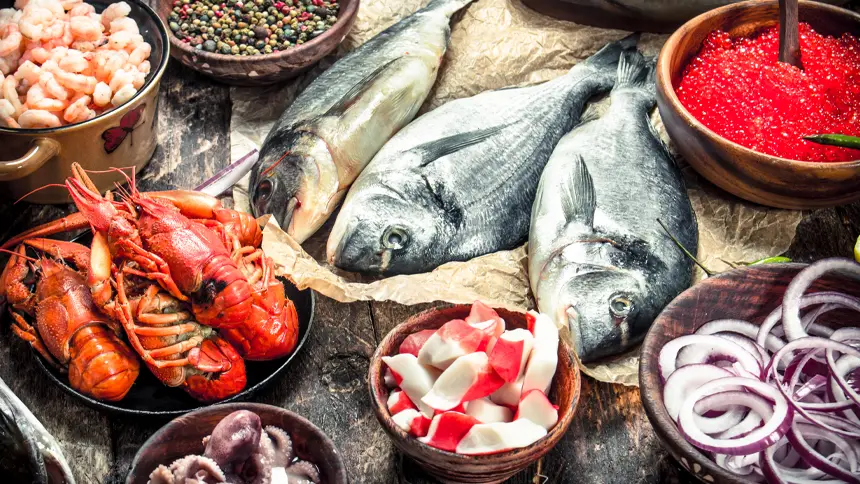
Ajman’s waters provide a wide variety of fish and shellfish. Many species are still used in local kitchens today. Fishermen often bring their catch directly to markets or restaurants, keeping quality high.
Popular local seafood varieties
- Hammour – a firm white fish often grilled or baked
- Kingfish (Kanaad) – rich taste, suitable for frying
- Sultan Ibrahim (Red Mullet) – soft texture, quick cooking
- Shari (Emperor fish) – mild flavour, used in stews
- Shrimp – widely enjoyed in rice dishes
- Crab – cooked with spices or served whole
Each type suits different cooking styles and occasions.
Traditional Seafood Dishes of Ajman
These meals are known for their comforting flavours rather than heavy sauces. Recipes were created to highlight the natural taste of fish while adding warmth through spices.
Machboos Samak
Machboos is a famous rice-based dish prepared with seafood instead of meat. Fish is cooked with rice, onions, dried lemon, and aromatic spices.
Features of this dish
- Balanced spice level
- Soft, fragrant rice
- Light yet filling texture
This meal is often served during family gatherings or celebrations.
Grilled Coastal Fish
Grilling is one of the oldest cooking techniques used along the coast. Fish is cleaned, seasoned, and placed over charcoal or open flame.
Common seasoning elements
- Sea salt
- Turmeric
- Chilli powder
- Lemon juice
Grilling keeps preparation simple while enhancing its natural taste.
Samak Salona (Fish Stew)
This dish involves slow cooking seafood with tomatoes, spices, and herbs. It creates a rich broth without being heavy.
Why locals enjoy this dish
- Easy digestion
- Comforting warmth
- Suitable with bread or rice
It is often eaten during evening meals.
Seafood Preparation Methods Used Traditionally
Ajman’s coastal residents developed practical ways to prepare fish due to limited tools in earlier times. These techniques are still respected today.
Sun Drying
Fish were cleaned and dried under the sun to preserve them. This allowed storage for long periods.
Benefits of this method
- Reduced waste
- Long shelf life
- Concentrated flavour
Dried fish remains popular in certain traditional meals.
Frying in Shallow Oil
Small fish and shrimp are lightly fried until crisp. This method offers quick cooking and a strong flavour.
Commonly served with:
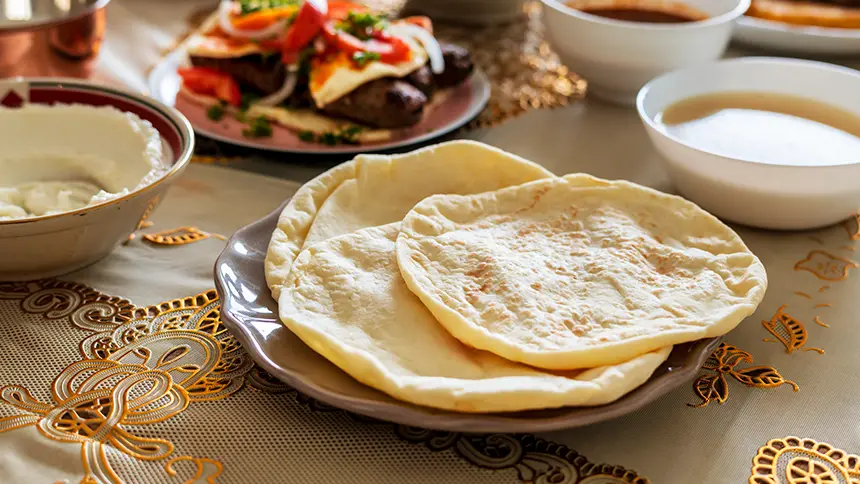
- Flatbread
- Rice
- Spicy sauce
This style suits casual home meals.
Local Seafood Markets and Buying Traditions
These markets hold a central place in Ajman’s coastal food culture, acting as a meeting point for fishermen, vendors, and customers. The busiest hours are early in the morning when boats return with fresh catch from the sea. Buyers often select seafood directly, relying on the guidance of experienced sellers who understand quality and freshness. More than a simple purchase, visiting these markets is a social experience where conversation, trust, and tradition come together.
Home Cooking and Family Meals
Fish and shellfish are commonly prepared at home, especially among families with deep roots in the region. Cooking knowledge is usually passed down through observation and practice rather than written recipes. Family meals often feature shared serving dishes, with everyone eating together at a table or on the floor. These simple dining habits help strengthen family connections and preserve cultural identity across generations.
Role of Spices in Marine food
Spices enhance flavour without overpowering the fish. Ajman’s seafood recipes use moderate seasoning, allowing balance and warmth.
Common spices
- Cumin
- Coriander
- Black pepper
- Dried lime
These ingredients reflect regional trade history and climate needs.
Seafood in Modern Ajman Restaurants
Many modern restaurants along Ajman’s coast now serve seafood inspired by traditional recipes. While presentation has become more contemporary, the core flavours remain connected to heritage. Menus often include grilled fish platters. Coastal delicacies are paired with rice, and mixed curries. These offerings appeal to both residents and visitors seeking authentic coastal tastes.
Cultural Importance of Seafood
It holds deep cultural value in Ajman’s history. Fishing once supported entire communities and shaped daily life along the shore. This connection is reflected in local stories, customs, and traditions that honour fishermen and seasonal eating habits. Seafood represents cooperation, survival, and a respectful relationship with nature.
Health Benefits of Coastal delicacies
Local Marine food is not only flavourful but also nutritious. Regular consumption supports overall wellness.
Health advantages
- High protein content
- Natural omega fats
- Low saturated fat levels
- Easy digestion
These benefits make coastal delicacies suitable for all age groups.
Sustainability and Traditional Fishing Values
Traditional fishing practices in Ajman focused on balance and respect for the sea. Fishermen avoided excessive harvesting and followed natural cycles. Today, these principles are becoming important once again. Seasonal fishing, the use of traditional nets, and care for marine life help protect seafood resources for future generations.
Conclusion
Local seafood specialities along the Ajman coast reflect history, culture, and simple living. From grilled fish to rice-based meals, every dish tells a story of the connection between people and the sea. Fresh ingredients, gentle spices, and shared dining create a food tradition that remains meaningful today. Even as Ajman grows and modernises, its coastal seafood heritage continues to thrive. These dishes offer comfort, nourishment, and cultural pride.