Dubai has become one of the most exciting culinary cities in the world. Its cuisine culture is growing fast, offering everything from local Emirati dishes to flavors from every continent. People from many countries live and work in Dubai, and they bring their own culinary traditions, making the city a place where anyone can find something they love to eat. The dining industry plays an important role in Dubai’s tourism and economy, as many travelers visit to enjoy its famous restaurants and street eateries. Events like the Dubai Food Festival and the arrival of the MICHELIN Guide show how much the city values quality cooking experiences. With thousands of new cafes and restaurants opening each year, Dubai aims to become a true world gastronomy capital, a place known for creativity, variety, and unforgettable culinary experiences for both residents and visitors.
Evolution of Dubai’s Culinary Scene
Dubai’s gastronomy story has changed a lot over the years. In the past, traditional Emirati cuisine was simple and made with local ingredients like dates, fish, rice, and spices. Dishes such as machboos and harees were popular among local families. As Dubai grew into a busy trade center, people from India, Iran, Africa, and other Arab countries brought their cooking styles, adding new tastes to the city’s culinary landscape. Later, when expat communities started living and working in Dubai, more international dishes appeared, such as Italian, Chinese, Japanese, and Thai. The city became a place where people could taste flavors from around the world in one day. At first, Dubai was known mainly for luxury dining in five-star hotels, but now it also offers casual cafes, food trucks, and street markets. This mix of high-end and affordable options makes dining enjoyable for everyone, locals and tourists alike.
Recognition on the Global Stage
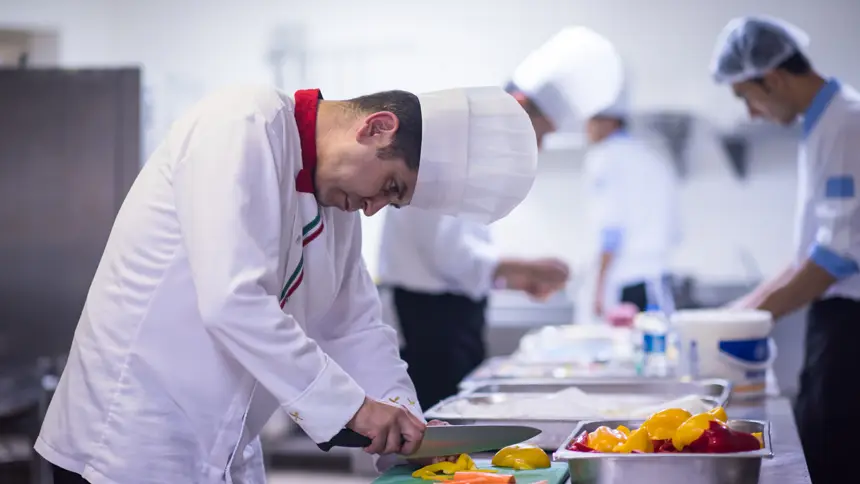
Dubai has earned a strong name in the world of cuisine and dining. The launch of the MICHELIN Guide Dubai was a big step that showed the city’s growing quality and creativity in cooking. Many restaurants in Dubai have received Michelin Stars and Green Stars for their excellent taste and sustainable practices. The city is also featured in famous international lists like The World’s 50 Best Restaurants and MENA’s 50 Best, which highlight the top places to eat across the region. Many well-known chefs, such as Gordon Ramsay, Nobu Matsuhisa, and Heston Blumenthal, have opened restaurants in Dubai, adding to its global fame. Along with these, several talented local chefs are also gaining attention for their creative menus. International brands and homegrown eateries now stand side by side, offering world-class gastronomic experiences. All these achievements prove that Dubai is becoming a true global culinary destination admired by travelers and experts alike.
Variety and Diversity of Cuisines
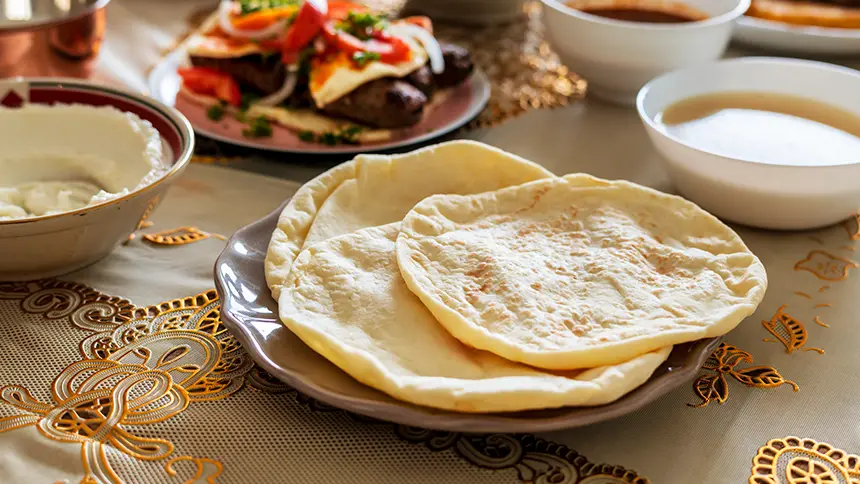
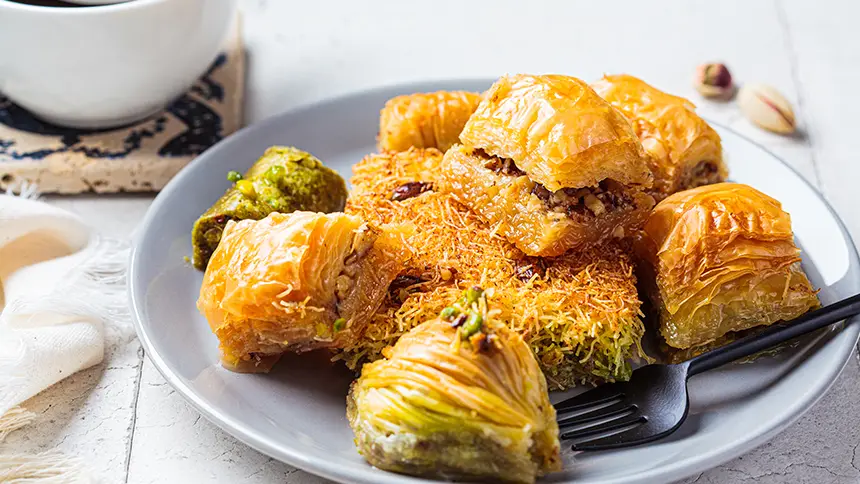
The city’s culinary scene is a beautiful mix of many cultures and tastes. Traditional Emirati dishes such as machboos, luqaimat, and harees are becoming more popular as restaurants proudly serve local flavors to visitors. At the same time, people can enjoy dishes from almost every part of the world—from spicy Indian curries and Japanese sushi to Italian pasta and Arabic grills. This wide range of cuisines shows how open and welcoming the city is to different cultures. Many chefs are also experimenting with fusion dishes that blend flavors from East and West, creating something new and exciting. Fine dining spots, family cafes, and street eateries all add their own special touch. Modern dining experiences, themed restaurants, and live cooking stations make eating out more fun and creative. With so many choices, everyone can find something they love, no matter their taste or budget.
Food Festivals and Culinary Events
Food festivals and special dining events have made the city’s culinary culture more lively and exciting. The famous Food Festival and Restaurant Week celebrate both local and international cuisines, bringing chefs, food lovers, and tourists together. During these events, people can try special dishes, enjoy discounts, and learn new cooking skills through fun workshops. Street markets and pop-up eateries also attract big crowds, offering fresh meals made by talented local cooks. These places give small businesses and home chefs a chance to share their unique recipes with the public. Social media plays a big part in promoting these experiences, as influencers and bloggers post pictures, reviews, and videos that inspire others to explore new restaurants. Platforms like Instagram and TikTok help spread awareness about hidden gems and creative cooking. With so many exciting gastronomic events happening throughout the year, the city has become a true celebration of taste, creativity, and community spirit.
Innovation and Sustainability
The city’s culinary scene is becoming more modern and eco-friendly. Many restaurants are now recognized as Green Star establishments for their efforts to protect the environment. They focus on reducing waste, saving energy, and using sustainable ingredients. Local farms and hydroponic systems help provide fresh vegetables and herbs without relying heavily on imports. This supports the community and ensures healthier, high-quality ingredients. Chefs and restaurant owners are also exploring new ways to make dining more convenient and smart.
Technology is changing how people order and enjoy meals, with smart menus, online reservations, and delivery apps making it easier to experience different cuisines. Some restaurants even use digital tools to track quality and reduce waste. Combining creativity, technology, and sustainability, the city is showing that modern gastronomy can be responsible as well as enjoyable. Visitors and residents now have the chance to eat in places that are not only tasty but also care about the planet. These efforts make the dining culture exciting, innovative, and more conscious of the environment, inspiring other cities to follow similar practices.
Challenges in the Culinary Industry
The growing dining scene also faces several challenges that restaurants need to handle carefully. One of the biggest issues is high competition, as many new restaurants open every year. This creates a crowded market, and not every place can survive for long. Owners must find ways to attract customers and stand out with unique menus and service. Another challenge is the high cost of running a restaurant. Ingredients, especially imported ones, can be expensive, and rent for spaces in popular areas is often very high. Hiring skilled chefs and staff also adds to the cost, making it difficult for smaller businesses to manage. At the same time, restaurants must balance creativity with tradition.
While trying new dishes and modern techniques, it is important to keep the cuisine authentic and true to its roots. If restaurants lose their original taste or quality, customers may be disappointed. Despite these challenges, many chefs and owners continue to innovate and work hard to provide exciting experiences for visitors and residents. Their dedication helps the city remain a vibrant and diverse gastronomic destination.
Future of Dubai’s Culinary Scene
The future of the city’s gastronomy looks bright and full of opportunities. Over the next ten years, experts predict many new trends will shape dining experiences. People will enjoy healthier menus, plant-based dishes, and more sustainable cooking methods. Technology will play a bigger role, with smart ordering systems, robotic kitchens, and advanced delivery services making meals faster and more convenient. Homegrown brands and local chefs are expected to grow in popularity, bringing unique flavors and creative ideas to the table. Many talented young cooks are opening their own restaurants or cafes, showing that local talent can compete with international chains.
At the same time, the city aims to become a global gastronomy capital, attracting food lovers from around the world. By combining quality, variety, innovation, and sustainability, it hopes to gain recognition as one of the top culinary destinations on the planet. With exciting festivals, awards, and a focus on creativity, the gastronomic scene will continue to evolve. Both residents and visitors can look forward to new flavors, experiences, and ways to enjoy cuisine in the years ahead.
Conclusion
The city’s culinary journey has been impressive, growing from simple local dishes to a rich mix of international flavors. Traditional Emirati meals are now served alongside Indian, Japanese, Italian, and many other cuisines, making the gastronomic scene exciting and diverse. Innovation has played a big role, with chefs experimenting with fusion dishes, smart dining technologies, and creative restaurant concepts. Sustainability is also becoming important, as restaurants focus on eco-friendly practices, local ingredients, and reducing waste. Festivals, awards, and global recognition have helped put the city on the map as a top culinary destination. With talented local chefs, international brands, and a welcoming environment for different tastes, the city has become a true melting pot of flavors. This combination of diversity, creativity, and responsibility makes it an inspiring example of how cuisine can bring cultures together and create unforgettable experiences for both residents and visitors.