Fujairah, one of the seven emirates of the United Arab Emirates, is renowned for its stunning coastline along the Gulf of Oman. Unlike other emirates that are more desert-focused, Fujairah thrives on its maritime heritage. Fishing has been an integral part of local life for centuries, shaping both culture and cuisine. Today, fishermen’s markets in the region are not only a source of fresh seafood but also a reflection of tradition, community, and sustainable practices.
A Rich Maritime Heritage
Fujairah’s history is closely tied to the sea, with generations of families depending on fishing for both income and nutrition. The coastline, dotted with small villages and ports, offers ideal conditions for a wide variety of fish and shellfish. Traditional fishing methods, including netting, line fishing, and traps, continue to be practised, while wooden boats reinforced with modern materials carry fishermen out early each morning to collect the day’s catch. Knowledge of tides, currents, and seasonal patterns is carefully passed down through families, supporting sustainable harvesting. More than just a livelihood, this maritime heritage forms an essential part of the identity of Fujairah’s coastal communities.
The Rise of Fishermen’s Markets
In recent years, fishermen’s Bazaars have gained popularity as urban residents and tourists seek authentic food experiences. Unlike supermarkets, these markets offer freshly caught seafood directly from the boats, ensuring superior taste and nutritional quality.
Key Features
- Freshness: Seafood arrives at the market within hours of being caught.
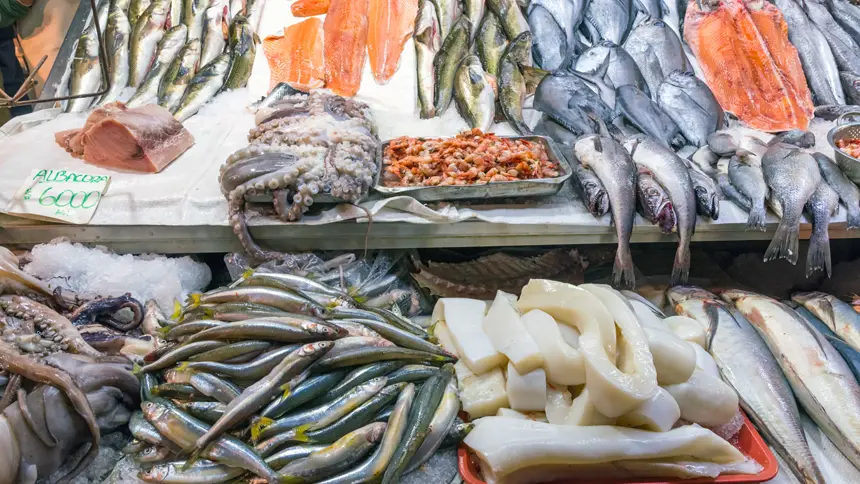
- Variety: From popular fish like kingfish, grouper, and mackerel to shellfish such as shrimp, crabs, and lobsters.
- Local Interaction: Buyers can speak directly with fishermen, gaining insight into fishing techniques, origin, and best ways to cook the catch.
- Sustainability: Many vendors follow eco-friendly practices, promoting selective fishing and minimal waste.
Popular Markets in Fujairah
Fujairah Fish Market
- Central hub for wholesale and retail seafood.
- Early morning trade where auctions set the price for large quantities.
- Attracts both locals and restaurant owners looking for bulk purchases.
Dibba Market
- Located near the Dibba port, known for its traditional charm.
- Fish is displayed on ice, maintaining freshness throughout the day.
- Vendors often give cooking tips and recipes to buyers.
Kalba Fish Souq
- Smaller but culturally rich, with a family-friendly atmosphere.
- Offers unique regional species not found elsewhere in the UAE.
- Emphasis on sustainable fishing techniques.
Culinary Impact of Fresh Catch
The abundance of fresh seafood significantly influences Fujairah’s cuisine. Local dishes highlight the natural flavours of the sea, often using minimal seasoning to preserve authenticity.
Signature Dishes
- Grilled Hammour (Grouper): Marinated in light spices and grilled over open flames.
- Shrimp Machboos: A rice-based dish infused with aromatic spices and freshly caught shrimp.
- Seafood Samosas: A modern twist on a traditional snack, filled with a mix of fish and herbs.
- Shellfish Curries: Coconut milk-based curries incorporating crabs or prawns, popular in coastal towns.
Home Cooking and Street Food
Many families in Fujairah purchase directly from the fishermen to prepare meals at home. Street vendors also use fresh catches to create snacks and small meals that reflect local flavours. The freshness ensures that even simple preparations taste exceptional.
Economic Significance
Fishermen’s markets are a crucial part of Fujairah’s economy, providing more than just fresh seafood. They generate income for small-scale fishermen and create employment opportunities for market workers, transporters, and cooks. By enabling direct sales, these markets reduce reliance on intermediaries, allowing fishermen to earn fair wages. They also attract tourists seeking authentic culinary experiences, boosting the local tourism sector. Additionally, nearby restaurants and eateries benefit from easy access to fresh ingredients, helping them maintain flavourful, competitive menus and supporting the growth of small businesses throughout the region.
Community and Cultural Engagement
Fishermen’s markets in Fujairah serve as more than just places of trade; they are vibrant centres of social and cultural life. Residents gather to exchange news, share cooking tips, and celebrate seasonal catches, fostering a sense of community. Children often accompany their parents, learning firsthand about traditional fishing methods and local customs. Festivals and seafood competitions are sometimes organised during peak fishing seasons, adding excitement and attracting visitors. Meanwhile, elderly fishermen share stories and knowledge, preserving cultural heritage and ensuring that younger generations remain connected to the maritime traditions of the region.
Sustainable Practices
Fujairah has increasingly prioritised sustainable fishing and market practices to protect marine ecosystems. Seasonal restrictions prevent certain species from being caught during breeding periods, allowing populations to recover. Size limits ensure that juvenile fish are not sold, supporting long-term growth. Markets are also adopting eco-friendly packaging, replacing plastics with biodegradable or reusable alternatives. Additionally, selective harvesting encourages fishermen to target specific species carefully, minimising disruption to the marine environment. Together, these measures balance economic needs with environmental responsibility, helping Fujairah maintain its fishing traditions for generations to come.
Tourist Experience
Visitors to Fujairah often consider fishermen’s markets an essential stop. The markets provide a sensory experience that combines sight, smell, and taste:
- Visual Appeal: Vibrant displays of fish, crabs, and colourful seafood.
- Aromatic Atmosphere: Freshly cleaned fish mixed with sea breeze creates a distinctive scent.
- Interactive Shopping: Tourists can haggle overprices, ask about preparation methods, and sometimes witness live cleaning or filleting.
Tourism and local culture intersect at these markets, allowing outsiders to appreciate daily life while supporting the community.
Challenges Facing the Market Culture
Despite its vibrancy, Fujairah’s fishermen’s market culture faces certain challenges:
- Competition with Supermarkets: Large retail chains offer convenience but often compromise on freshness.
- Climate Change: Rising sea temperatures affect fish populations, reducing yields.
- Urban Development: Expansion of ports and infrastructure can encroach on traditional fishing areas.
- Waste Management: Handling byproducts and maintaining hygiene remain ongoing concerns.
Addressing these challenges requires coordinated efforts from authorities, fishermen, and consumers to ensure markets remain sustainable and authentic.
The Future of Fresh Catch in Fujairah
The future of fishermen’s markets in Fujairah is promising, with a focus on modernisation without losing tradition. Key trends include:
- Digital Platforms: Online ordering and home delivery for fresh seafood.
- Market Upgrades: Improved refrigeration and storage facilities to maintain quality.
- Culinary Tourism: Integrating markets into guided food tours and cooking classes.
- Educational Programs: Teaching visitors and residents about sustainable fishing and seafood preparation.
By blending tradition with modern convenience, Fujairah can ensure that fresh seafood remains central to its food culture.
Conclusion
Fishermen’s markets in Fujairah are more than just places to buy fish. They represent a living connection to the sea, a source of nutrition, and a celebration of community. The culture of fresh catch brings together tradition, economy, and cuisine in a way that few other experiences can. From bustling morning markets to family kitchens, the availability of fresh seafood defines how locals eat, celebrate, and preserve their heritage. Tourists visiting these markets can taste not only the food but also the history and stories behind every catch. Sustainable practices ensure that this culture can continue for generations, balancing the needs of people with the health of the oceans.