The Bedouin are traditional desert-dwelling Arab communities who have lived for generations across the vast deserts of the Middle East. Their lifestyle is closely connected to nature, and food plays an important role in their culture. For the Bedouin, cooking is not only a way to survive in the harsh desert environment but also a symbol of hospitality and togetherness. Meals are often shared with family members, neighbours, and travellers, showing the strong sense of community within Bedouin life. Because the desert offers limited resources, their cooking traditions developed around simple, natural ingredients such as dates, milk, meat, and wild herbs. These ingredients provided the energy needed for long journeys and daily activities. The tough desert conditions also shaped their methods of cooking, leading to techniques like slow-cooking over open fires. As a result, Bedouin cuisine reflects both the challenges and the rich cultural values of desert living.
Traditional Bedouin Ingredients
Traditional Bedouin ingredients reflect the simple, natural lifestyle of people living in the desert. Because resources were limited, Bedouin families depended on foods that were easy to find, store, and carry during long journeys. Their ingredients were chosen for their nutritional value, providing strength and energy for life in a harsh environment. Dates, milk, meat, grains, and wild herbs formed the foundation of their daily meals, while natural desert resources supported their cooking methods. These ingredients not only helped the Bedouin survive but also shaped a unique and meaningful food culture. Today, these traditional ingredients continue to be celebrated as an important part of Bedouin heritage and Arabian culinary history.
Staple Ingredients
Nomadic desert cooking relies on simple but nourishing staple ingredients that were easily available in the desert. Dates were one of the most important foods, providing natural sweetness and energy. Milk and dairy products, especially camel milk and yoghurt, were used daily because they were filling and could be stored for longer periods. Meat, usually from goats, camels, or lambs, was cooked for special occasions or shared with guests as a sign of respect. Grains such as rice and wheat became popular as trade increased, allowing tribal cooks to prepare hearty meals like stews and breads. They also used wild herbs and spices gathered from the desert to add flavour and aroma to their dishes. These staple ingredients helped desert families create balanced meals that supported their active lifestyle in the harsh desert environment.
Cooking Essentials
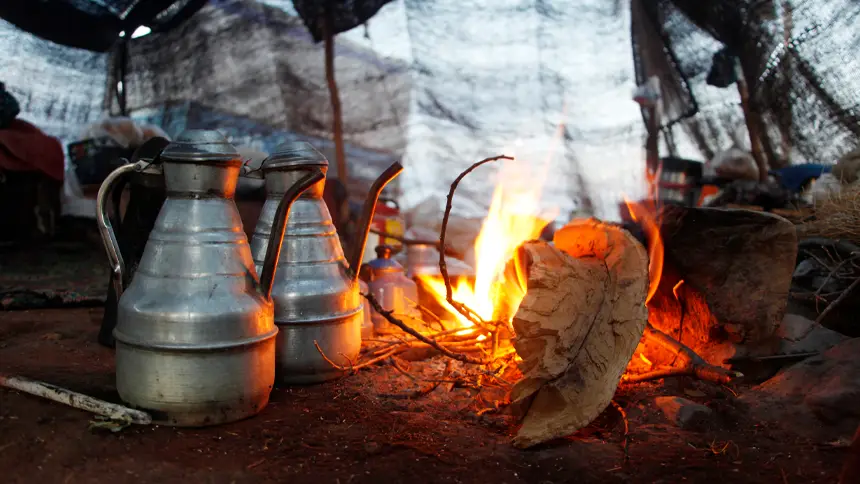
Traditional desert-dweller cooking methods were shaped by the environment and the tools available in the desert. One of the main techniques was the use of an open fire, which allowed families to cook meals wherever they travelled. Food was often prepared in clay pots or metal pots, as these were durable and helped retain heat during long hours of slow-cooking. Nomadic groups also depended on natural ingredients from the desert, such as firewood, hot stones, and wild herbs, to cook and season their food. These essentials made it possible to create warm, comforting meals even in challenging conditions. The simplicity of their cooking tools reflects their resourcefulness and ability to adapt to desert life while preserving their rich culinary traditions.
Traditional Cooking Methods
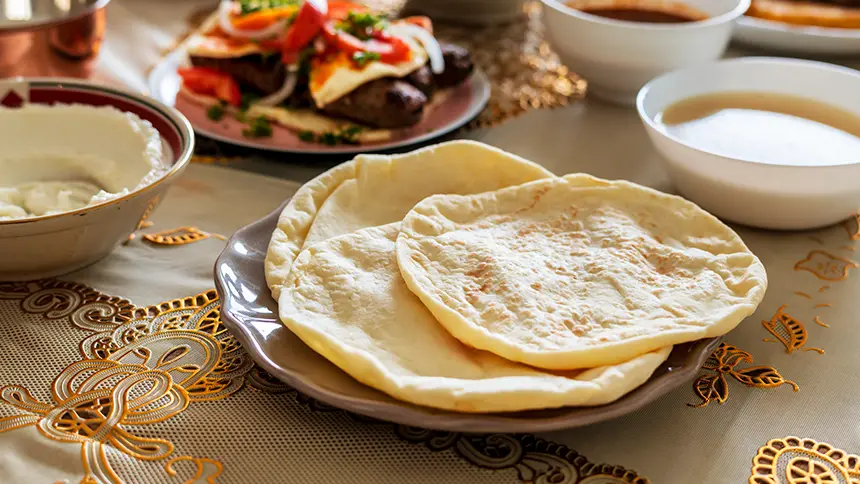
Traditional tribal desert cooking methods were shaped by the tough conditions of desert life, where people had to rely on simple tools and natural resources. One of the most common techniques was slow-cooking, which allowed meat, grains, and vegetables to cook gently over several hours. This method made the food tender and flavourful, while also making the most of limited ingredients. Another famous nomadic method is roasting meat under the sand, known as Zarb. In this technique, a pit is dug in the ground, filled with hot coals, and covered with sand to cook the meat slowly and evenly. This creates a smoky, rich taste that is still enjoyed in many Middle Eastern countries today. Wandering communities also practised open-fire bread making, using simple dough cooked directly on hot metal plates or stones. This produced thin, crispy breads that could be eaten with stews or cheese. They sometimes used stone and clay ovens, which held heat well and allowed them to bake bread or roast meat even in windy conditions. These traditional cooking methods show the desert people’s creativity and skill in making delicious food using the few resources available in their surroundings.
Popular Bedouin Dishes
Popular desert tribal dishes are known for their simplicity, rich flavours, and use of natural ingredients. Traditional meals often include hearty dishes like Harees, made by slow-cooking wheat and meat until soft, and Majboos, a fragrant rice dish cooked with meat and spices. Another favourite is Thareed, where pieces of flatbread are soaked in a tasty meat or vegetable stew. Grilled meats, especially goat and lamb, are also common in nomadic Arabian cuisine, reflecting the livestock raised in the desert. These dishes highlight the desert communities’ ability to create comforting and nourishing meals from limited resources while maintaining strong cultural traditions.
Main Dishes
- Harees
- Majboos
- Thareed
- Grilled meats
Breads and Side Dishes
- Raqaq brea
- Khameer bread
- Rice dishes and stews
Sweets & Desserts
- Dates with ghee
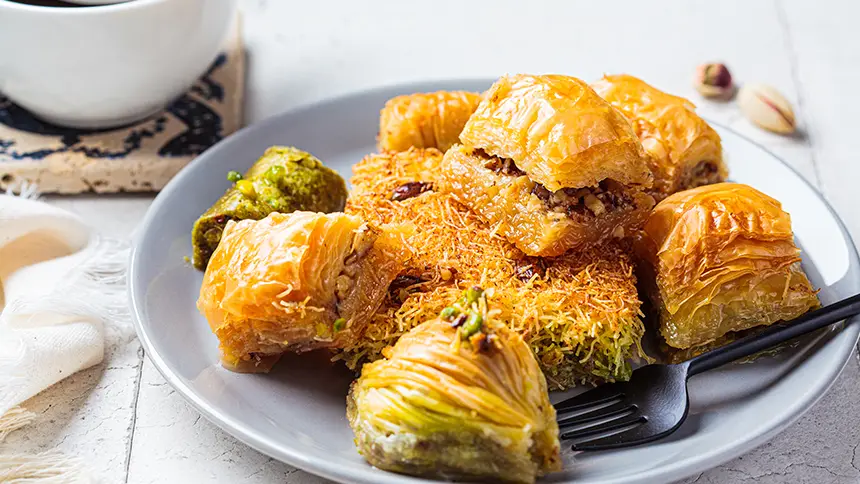
- Simple sweet breads
Bedouin Drinks & Hospitality
Desert-dwelling drinks and hospitality are an important part of their culture, showing kindness, respect, and generosity towards others. One of the most famous traditional drinks is Arabic coffee, known as gahwa, which is lightly roasted and flavoured with cardamom. It is always served in small cups, and the host continues pouring coffee until the guest gently shakes the cup to show they have had enough. Mint tea is another popular drink, enjoyed for its refreshing taste and soothing warmth, especially during cold desert nights. Both drinks play a special role in welcoming visitors.
In nomadic culture, the importance of serving guests is taken very seriously, as offering food and drink is seen as a sign of honour. Guests are treated with great respect, and even strangers are welcomed warmly. These hospitality traditions reflect the desert tribes’ strong sense of community and their belief in caring for others, especially in the harsh desert environment where support and kindness were essential for survival. Today, these customs continue to be celebrated across the Middle East, reminding people of the deep-rooted values of generosity and friendship in Arabian nomad life.
Cultural Significance of Bedouin Food
The cultural significance of desert-tribe food goes far beyond simple nourishment, as it reflects the values and traditions of desert life. For the Bedouin, food is a symbol of generosity, and sharing meals has always been an important way to show kindness and respect. Whether offering water, bread, or a full meal, these nomads believed that welcoming others was a duty, especially in the harsh desert where resources were limited. This spirit of giving is still seen today in how families host guests with great warmth. Their traditional cuisine also brings people together during community gatherings, such as festivals, celebrations, and family events.
Large dishes are often placed in the centre, encouraging everyone to eat together and strengthen their bonds. These gatherings help maintain a sense of unity and belonging. Another important aspect of tribal cooking is its role in maintaining traditions across generations. Recipes and cooking methods are passed down through families, keeping their heritage alive. Young people learn from elders how to prepare traditional dishes, bake bread over an open fire, and serve guests with respect. Through these customs, their food culture continues to preserve the stories, values, and identity of their community.
Modern Influence
In modern times, traditional desert cuisine continues to influence the culinary scene across the UAE, as many people are becoming more interested in traditional flavours and cooking styles. Today, heritage dishes can be found in many UAE restaurants, where chefs recreate classic meals such as Harees, Majboos, and grilled meats while adding their own modern touches. This has helped introduce younger generations and visitors to the rich heritage of these tribes. There is also a growing revival of traditional recipes, as families and cultural groups work to preserve old cooking methods and ingredients.
Many people are returning to slow-cooking techniques, open-fire bread making, and the use of natural spices to keep these traditions alive. In addition, cultural festivals that celebrate tribal desert cooking are becoming more popular across the Emirates. These festivals often include live cooking demonstrations, food stalls, storytelling, and music, giving people a chance to experience nomadic culture in an interactive way. Through restaurants, revived recipes, and cultural events, desert traditions continue to play an important role in modern society while honouring their historical roots.
Conclusion
Nomadic culinary heritage reflects the rich history, resilience, and resourcefulness of desert life. With simple yet nourishing ingredients, traditional cooking methods, and a deep sense of hospitality, Bedouin food has become an important symbol of their culture and values. The dishes, drinks, and customs passed down through generations remind us of how people survived and thrived in the harsh desert environment. Preserving these traditional desert recipes is important because they not only connect younger generations to their heritage but also help keep cultural identity alive in a rapidly modernising world. By celebrating tribal cuisine through family traditions, restaurants, and cultural festivals, we ensure that these unique flavours and meaningful customs continue to be appreciated. Bedouin cuisine stands as a reminder of the importance of community, generosity, and tradition, making it a valuable part of the UAE’s cultural history and future.