Ajman may be one of the smaller emirates in the UAE, but its food culture is rich and deeply rooted in daily life. Among all culinary traditions, bakery culture holds a special place. Fresh bread is not just a food item here; it is a daily habit, a social connector, and a symbol of comfort. From early morning ovens to late-night neighbourhood shops, the smell of baked dough fills the air and invites people inside.
Bread in Ajman represents warmth, hospitality, and tradition. Locals and residents from different backgrounds all share a common love for freshly baked items. Whether enjoyed with tea, used in meals, or served to guests, a loaf plays a key role in everyday routines. Exploring Ajman’s bakery scene offers a deeper look into its culture, community values, and simple pleasures.
The Importance of Bread in Daily Life
In Ajman, Loaf is much more than a simple side dish. It often forms the base of everyday meals and is an essential part of family dining. Many households depend on nearby bakeries for their daily supply, choosing freshly baked loaves instead of packaged alternatives. Freshness, affordability, and easy access make bread a preferred choice for people of all ages. It fits well with many dishes and is usually shared at the table, strengthening family connections.
Morning visits to bakeries are a familiar routine across the city. On the way to work or school, people stop to buy warm flatbread wrapped in paper, enjoying its softness and aroma. This daily habit has been followed for years and continues to link younger generations with older traditions, keeping cultural values alive through simple food practices.
Traditional Bakeries in Ajman
Traditional Bakehouses are commonly found in older districts, lively streets, and quiet residential areas of Ajman. These bakeries usually have simple interiors, large ovens, and experienced bakers who have perfected their skills over many years. The focus is not on decoration but on quality, speed, and consistency, which keeps customers returning every day.
Many local bakeries use clay or stone ovens and have open preparation spaces where customers can watch the baking process. Service is quick, and bread is often ready within minutes. Seeing dough stretched by hand, placed inside hot ovens, and removed fresh and steaming is a fascinating experience. The result is a soft, warm loaf with a gentle smoky taste that reflects the authenticity of Ajman’s baking traditions.
Popular Types of Bread in Ajman
Ajman’s bakery culture reflects its diverse population. While traditional Emirati styles remain popular, influences from other regions are also present.
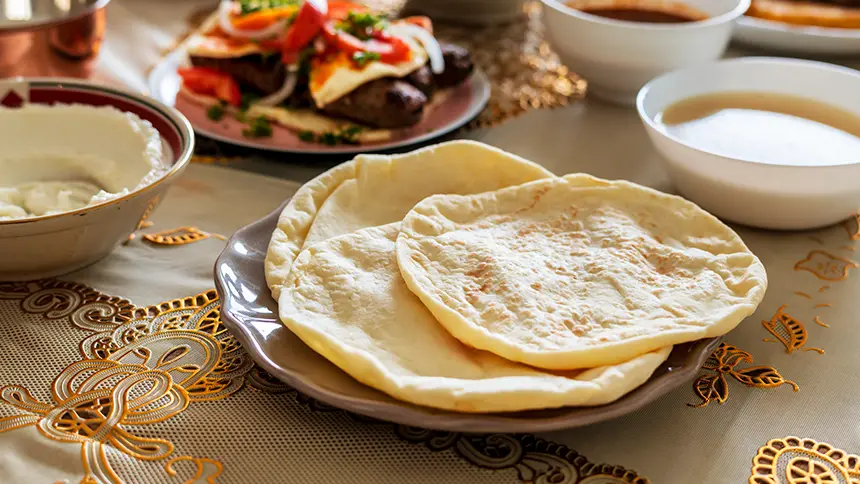
Flatbread
Flatbread is the most common variety. It is round, thin, and soft, making it perfect for dipping or wrapping food. It is often eaten with:
- Grilled meat
- Stews
- Cheese
- Spreads
Khameer
Khameer is a traditional Emirati bread. It is slightly sweet, fluffy, and thicker than flatbread. This type is usually prepared at home or bought from specialty shops. Khameer enjoyed with:
- Honey
- Date syrup
- Tea
Tandoor-Style Bread
This is baked inside very hot ovens. It has a crisp outside and soft inside. Many bakeries prepare it fresh throughout the day, attracting long lines of customers.
The Role of Bakeries in the Community
In Ajman, bakeries serve as friendly community spaces rather than simple food shops. People often greet one another, exchange brief conversations, and share suggestions while waiting for their orders. These daily interactions help build strong neighbourhood connections and create a sense of belonging.
Bakeries support everyday household needs, act as informal meeting points, and provide affordable food for all income levels. They also help preserve traditional baking practices that have been passed down through generations. Many residents visit the same bakery for years, developing trust and familiarity. Bakers often recognise regular customers and prepare their orders quickly, sometimes without needing to ask.
Freshness as a Core Value
Freshness lies at the core of Ajman’s bakery culture, where bread is expected to be soft, warm, and recently baked. Quality is closely tied to taste and tradition, so many bakeries avoid selling older items. Fresh Loaf is appreciated for its rich flavour, tender texture, and the satisfaction it brings to customers, making it a cultural expectation rather than a simple choice. To meet this demand, some bakeries continue baking from early morning until late evening, ensuring freshly prepared bread is always available.
Influence of Multicultural Residents
Ajman’s diverse population has greatly shaped its bakery culture, bringing together traditional Emirati bread with styles inspired by South Asian, Middle Eastern, and other regional traditions. This cultural blend is reflected in varied dough textures, unique shapes, different baking methods, and a wider range of flavours. It allows residents to enjoy familiar tastes from their own backgrounds while exploring new options, making Ajman’s bakery scene lively, welcoming, and inclusive.
Modern Bakeries and Cafés
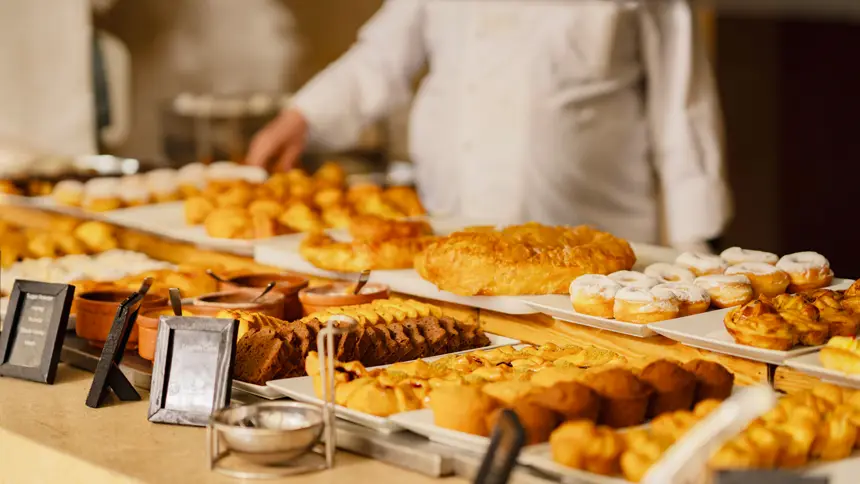
Modern bakeries and cafés are increasingly common in Ajman, blending traditional baking with contemporary presentation and comfortable settings. These shops often offer seating areas, display counters, packaged goods, and coffee or tea, attracting younger customers and tourists. Despite their modern approach, many continue to serve traditional bread, keeping the city’s cultural baking traditions alive.
Bread in Family Meals
It plays a central role in family meals in Ajman, often placed at the table’s centre and shared by everyone. It is used to scoop food, accompany main dishes, eaten with simple spreads, or offered to guests. This shared practice strengthens family bonds and reflects the region’s strong tradition of hospitality and togetherness.
Religious and Cultural Connections
Bread also holds cultural and religious significance. For special occasions, families prepare or purchase specific types of baked items.
Examples
- Ramadan meals
- Festive gatherings
- Charity distributions
Offering bread to others is seen as an act of kindness. Bakeries often stay open longer during important seasons to meet increased demand.
Challenges Facing Traditional Bakeries
Despite their popularity, traditional bakeries face some challenges.
Common issues
- Rising ingredient costs
- Competition from supermarkets
- Changing eating habits
- Increased operating expenses
However, loyalty from local customers helps many of these businesses survive. People continue to support shops that maintain quality and tradition.
Why Tourists Should Explore Ajman’s Bakeries
While many visitors focus on restaurants, local bakeries offer a more authentic glimpse into daily life in Ajman. Sampling freshly baked Loaf lets travellers experience the city’s food culture firsthand, enjoy affordable and flavourful treats, and interact with friendly locals. Watching bread being prepared and tasting it warm from the oven creates a simple yet memorable experience that captures the essence of the community.
The Future of Bakery Culture in Ajman
Ajman’s bakery traditions have a bright future, as the community’s love for fresh bread remains strong even as baking styles evolve. The culture continues to balance tradition and innovation, with trends like combining classic and modern methods, using healthier ingredients, preserving traditional recipes, and supporting family-run shops. By maintaining freshness, quality, and community values, bakeries in Ajman are set to thrive for years to come.
Conclusion
Bakery culture in Ajman is deeply woven into everyday life. Fresh loaf is not only food but a tradition passed down through generations. From simple neighbourhood shops to modern cafés, bakeries reflect the emirate’s values of hospitality, simplicity, and togetherness. The smell of warm dough, the sight of skilled bakers, and the joy of sharing bread bring people closer. In Ajman, fresh bread tells a story of culture, community, and care. It reminds us that sometimes, the simplest foods carry the richest traditions.