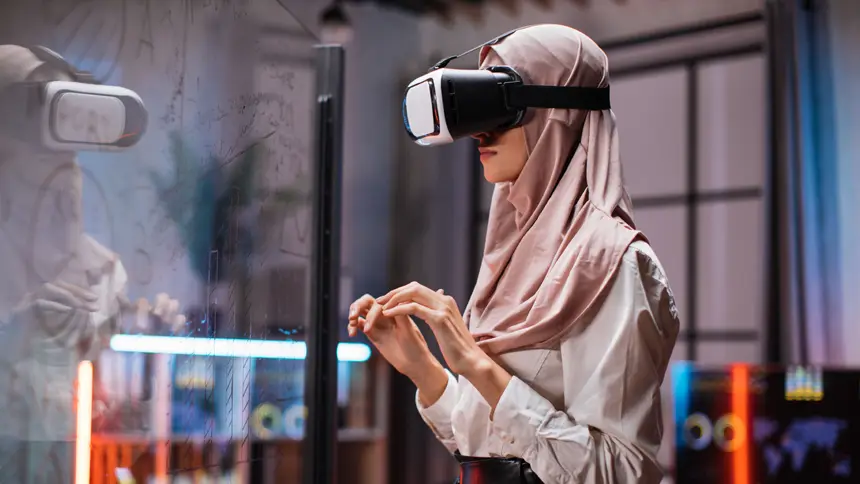
UAE malls have grown far beyond traditional shopping centres and have become modern hubs for retail, entertainment, and technology. Today, these malls offer much more than stores and restaurants; they provide exciting experiences that attract families, tourists, and young people. One of the biggest changes in recent years is the rise of immersive technologies such as 3D displays and augmented reality (AR). These innovations make visits more interactive and enjoyable by blending the digital world with the real environment. Shoppers can explore virtual landscapes, try on products using AR mirrors, or enjoy large-scale 3D shows that bring stories and characters to life. These features make malls more engaging and encourage visitors to spend more time exploring. The purpose of this article is to highlight how UAE malls are using immersive 3D and AR experiences to transform everyday shopping into something more fun, educational, and memorable for all.
Evolution of Technology in UAE Malls
The evolution of technology in UAE malls has been rapid and impressive, turning ordinary shopping spaces into advanced, interactive environments. In the early years, malls began by using digital signage and large screens to share advertisements, store information, and event updates. These displays made communication clearer and more attractive, creating a modern atmosphere for visitors. As technology continued to advance, malls introduced more interactive features such as Augmented Reality (AR) and Virtual Reality (VR) experiences. AR allowed shoppers to see digital elements layered over real surroundings, while VR transported them into completely virtual worlds.
These innovations made shopping more exciting and offered new forms of entertainment for families and tourists. Over time, this technological growth led to a major shift from traditional shopping to what is now known as “phygital” retail. This term describes the blending of physical and digital experiences, where customers can use smart mirrors, AR apps, and virtual try-ons alongside regular shopping. This transformation has made UAE malls some of the most futuristic and engaging retail destinations in the world, giving visitors a unique mix of convenience, fun, and immersive technology.
Key Examples of 3D and AR Experiences
Dubai Mall
Dubai Mall is one of the leading examples of how immersive 3D and AR technology is used to enhance the visitor experience. Its famous VR Park, also known as the ARena, offers a wide range of virtual and augmented reality games for all ages. Popular attractions include the Jurassic experience, where visitors can stand beside lifelike dinosaurs, and the Arctic Explorer, which allows them to interact with virtual polar animals. These activities make the mall feel more like an adventure park than a shopping centre. Dubai Mall also includes interactive photo and video capture zones, where visitors can record their moments inside these digital worlds. These features make the mall fun, exciting, and highly engaging for tourists and residents alike.
Mall of the Emirates
Mall of the Emirates has embraced advanced technology through its innovative “Store of the Future.” This concept store uses AR mirrors that allow shoppers to try on fashion and beauty products without physically wearing them. It helps customers see how clothes, accessories, or makeup would look on them in real time. The mall also includes large digital displays and interactive screens that provide detailed product information, making shopping easier and more enjoyable. These technologies create a smart and modern environment where visitors can creatively explore new products. Mall of the Emirates has become a leader in combining retail with technology to create a more personalised and convenient shopping experience.
Reem Mall, Abu Dhabi
Reem Mall in Abu Dhabi is another great example of how technology is transforming the shopping experience. The mall features indoor AR navigation systems that help visitors find stores, restaurants, and services easily. By using their phones, shoppers can follow digital directions displayed on their screens, making it simple to move around the large mall. Reem Mall also focuses on “phygital” retail, which blends physical shopping with digital tools. This allows customers to interact with products in new ways, such as scanning items for instant information or using smart displays to explore more options. These features make shopping smoother, faster, and much more interactive.
Other Notable Malls
Several other malls in the UAE also offer impressive immersive experiences. One popular attraction is Infinity des Lumières, an immersive digital art exhibition found in Dubai, where visitors are surrounded by moving artwork, sound, and light. This creates the feeling of stepping inside a painting. Many malls also include gaming and augmented reality zones that provide exciting digital adventures for young people and families. These areas often include 3D screens, AR games, and interactive challenges that bring fun and learning together. These additions show how UAE malls are becoming vibrant destinations for both entertainment and technology.
Benefits of 3D and AR Experiences
The benefits of 3D and augmented reality experiences in UAE malls are clear, as these technologies greatly improve the way people shop and enjoy their time. One major advantage is enhanced shopper engagement. Instead of simply walking through stores, visitors can interact with digital displays, explore virtual worlds, or try out AR games, making the experience more entertaining and memorable. These activities also encourage social media shareability, as many people enjoy taking photos and videos of their AR moments to post online. This not only adds fun for the shopper but also helps the mall attract more visitors.
Another key benefit is the personalized shopping experience that augmented reality tools provide. With smart mirrors and virtual try-ons, customers can see how clothes, accessories, or makeup look on them without needing to physically try them on. This saves time and helps them make better choices. Finally, all these exciting digital features contribute to increased foot traffic and longer dwell time. When malls offer enjoyable and interactive activities, people are more likely to stay longer and explore more shops. Overall, 3D and AR technologies help transform malls into lively, modern spaces that offer both convenience and entertainment.
Challenges and Considerations
Although 3D and augmented reality experiences offer numerous benefits, there are also several challenges and considerations that UAE malls must address. One major challenge is the high installation and maintenance costs. Advanced AR screens, VR equipment, and interactive displays are expensive to set up and require regular servicing to work properly. Another difficulty is user adoption and the learning curve. Not all visitors may feel comfortable using new technology, and some might find AR or VR systems confusing at first. Malls must therefore make these experiences simple and easy to understand.
Privacy and data security issues are also important, especially when AR mirrors and smart systems collect information about users. Malls must ensure that customer data is protected and used responsibly. Finally, keeping content fresh and engaging can be demanding. If the same AR experiences are repeated for too long, visitors may lose interest. Malls need to update their digital attractions regularly to maintain excitement. Overall, while 3D and augmented reality technologies can greatly improve shopping experiences, careful planning and investment are needed to handle these challenges effectively.
Future Trends
The future of 3D and AR experiences in UAE malls looks very promising, with several exciting trends beginning to shape the next generation of shopping. One major trend is the integration of AI and AR for smarter personalisation. This means that augmented reality mirrors and apps will be able to suggest products based on a shopper’s style, preferences, and previous choices, making shopping even more convenient. Another trend is the expansion of immersive zones in more malls. Instead of being limited to a few locations, VR parks, digital art rooms, and AR game areas are likely to become common features across the UAE.
Hybrid experiences are also becoming popular, combining VR, AR, and interactive digital art to create richer and more creative environments for visitors. These spaces will make malls feel more like entertainment destinations than simple shopping areas. Additionally, the use of AR for navigation, promotions, and gamified shopping is expected to grow. Shoppers may soon follow augmented reality arrows to stores, unlock digital rewards, or receive special offers through their phones as they walk around. Overall, these future trends show how technology will continue to transform malls into smart, exciting, and highly interactive spaces.
Conclusion
AR and 3D technologies are transforming the mall experience by making shopping more interactive, engaging, and enjoyable. Instead of simply browsing stores, visitors can now explore virtual worlds, try on products using augmented reality mirrors, and enjoy digital art or gaming zones that bring new excitement to their visit. The UAE has become a true pioneer in creating these immersive retail experiences, with its malls leading the way in combining technology with entertainment. This innovative approach has helped the country set a global example for how modern shopping centres can evolve. Looking ahead, continued advancements in digital tools, AI, AR, and VR will only make mall entertainment even more dynamic and creative. As these technologies grow, UAE malls are expected to offer even richer and more personalized experiences, ensuring that they remain among the most futuristic and impressive destinations for shoppers around the world.