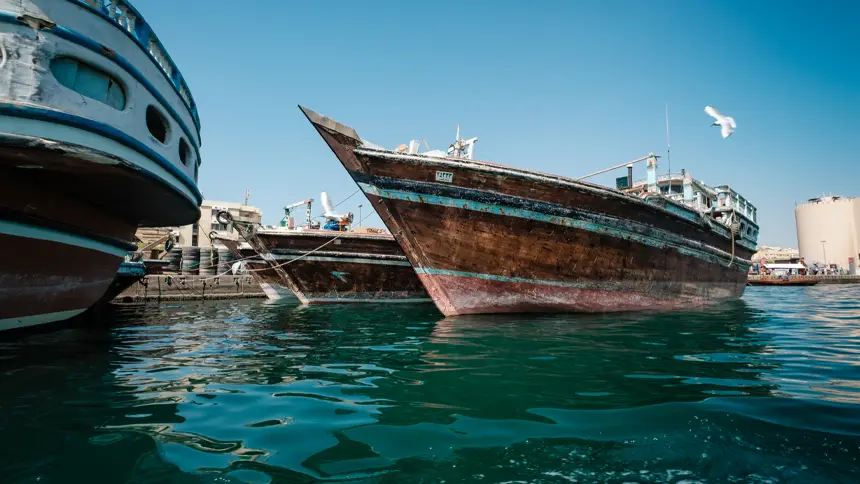
The UAE’s maritime economy plays an important role in the country’s overall development and global commercial connections. With a long coastline along the Arabian Gulf and the Gulf of Oman, the UAE has built a strong and modern marine transport sector that includes ports, shipping services, and coastal exchange activities. Sea-based commerce is a major part of the national economy, supporting industries such as logistics, manufacturing, tourism, and energy. It helps create jobs and allows goods to move smoothly between local and international markets. One of the key strengths of the UAE is its strategic location between East and West, which makes it a natural gateway for business flows between Asia, Europe, and Africa. By investing in world-class ports and efficient shipping systems, the UAE has become an important centre for global ocean-based commercial activities. This sector continues to support economic growth and strengthen the country’s position in international economic relations.
Strategic Importance of the UAE’s Maritime Economy
The maritime economy is strategically important to the UAE as it supports the country’s goal of economic diversification beyond oil and gas. Shipping and port-related commercial activity helps develop key sectors such as logistics, manufacturing, tourism, and re-export services, making the economy more balanced and resilient. The shipping and port industries contribute significantly to the UAE’s GDP by enabling large volumes of imports and exports and supporting international business activities. They also create employment opportunities for people in areas such as port operations, shipping services, customs, and supply chain management. In addition, the UAE’s strong sea exchange network is closely linked to major global routes connecting Asia, Europe, and Africa. Its ports act as vital transit hubs for goods moving across regions. This strategic position allows the UAE to play an important role in global commerce while strengthening its own economic growth and international competitiveness.
Major Ports Driving Maritime Growth
The UAE’s maritime growth is strongly supported by its major ports, which are among the most advanced in the world. These ports handle large volumes of cargo movement and help connect the country to global markets.
Key Commercial Ports
Jebel Ali Port is the largest port in the Middle East and one of the busiest container ports globally. It plays a key role in international trade and supports many businesses through the nearby Jebel Ali Free Zone.
Khalifa Port is a modern, semi-automated port that handles container, general cargo, and bulk shipments. It supports industrial growth and improves logistics efficiency.
Port Rashid mainly serves cruise ships and smaller cargo operations, supporting tourism and local business activities.
Fujairah Port is strategically located outside the Strait of Hormuz, making it important for oil storage, bunkering, and regional shipping.
Port Infrastructure and Capacity
UAE ports have strong container handling capabilities, advanced cranes, and deep-water facilities. Free zones and logistics hubs near ports support industrial operations and manufacturing. Smart port technologies improve speed, safety, and efficiency across the port and shipping ecosystem.
Shipping Industry and Fleet Development
The UAE has a strong and well-developed maritime shipping industry that supports both regional and international trade. The country has invested heavily in building modern fleets and reliable shipping services to meet global market demands.
National and Regional Shipping Companies
The UAE is home to several major shipping operators that provide services across international waters. These UAE-based companies manage container vessels, tankers, and specialised ships, helping move goods efficiently between countries. Government-backed enterprises play an important role in this sector by investing in ships, ports, and sea transport infrastructure. Their support helps strengthen the shipping industry, ensures high safety standards, and increases the UAE’s presence in global marine commercial networks.
Shipping Services and Operations
The shipping industry in the UAE offers a wide range of services. Container shipping handles consumer goods and industrial products. Bulk and tanker shipping transport oil, gas, and raw materials. Ro-Ro and passenger services support vehicle transport, tourism, and regional travel, further boosting ocean transport operations.
Coastal and Domestic Maritime Trade
Coastal and domestic maritime trade plays an important role in connecting different parts of the UAE through sea routes. Coastal shipping, also known as cabotage, involves the movement of goods and passengers between ports within the country. This form of transport is efficient and helps reduce pressure on road networks. Inter-emirate exchange routes allow goods such as construction materials, food products, and fuel to move smoothly between emirates, supporting local businesses and industries.
Coastal commercial movement also helps ensure a steady supply of essential goods to different regions. In addition, the UAE’s domestic sea transport system provides strong support for small and medium ports, which serve local communities and smaller vessels. These ports improve regional connectivity and encourage balanced economic growth. By strengthening coastal and domestic movement by sea, the UAE enhances its transport network, supports economic development, and ensures efficient movement of goods across the country.
Maritime Trade Routes and Connectivity
Maritime trade routes and connectivity are key strengths of the UAE’s economy. The country has strong business links with Asia, Africa, and Europe, allowing goods to move quickly between major global markets. Its ports serve as important meeting points for international shipping routes, making the UAE a major transit and re-export centre. The UAE benefits from its access to vital sea routes such as the Red Sea, the Arabian Gulf, and the Indian Ocean, which are among the busiest global shipping corridors. These routes support the transport of oil, raw materials, and manufactured goods. In addition, the UAE has successfully integrated sea transport with air and land logistics. Ports are closely connected to airports, highways, and rail networks, creating a smooth and efficient supply chain system. This strong connectivity strengthens the UAE’s role in global commerce and logistics.
Technology and Innovation in the Maritime Sector
Technology and innovation are transforming the UAE’s maritime sector by making port operations faster and more efficient. Smart ports use digital platforms to manage cargo, track ships, and improve communication between ports and shipping companies. Automation and artificial intelligence (AI) are increasingly used in port operations to handle containers, reduce human error, and improve safety. These technologies help save time and lower operating costs. In addition, blockchain and paperless transaction systems are being introduced to reduce paperwork and improve transparency in commercial processes. By adopting modern technologies, the UAE strengthens its shipping and logistics industry and maintains its position as a leading global trading hub.
Sustainability and Environmental Initiatives
Sustainability and environmental initiatives are becoming increasingly important in the UAE’s maritime sector. Green ports focus on eco-friendly practices such as reducing emissions, managing waste responsibly, and using renewable energy where possible. Ports and shipping companies are also adopting alternative fuels and improving energy efficiency to lower their environmental impact. These efforts help reduce air and water pollution and support long-term environmental goals. In addition, the UAE places strong importance on marine ecosystem protection by monitoring water quality and protecting coastal habitats. By promoting sustainable practices, the sea transport industry supports economic growth while also caring for the environment and preserving marine life for future generations.
Government Policies and Regulatory Framework
Government policies and the regulatory framework play a vital role in the growth of the UAE’s maritime sector. Clear shipping and port laws help ensure safety, security, and smooth operations across ports and shipping activities. These rules support fair market practices and protect both businesses and the environment. The UAE also follows investment-friendly policies that attract local and foreign investors to the shipping and logistics industry. Incentives, free zones, and simplified procedures encourage companies to set up and expand their operations. In addition, public-private partnerships are widely used to develop ports, shipping services, and marine infrastructure. Through cooperation between the government and private companies, the UAE continues to strengthen its ocean commerce-based economy and maintain its position as a leading regional and global hub.
Future Outlook of the UAE’s Maritime Economy
The future outlook of the UAE’s maritime economy is positive, with strong plans for continued growth and development. The country is focusing on expanding ports and shipping capacity to handle increasing volumes of international trade and larger vessels. Investments in modern infrastructure and advanced technology will help improve efficiency and competitiveness. The UAE is expected to strengthen its role in global sea-based economic exchange by acting as a key link between Asia, Africa, and Europe. Its strategic location and well-connected ports will continue to support international shipping and re-export activities. In the long term, the UAE’s vision for the sector includes sustainable growth, innovation, and global leadership. By balancing economic progress with environmental responsibility, the UAE aims to build a strong and future-ready marine economy.
Conclusion
The UAE’s maritime economy has developed rapidly through strong ports, advanced shipping services, and efficient coastal trade. Key developments such as modern port infrastructure, strategic routes, technological innovation, and supportive government policies have strengthened the sector. These efforts have helped increase cargo volumes, create jobs, and support economic diversification. With its strategic location between major global markets, the UAE has established itself as a vital link in international trade by sea. Its well-connected ports and logistics networks continue to attract global businesses and investors. As a result, the UAE holds a strong position as a global shipping and logistics hub, playing an important role in connecting regions and supporting the smooth flow of goods worldwide.