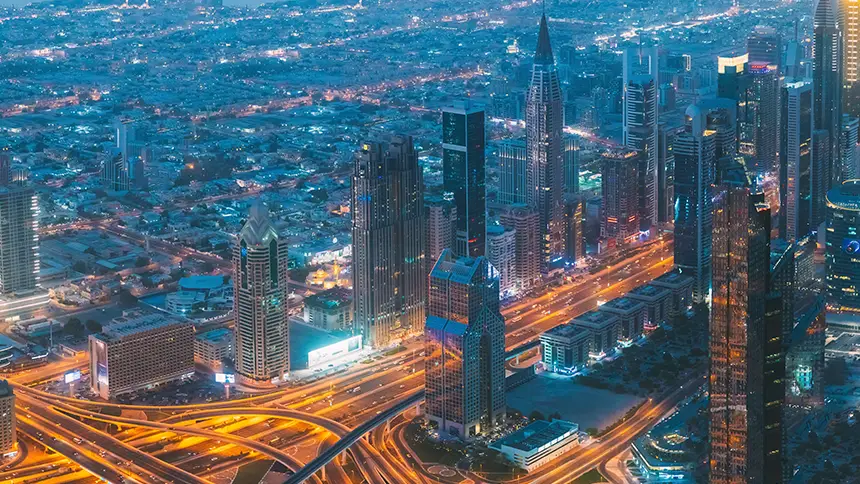
Dubai, one of the most futuristic cities in the world, has long been associated with oil wealth, towering skyscrapers, and luxury living. Yet, behind its glamorous exterior lies a bold commitment to sustainability. Like many other modern cities, Dubai faces the challenge of rising electricity and fuel demands, climate change, and environmental degradation. Instead of continuing to rely on fossil fuels, the emirate has embraced an ambitious journey toward sustainability.
The Dubai Green Energy Strategy 2050 is the driving force behind the city’s green transformation. Its goal is to make Dubai a global leader in sustainability, with 75% of its power coming from renewable sources by 2050. To reach this target, Dubai has launched major projects like solar parks, hydrogen production facilities, and waste-to-energy plants. These initiatives help to reduce dependency on oil and position Dubai as a role model for other nations seeking to transition toward sustainable power.
Why Dubai Chose Green Energy
Reducing Dependence on Fossil Fuels – Dubai’s own oil reserves are limited compared to Abu Dhabi’s. To secure its future, the city realized it must diversify power sources and reduce reliance on fossil fuels.
Meeting Rapidly Growing electricity and fuel Demands – With its booming population, massive infrastructure, and year-round cooling needs due to extreme heat, Dubai’s electricity demand is among the fastest-growing in the world. Renewable energy offers a sustainable way to meet these needs.
Climate Change and Environmental Concerns – Dubai is in a fragile desert ecosystem, already vulnerable to rising temperatures and water scarcity. By adopting renewable power, the city aims to lower greenhouse gas emissions and protect its environment.
Economic Diversification and Innovation – Green energy opens opportunities for new industries such as solar technology, hydrogen production, and clean transport. These projects create jobs, attract investments, and position Dubai as a hub for green innovation.
Global Leadership and Image – the emirate now wants to lead in sustainability. By championing sustainable power, Dubai sends a message that modern cities can be luxurious and environmentally responsible at the same time.
Long-Term Cost Savings – Solar is becoming one of the cheapest sources of power. Investing now ensures affordable electricity for future generations while reducing fuel imports.
Major Green Energy Projects in Dubai
Mohammed bin Rashid Al Maktoum Solar Park
The Mohammed bin Rashid Al Maktoum Solar Park, spread across a vast desert landscape, is the world’s largest single-site solar park. Launched in 2013 and developed in multiple phases, the project aims to reach a capacity of 5,000 megawatts (MW) by 2030, providing clean power to millions of residents. It uses a mix of technologies, including photovoltaic (PV) panels that capture sunlight during the day and concentrated solar power (CSP) systems that store heat energy to generate electricity even at night. Once fully operational, the solar park will reduce around 6.5 million tonnes of CO₂ emissions annually. More than just a power plant, it also serves as a hub for research, innovation, and training.
Shams Dubai Initiative
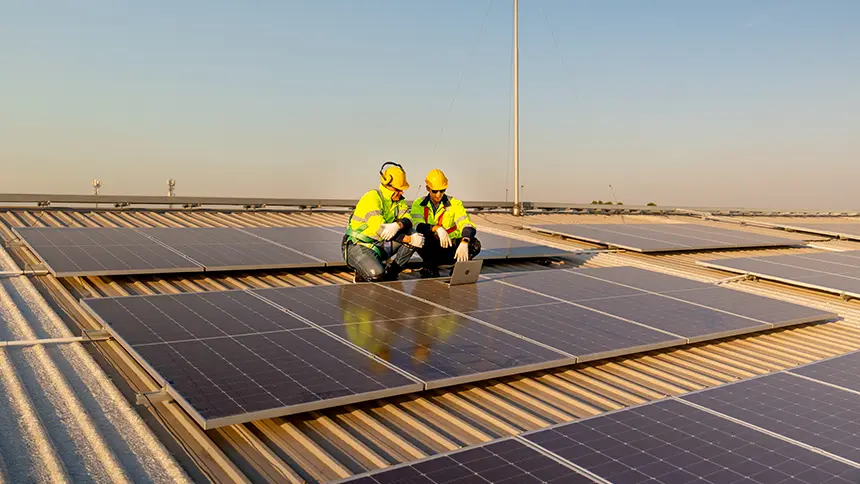
The Shams Dubai Initiative, launched by the Dubai Electricity and Water Authority (DEWA), empowers residents and businesses to generate electricity by installing rooftop solar panels. The electricity produced is first used on-site, with excess electricity sent back to the city’s grid. This not only reduces reliance on traditional power sources but also cuts emissions and promotes a culture of sustainability, with thousands of buildings already part of the transformation.
The Green Hydrogen Project
The Green Hydrogen Project, located at the Mohammed bin Rashid Solar Park, is the first initiative of its kind in the Middle East. It uses solar power to produce hydrogen fuel, offering a clean alternative to fossil fuels. The hydrogen produced has many uses, from powering cars and buses to supporting industries like steel and chemicals, and even storing power for future needs. This project not only highlights Dubai’s leadership in the global hydrogen economy but also supports the UAE’s wider vision of reducing reliance on oil and building a sustainable future.
Waste-to-Energy Projects
The Dubai Waste Management Center, now under development, will be the world’s largest waste-to-energy plant. It will convert municipal waste into electricity by burning it in a controlled process, where the heat creates steam for turbines. This project brings several benefits: reducing millions of tonnes of waste from landfills, generating enough power to supply thousands of homes, and cutting harmful methane emissions. Since the production of everyday waste is huge, the plant shows how the city is turning an environmental challenge into a smart source of renewable energy.
Dubai Clean Energy Strategy 2050
The Dubai Clean Energy Strategy 2050, launched in 2015, is the main plan guiding the city’s shift toward sustainability. It sets clear goals: 25% of Vital Force from clean sources by 2030 and 75% by 2050. To achieve this, the strategy focuses on expanding renewable projects like solar power, building smart grids for efficient distribution, creating advanced storage systems, and promoting green transport with electric vehicles and eco-friendly infrastructure. With this vision, the city stands out as one of the few cities in the world aiming for such ambitious clean energy targets.
Electric Mobility and Charging Infrastructure
The city understands that clean transport is important, which is why it is encouraging people to switch to electric vehicles. Through the DEWA Green Charger Initiative, the city has set up hundreds of EV charging stations to make it easier for residents and visitors to use electric and hybrid cars. This growing network is helping cut pollution from vehicles, one of the biggest sources of urban emissions. As EV adoption increases worldwide, Dubai is preparing its infrastructure to support a future where green mobility plays a major role.
Other Sustainability Projects
Along with big projects, the city is also working on other initiatives to support its clean energy goals. The Smart Dubai Initiative uses technology and data to track and improve electricity use in homes and businesses, making the city more efficient. To save even more power, we introduced district cooling systems, which provide power-efficient cooling for buildings, an important step in the city’s hot climate. At the same time, the city is investing in research and development centers that focus on renewable energy, new sustainable technologies, and future fuels. These efforts keep the emirate at the forefront of green innovation while preparing for future power needs.
Dubai’s journey toward renewable energy shows that sustainability is achievable anywhere, even in a desert city once built on oil wealth. What makes the city stand out is its comprehensive approach. It is not just building solar parks or hydrogen plants, but creating a complete ecosystem where clean power, sustainable living, and innovation go hand in hand. From rooftop solar panels and waste-to-energy facilities to electric mobility and smart infrastructure, citizens, businesses, and the government are all part of this green transformation.
Conclusion
Dubai’s choice to embrace renewable energy was a strategic decision shaped by necessity, vision, and opportunity. With limited oil reserves, rapidly growing electricity needs, climate challenges, and the desire to lead on the global stage, the emirate turned to green power as both a solution and an opportunity. By 2050, with 75% of its power expected to come from clean sources, this place will prove that even the hottest and driest regions can become champions of sustainability. Its story is not just about energy, it is about vision, innovation, and responsibility towards future generations.