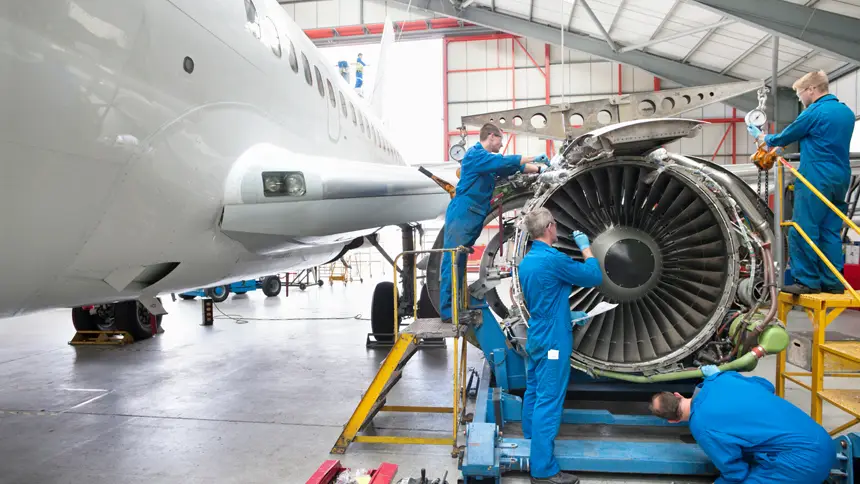
The aviation industry in the United Arab Emirates has expanded steadily over the last two decades. While most people notice the impressive airports, luxury cabins, and global routes, another part of the industry is rising quietly but powerfully: aviation maintenance and engineering. This field supports aircraft safety, efficiency, and reliability. It also creates jobs, attracts technology partners, and strengthens the country’s long-term economic plans. Today, the UAE is positioning itself as a regional and increasingly global hub for advanced aircraft services.
Why Aviation Maintenance Matters
Aviation maintenance is essential because every aircraft requires frequent checks, repairs, and system updates to operate safely. In the UAE, where millions of passengers travel each year, well-maintained aeroplanes support airlines, airports, and logistics services. Maintenance teams ensure aircraft safety, inspect mechanical and electronic systems, repair damaged parts, manage engines, update navigation tools, and improve overall performance, making this field a core part of the aviation ecosystem.
The UAE’s Strategic Focus on Aviation Engineering
The UAE is focusing strongly on engineering services as part of its plan to diversify the economy beyond oil and gas. This sector supports long-term growth by creating skilled jobs, attracting advanced technology, and strengthening international partnerships. With major airlines, a strategic location between continents, and ongoing investment in innovation, the country is well positioned to grow its aviation capabilities. As airports continue to expand, the need for reliable and professional maintenance services increases, making this field a key pillar of national development.
Major Organisations Driving Growth
Several companies and institutions are central to developing this sector. They build workshops, train workers, and collaborate with manufacturers worldwide.
Key players
- Etihad Engineering – Located in Abu Dhabi, known for heavy maintenance, cabin upgrades, and structural repairs.
- Emirates Engineering – Supports one of the world’s largest airline fleets and operates extensive workshops in Dubai.
- Dubai Aerospace Enterprise (DAE) – Provides leasing solutions and technical support.
- Sharjah-based Air Arabia Maintenance – Handles inspections for regional routes and smaller aircraft types.
- Training academies and aviation universities – Prepare technicians, engineers, and specialists.
These organisations help make the UAE a trusted name in global aviation services.
Advanced Technologies Shaping the Sector
The field is becoming more digital each year. The UAE adopts many of these technologies early, placing the country ahead of several competitors.
Key innovations
- AI-driven diagnostics – Smart tools detect issues before they turn into major problems.
- Robotics – Automated systems assist with inspections and repetitive tasks.
- 3D printing – Produces certain components faster and at lower cost.
- Digital twins – Virtual models show how parts behave under stress.
- Predictive maintenance – Uses real-time data to plan repair schedules.
- Sustainable materials – Lightweight elements help reduce fuel use.
These developments improve speed, accuracy, and cost efficiency, making the UAE an attractive service destination.
Economic Benefits for the UAE
A strong maintenance and engineering market brings financial rewards while strengthening other parts of the economy.
Direct Advantages
The aviation maintenance and engineering field brings several direct gains to the UAE economy. It creates high-skill jobs, supports local workshops, attracts investment from international manufacturers, and generates extra revenue for airports. The sector also encourages the growth of training academies that prepare future specialists.
Indirect Advantages
Beyond immediate financial returns, the industry strengthens tourism, expands cargo services, and enhances the country’s global reputation. It supports stronger supply chains and stimulates research and innovation. Since aircraft require constant care, this field provides steady and long-term economic stability.
Workforce and Skills Development
To lead in aviation engineering, the UAE needs trained professionals who understand modern aircraft technology. The government and private companies have launched programs to build a local talent pool.
Important skills
- Mechanical and electrical knowledge
- Understanding of safety rules
- Diagnostic and problem-solving abilities
- Familiarity with digital tools and smart systems
- Precision and attention to detail
- Strong teamwork and communication
Training initiatives
Various training initiatives in the UAE, such as aviation institutes offering engineering diplomas, university programs focused on aerospace, hands-on learning with major airlines, international certification courses, and government-funded technical scholarships, are helping develop a new generation of skilled specialists. Together, these programs ensure that future engineers meet global standards and can support the country’s growing aviation sector effectively.
Increasing Demand for MRO Services
The demand for MRO, Maintenance, Repair, and Overhaul services in the UAE is steadily rising as aviation activity expands. Growing airline fleets, the needs of low-cost carriers, increased cargo traffic, and the rapid use of private jets all contribute to the need for reliable technical support. Older aircraft require regular inspections, while newer models depend on specialised care due to their advanced systems. Combined with the UAE’s strategic location along major global routes, these factors make the country an ideal and convenient hub for MRO services.
Sustainability and Green Engineering Practices
Sustainability has become a vital part of modern aviation, and the UAE is integrating green engineering practices into its maintenance operations. Workshops are recycling materials, using energy-efficient equipment, installing low-emission components, reducing waste during repairs, and adopting digital tools to cut paper use. By supporting cleaner aircraft operations and lowering environmental impact, the country attracts airlines that value environmentally responsible partners.
Opportunities for Expansion
There are many opportunities for expansion in the UAE’s aviation maintenance sector, driven by innovation, global partnerships, and the rise of new service requirements. Potential growth areas include additional heavy-maintenance centres, expanded component repair facilities, and increased engine servicing capabilities. Collaboration with emerging aircraft manufacturers, support for electric and hybrid models, development of research labs, and the introduction of smart hangars equipped with sensors and AI all strengthen the sector. Together, these opportunities can help the UAE become one of the world’s leading destinations for advanced aircraft services.
The Role of Free Zones and Infrastructure
Aviation-focused free zones in the UAE play an important role by offering tax benefits, streamlined licensing, and convenient access to major airports. With smooth customs processes, strong digital systems, direct runway access, ample space for hangars, and modern logistics support, these zones make operations easier for businesses. This supportive environment reduces barriers and encourages international companies to establish long-term bases in the country.
Future Outlook
The future of aviation maintenance in the UAE appears highly promising, supported by strong investment, advanced technology, skilled training, and clear long-term planning. As global air travel continues to expand, the demand for dependable engineering services will increase. The sector is expected to see more international partnerships, wider use of AI and automation, additional specialised training, greater sustainability efforts, and expanded services for new aircraft models. With regional airlines also seeking quicker turnaround times, these trends point toward steady and positive growth for the industry.
Conclusion
Aviation maintenance and engineering is becoming one of the UAE’s strongest business fields. It supports national airlines, creates skilled jobs, encourages technology development, and helps diversify the economy. The country’s location, investment in innovation, and commitment to quality allow this sector to grow quickly. As the aviation world becomes more advanced, the UAE is ready to serve as a leading centre for aircraft care. With smart planning and continuous improvement, the industry will keep expanding and supporting the country’s long-term goals.