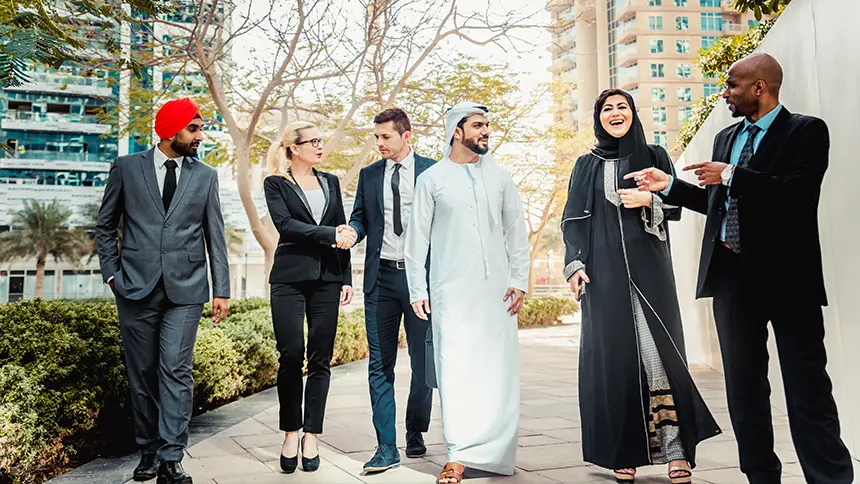
Fujairah, one of the seven emirates of the United Arab Emirates, stands out for its distinctive blend of tradition, heritage, and modern development. Unlike the bustling urban centres of other emirates, Fujairah preserves a slower, more grounded way of life where cultural values are deeply woven into everyday routines. From close-knit family structures and respect for elders to religious observances and community interactions, these values shape how residents live, work, and socialise. Daily life reflects a balance between honouring centuries-old customs and embracing modern conveniences, offering a lifestyle that is both rooted in history and open to progress. Exploring these cultural influences provides a window into the unique rhythm, priorities, and identity of Fujairah’s people, revealing how heritage and modernity coexist harmoniously in this coastal emirate.
Family as the Core of Society
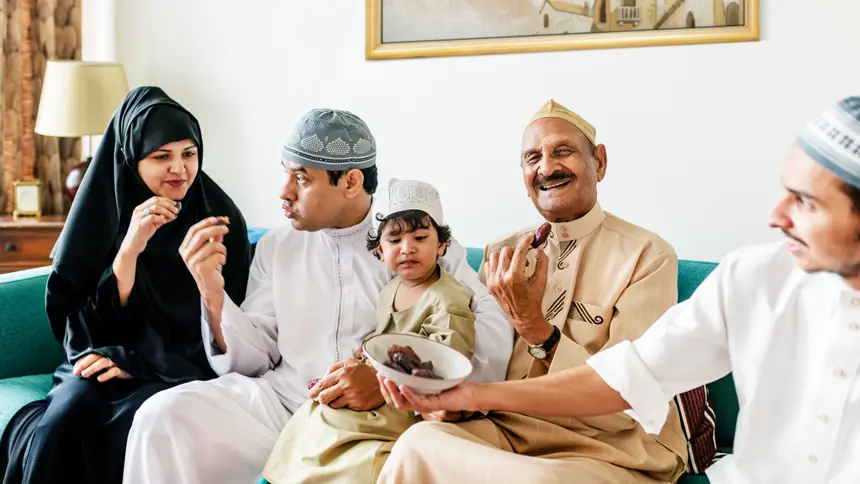
In Fujairah, family forms the foundation of social life. Strong ties among relatives shape behaviour, decisions, and daily routines. Many households include extended family members, and showing respect for elders is considered essential. Families often organise meals, gatherings, and celebrations around their schedules, fostering togetherness. Elders play a key role in guiding important choices, such as education, marriage, and careers, while relatives provide emotional and financial support during significant life events like births, weddings, or illnesses.
Religious Beliefs Guiding Life
Islam deeply influences daily routines and social interactions in Fujairah. Practices such as the five daily prayers structure the day for many residents, while Ramadan emphasises fasting, charity, and evening gatherings that strengthen community bonds. Festivals like Eid bring families and neighbours together, reinforcing relationships and cultural identity. Religious values also guide personal conduct, highlighting honesty, respect, and generosity in both private and professional life.
Hospitality and Social Etiquette
Hospitality is a defining trait in Fujairah. Welcoming guests and showing respect to visitors are not just traditions but essential parts of social identity.
Key practices
- Serving traditional meals: Dishes like machboos or dates with Arabic coffee symbolise respect.
- Invitations: Hosting relatives, friends, or neighbours is a common practice to maintain strong ties.
- Greetings: Handshakes or polite nods, and phrases like “As-salamu alaykum” reflect warmth.
- Respect for privacy: While hospitable, people also value personal space and boundaries.
Work and Community Ethics
Fujairah’s cultural values extend into professional and communal life. People prioritise honesty, hard work, and fairness, reflecting both Islamic and local moral teachings.
Features of work culture
- Punctuality and diligence: Commitment to tasks and reliability are highly regarded.
- Community involvement: Volunteering and participation in social initiatives are encouraged.
- Mentorship: Experienced individuals guide younger members in trades, businesses, and educational pursuits.
- Ethical behaviour: Integrity in business and cooperation with colleagues are essential.
Respect for Tradition and Heritage
Traditional practices, clothing, and arts remain important in daily life. Fujairah balances modernisation with a strong sense of identity rooted in its past.
Cultural elements preserved in daily routines
- Traditional attire: Men often wear kanduras while women may choose abayas or modest clothing reflecting local customs.
- Crafts and arts: Activities like weaving, pottery, and calligraphy are celebrated.
- Oral history: Stories, proverbs, and poetry are shared among families and during gatherings.
- Architecture: Many homes and public buildings feature designs inspired by historic styles, blending functionality with cultural expression.
Education and Learning
Education holds a prominent place in Fujairah, blending academic knowledge with cultural and moral teachings. Schools and families emphasise not only intellectual development but also values such as respect, discipline, and social responsibility. Arabic, the primary language, reinforces identity and effective communication, while cultural centres offer courses in traditional arts, history, and religion to keep heritage alive. Extracurricular activities, including sports, arts, and social clubs, further encourage teamwork and cultural awareness, helping students grow in both skill and character.
Leisure and Recreation
Leisure in Fujairah reflects cultural values, with family, religion, and tradition at its core. Many families enjoy beach outings, spending time together picnicking, swimming, or relaxing along the coastline. Traditional sports such as camel racing, falconry, and horse riding are preserved as a link to heritage. Social gatherings, including weddings, festivals, and public ceremonies, strengthen communal bonds, while excursions into mountains and wadis provide opportunities to connect with nature and enjoy outdoor activities.
Food and Dining Habits
Cuisine in Fujairah reflects cultural heritage and social etiquette. Sharing meals is both a daily practice and a gesture of hospitality.
Cultural dining features
- Shared meals: Food is often eaten communally, symbolising unity.
- Local ingredients: Dates, rice, fish, and spices are staples.
- Ceremonial dishes: Special recipes are prepared for festivals, weddings, and family gatherings.
- Etiquette: Meals are consumed with the right hand, respecting traditional norms.
Gender Roles and Community Life
Although Fujairah is undergoing rapid modernisation, traditional gender roles continue to shape daily routines and social behaviour. Within families, women often take primary responsibility for household duties, while men focus on work outside the home. Both genders, however, are increasingly pursuing education and professional careers, reflecting a gradual shift toward greater equality. Social interactions in public spaces remain guided by values of respect, modesty, and cultural expectations. Community events, such as weddings, festivals, and local gatherings, often maintain gender-specific spaces or roles, though flexibility is slowly increasing, allowing for broader participation by all members of society.
Balancing Modernity with Tradition
Fujairah exemplifies how cultural values can adapt alongside contemporary lifestyles. Modern technology, urban development, and global influences coexist with long-standing traditions, creating a harmonious blend of old and new. Residents enjoy modern amenities such as smart homes and infrastructure while still preserving architectural styles that reflect heritage. Digital education platforms complement conventional learning, and cultural tourism—including museums, heritage sites, and festivals—showcases local identity to visitors. Even as international careers and global businesses grow, they operate alongside traditional enterprises, maintaining economic progress while respecting cultural norms and community values.
Conclusion
The daily life of people in Fujairah is deeply influenced by cultural values. Family, religion, hospitality, respect for tradition, and ethical conduct shape routines, relationships, and choices. Even as modernisation continues, these values provide a foundation for harmony, identity, and community strength. Understanding Fujairah’s cultural fabric allows one to appreciate how daily actions—from family meals to professional behaviour—reflect centuries of heritage. Life here is a balance of respecting the past while engaging with the present, creating a unique rhythm that blends tradition and progress.