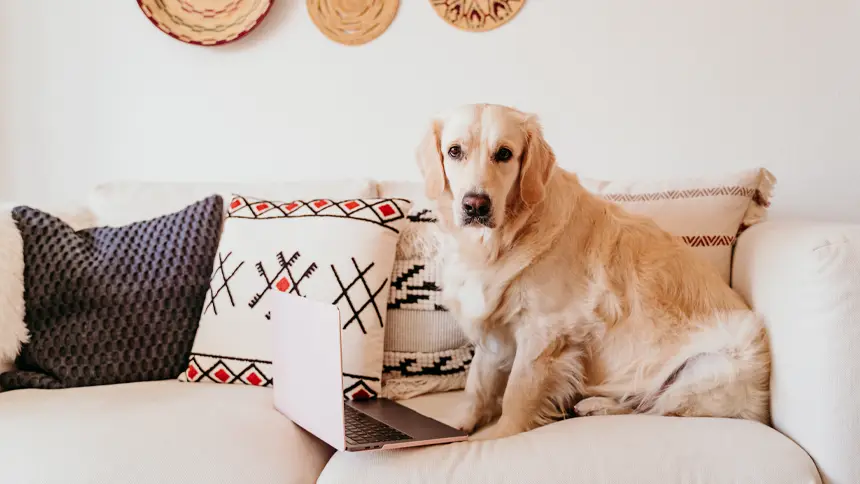
Ajman is changing in many quiet but meaningful ways. One strong shift is the growing acceptance of pets in homes, apartments, and shared communities. In earlier years, animal ownership was limited due to space, rules, and lack of facilities. Today, many residents see animals as family members, not just companions. This change is shaping how homes are built, managed, and promoted. Pet-friendly living spaces are becoming more common across the emirate, especially among young families and working professionals.
Changing Attitudes Toward Pets
People in Ajman are showing a more caring and positive attitude toward animals. Cultural awareness, exposure to international lifestyles, and the influence of social media have strongly shaped this change. Many residents now understand that caring for animals offers emotional comfort, teaches responsibility, and adds joy to daily life. Pets are increasingly viewed as valued companions rather than added burdens. Growing concern for animal welfare, shared experiences online, and the mindset of younger generations have all helped create this shift, leading to higher demand for homes where animals are accepted.
Urban Growth and Housing Demand
Ajman has experienced steady population growth, which has increased the need for diverse and flexible housing options. Families, individuals, and couples are all looking for living spaces that reflect modern lifestyles. As animal ownership becomes more common, residents naturally prefer homes that welcome pets. Homeowners and developers are responding by offering flexible rental terms, setting clear guidelines instead of strict bans, and adding features that support animal care. Urban development is now evolving to consider the comfort of both residents and their animal companions, creating more balanced and inclusive living environments.
Role of Property Developers
Real estate developers play a big role in shaping living trends. In Ajman, many builders are adjusting designs to suit animal owners.
New projects often include features that make daily life easier for residents with pets. These changes are not only practical but also attractive for marketing.
Common design additions
- Durable flooring that resists scratches
- Easy-to-clean surfaces
- Small outdoor areas or balconies
- Sound-reducing walls to limit noise issues
By adding these features, developers appeal to a wider audience.
Apartment Living and Animal Inclusion
Apartments were once widely seen as unsuitable spaces for animals, particularly larger breeds, due to concerns about noise, space, and shared facilities. This perception is gradually changing in Ajman as responsible ownership becomes more common. With clear rules and proper management, shared residential buildings can successfully support animal care. Many apartment complexes now permit pets under specific conditions designed to maintain harmony among residents. These guidelines often include limits on size or breed, mandatory registration with building management, leash use in common areas, and strict cleanliness responsibilities. Such measures help create a balance between personal freedom and community order.
Community Spaces and Shared Areas
Modern residential life extends beyond private living units, placing greater importance on shared spaces. In pet-friendly communities, these areas are thoughtfully planned to support both residents and their animals. Many housing developments now include walking paths, shaded zones, and small play areas where animals can move freely and safely. These shared spaces encourage physical activity, help residents connect with neighbours, and reduce stress for animals through regular exercise and interaction. By fostering a sense of belonging and social comfort, well-designed communal areas significantly enhance the overall quality of life.
Influence of Young Residents and Families
Young adults and families are major drivers of this lifestyle shift. Many couples choose to adopt animals before having children. Others see pets as part of family life. This group values comfort, flexibility, and emotional well-being. They often prefer homes that reflect these values.
Key preferences among younger residents:
- Open layouts for movement
- Nearby veterinary services
- Access to outdoor spaces
- Supportive building policies
Their choices influence market trends strongly.
Support Services Growing in Ajman
Pet-friendly housing works best when support services are nearby. Ajman has seen growth in related businesses that support this lifestyle. These services make animal care easier and more accessible.
Examples
- Veterinary clinics
- Grooming centres
- Pet supply stores
- Training services
As these services expand, confidence in animal ownership increases.
Health and Emotional Benefits
Living with animals offers many health benefits. Studies show that pets can reduce stress, improve their mood, and encourage routine. In a fast-paced world, these benefits matter greatly. Residents appreciate the calm and comfort animals bring after long workdays.
Lifestyle advantages
- Improved mental balance
- Encouragement of daily walks
- Reduced loneliness
- Better emotional connection
Homes that allow animals support healthier living.
Economic Benefits for Property Owners
Pet-friendly housing offers clear advantages not only for residents but also for property owners. Homes that allow animals often attract higher interest in the rental market, as many tenants actively search for such options. These units tend to enjoy longer rental periods, as tenants are less likely to move once they find a supportive environment. Allowing pets also encourages strong tenant loyalty and positive recommendations, which further increase demand. By welcoming animals, homeowners often attract responsible residents who value stability and long-term living arrangements.
Rules and Responsible Ownership
Allowing pets does not mean ignoring structure or discipline. Responsible ownership plays a key role in maintaining harmony within shared living spaces. Most residential buildings introduce clear guidelines to ensure safety, hygiene, and mutual respect. Expectations such as regular vaccinations, noise control, cleanliness in common areas, and consideration for neighbours help protect both animal owners and non-owners. When these rules are followed, shared living environments remain calm, respectful, and well-managed.
Environmental and Design Awareness
Modern housing design is becoming more conscious of how built spaces affect both people and animals. Elements such as natural light, proper ventilation, and safe construction materials are now seen as essential. Sustainable design choices further support pet-friendly living by promoting healthier surroundings. The use of non-toxic finishes, inclusion of green areas, effective waste systems, and energy-efficient layouts reflects a growing commitment to responsible and modern living values.
Cultural Acceptance and Social Harmony
Ajman’s diverse population has encouraged greater respect for different lifestyles and personal choices. Pet-friendly living supports this sense of inclusion by helping residents from various backgrounds feel comfortable in their communities. Shared understanding and clear boundaries reduce conflict and promote cooperation. As tolerance increases, communication among residents improves, leading to stronger neighbourhood relationships and a more connected social environment.
Challenges and Considerations
Even with growing acceptance, certain challenges remain in pet-friendly communities. Some residents may have concerns related to noise, allergies, or personal comfort around animals. Addressing these issues requires thoughtful planning and open communication. Designated animal areas, education on responsible care, clear building rules, and fair enforcement help maintain balance. When concerns are handled carefully, potential conflicts can be minimised.
Future Outlook for Ajman
The move toward pet-friendly housing in Ajman is expected to continue as awareness and demand grow. The emirate’s relaxed pace of life, affordability, and strong community values make it well suited for this lifestyle. Future residential projects may include dedicated animal parks, more inclusive housing regulations, and integrated service zones that support animal care. These developments are likely to shape more balanced and comfortable living standards in the years ahead.
Conclusion
The rise of pet-friendly living spaces in Ajman reflects a deeper lifestyle shift. Residents now value emotional well-being, companionship, and balanced living. Developers, homeowners, and communities are responding to this demand with thoughtful design and fair rules. This trend supports healthier routines, stronger connections, and inclusive neighbourhoods. With responsible ownership and smart planning, animal-friendly housing benefits everyone.