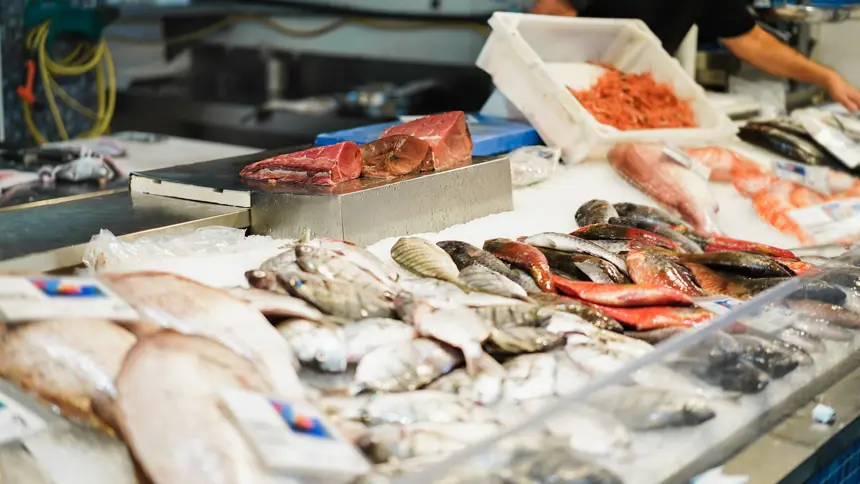
Fujairah plays a vital role in the United Arab Emirates’ coastal economy. Located along the eastern shoreline, this emirate faces the Gulf of Oman rather than the Arabian Gulf. This unique position has shaped its commercial activities for decades. Among all sectors, fishing and sea-based trade remain deeply connected to local life and income generation. These activities are not only traditional but also increasingly modern and business-focused. Marine industries in Fujairah support employment, food supply, exports, logistics, and tourism. With government backing and private investment, the sector continues to grow while balancing environmental responsibility. This article explores how fishing and ocean-related enterprises contribute to economic development, sustainability, and future opportunities.
Fujairah’s Coastal Advantage
Fujairah’s geography gives it a strong natural edge in maritime trade and aquatic production. The coastline stretches for many kilometres and offers direct access to deep waters.
Key benefits
- Open sea access throughout the year
- Rich aquatic biodiversity
- Natural harbours and sheltered bays
- Strategic location outside busy Gulf shipping routes
These features allow marine enterprises to operate efficiently while avoiding congestion seen in other regions. As a result, investors find Fujairah attractive for sea-based ventures.
Traditional Fishing Practices
Fishing has been part of Fujairah’s culture for generations. Long before modern ports existed, local families relied on the ocean for survival. Even today, small-scale fishing remains active.
Common traditional methods
- Wooden boats known as dhows
- Hand lines and nets
- Early morning departures
- Coastal catch collection
Popular species harvested include tuna, kingfish, sardines, snapper, and shrimp. Many families sell fresh catch directly at markets, maintaining a strong link between producers and consumers.
Commercial Fishing Operations
Alongside small fishermen, commercial ventures have expanded rapidly. These businesses use advanced tools and larger vessels to increase output while following legal guidelines.
Modern fishing firms benefit from:
- Motorised boats
- Cold storage systems
- Navigation technology
- Licenced harvesting zones
These improvements ensure better safety, higher yield, and consistent quality. Commercial fishing now supplies supermarkets, restaurants, hotels, and export channels across the UAE.
Fish Markets and Trading Centres
Seafood trading plays an important role in Fujairah’s business environment. Fish markets function as central meeting points where sellers, buyers, and transport operators connect every day. These markets operate through organised systems such as auction-based pricing, quality inspection, ice preservation, and separate wholesale and retail sections. Such facilities help maintain freshness while ensuring transparent and fair trade. Many traders purchase seafood early in the morning and distribute it across nearby emirates, supporting regional supply chains.
Aquaculture and Fish Farming
To reduce pressure on natural marine resources, aquaculture has developed as a reliable alternative. Fish farming allows controlled production in ponds, offshore cages, or specialised tanks. This method ensures steady supply, limits overharvesting, and enables controlled feeding and disease monitoring. Fujairah’s calm coastal areas provide suitable conditions for marine farming projects, where species like seabream, grouper, and shellfish are increasingly produced for local consumption.
Seafood Processing and Packaging
Value-added services play a major role in increasing income beyond fishing activities. Seafood processing units clean, cut, freeze, and package marine products to meet market demand. These businesses provide filleting, vacuum sealing, frozen storage, and ready-to-cook options. Such operations extend shelf life and meet international quality standards, allowing packaged seafood from Fujairah to reach hotels, airline kitchens, and overseas markets.
Export and International Trade
Marine exports contribute significantly to Fujairah’s economic growth. The emirate benefits from modern port infrastructure that supports efficient shipping to global destinations. Close access to open waters, advanced port terminals, reduced transit time, and efficient customs handling strengthen export operations. Fish products from Fujairah are supplied to markets in Asia, Africa, and Europe, with exporters following strict health regulations to maintain international trust.
Fujairah Port and Marine Logistics
Fujairah Port is one of the UAE’s most important maritime facilities. While widely known for fuel storage, it also plays a key role in supporting fishing fleets and marine supply businesses. The port provides services such as vessel docking, equipment loading, fuel supply, and maintenance support. These facilities reduce operational delays for fishing companies and attract related industries, including ship repair and cold chain logistics.
Boat Building and Maintenance Services
Marine-related businesses in Fujairah extend beyond fishing and trade. Boat construction and maintenance workshops support the entire maritime sector by keeping vessels in working condition. Services such as hull repair, engine maintenance, net replacement, and safety equipment installation are widely available. Local craftspeople combine traditional skills with modern techniques, creating employment opportunities while ensuring fleet reliability and safety.
Marine Equipment and Supply Businesses
Fishing operations depend on specialised tools. Equipment suppliers play a key role by providing essential materials.
Products commonly sold
- Nets and ropes
- Navigation devices
- Ice machines
- Protective gear
Retailers and wholesalers support both small operators and large firms. Reliable supply chains strengthen daily marine activity.
Government Support and Regulation
Authorities in Fujairah actively support marine industries while ensuring sustainability through clear regulations. Government involvement includes issuing fishing licences, enforcing seasonal restrictions, setting gear limitations, and offering training programs for workers. Financial support in the form of subsidies and grants encourages responsible practices and modern methods. These combined efforts help balance economic growth with environmental protection, ensuring the sector remains viable in the long term.
Sustainability and Environmental Responsibility
Protecting marine ecosystems is a key priority in Fujairah’s coastal development. Challenges such as overfishing, pollution, and climate change require careful management. Sustainable initiatives include catch size limits, designated protected marine zones, waste reduction programs, and awareness campaigns for industry participants. Many businesses now adopt eco-friendly approaches, helping ensure that ocean resources remain available for future generations.
Employment and Community Impact
Marine enterprises provide employment across a wide range of skill levels, from fishing crews to technical and logistics roles. Jobs are created in areas such as fish harvesting, market trading, seafood processing, and transport services. These opportunities strengthen coastal communities, preserve cultural traditions, and support local economies. Income from marine-related work contributes directly to household stability and regional commerce.
Challenges Facing the Sector
Despite steady growth, marine businesses in Fujairah face several challenges that demand strategic planning and innovation. Rising operational costs, increasing environmental pressures, strong market competition, and unpredictable weather conditions affect daily operations. Addressing these concerns requires close cooperation between business owners, government authorities, and research institutions to develop resilient solutions.
Future Growth Opportunities
The outlook for marine commerce in Fujairah remains positive, driven by innovation, investment, and technology. Future growth opportunities include the adoption of smart fishing technologies, expansion of aquaculture projects, development of marine tourism services, and increased focus on sustainable export products. With careful planning and responsible management, the sector can continue to grow while protecting valuable natural resources.
Conclusion
Fisheries and marine-related businesses form a strong foundation of Fujairah’s economy. From traditional fishing to modern logistics, the sector blends heritage with progress. Coastal advantages, supportive policies, and growing demand create steady opportunities for entrepreneurs and workers alike. By focusing on sustainability, quality, and innovation, Fujairah can strengthen its position as a leading marine business hub. These ocean-based industries not only support economic growth but also preserve a way of life deeply tied to the sea.