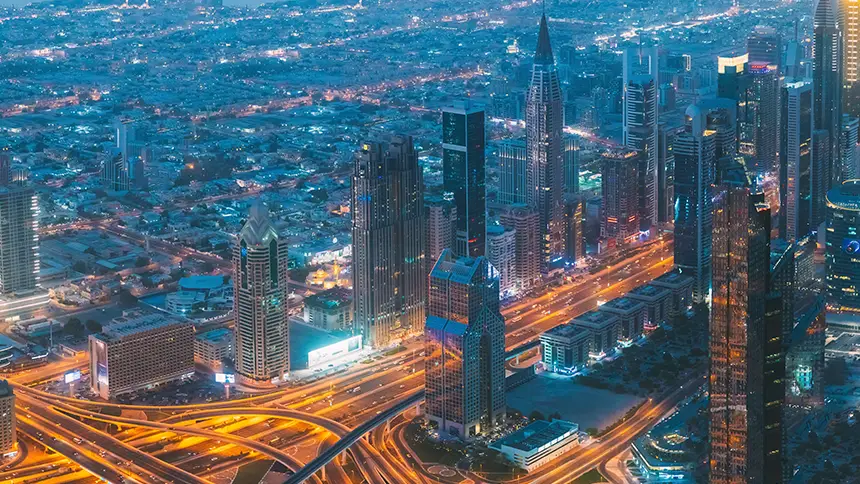
Sharjah, one of the most dynamic emirates in the United Arab Emirates, is widely recognised as a major centre for wholesale and trade-related activities. Its strategic location between Dubai and Ajman, along with excellent road networks and access to key ports such as Port Khalid, makes it ideal for business and commercial exchange. The emirate hosts numerous free zones, warehouses, and markets, providing opportunities for local and international traders. Popular wholesale goods include textiles, electronics, food products, construction materials, and household items. The city’s business-friendly policies, affordable operational costs, and simplified licensing processes attract entrepreneurs and investors from across the globe. In addition, the region supports both traditional markets and modern e-commerce business platforms, allowing companies to reach customers quickly and efficiently. With its strong infrastructure, skilled workforce, and growing international trade connections, the emirate continues to strengthen its reputation as the heart of the UAE’s wholesale and Trading industry.
Why Sharjah is a Trading Powerhouse
The emirate has earned its reputation as one of the UAE’s leading commercial hubs due to its strategic location, excellent infrastructure, and business-friendly environment. Located between Dubai and Ajman, the region offers easy access to major highways, connecting traders to key markets across the UAE. It is also close to important ports such as Port Khalid and the Sharjah Airport International Free Zone, making import and export activities faster and more efficient.
Business-friendly policies, including simplified licensing procedures, low operational costs, and tax incentives, attract both local and international traders. The area’s markets are diverse, offering a wide range of wholesale goods including textiles, electronics, food products, construction materials, and household items. In addition, the business hub supports both traditional markets and modern commercial centres, enabling small and large businesses to thrive. These advantages make the emirate a major powerhouse in the UAE’s wholesale and Trading industry.
Major Wholesale Markets
Central Market
Central Market is one of the oldest and busiest markets in the emirate. It is famous for textiles, clothing, and traditional local goods. Traders from across the UAE visit the market to buy wholesale items at competitive prices. The market also offers a wide variety of fabrics, shoes, and accessories, making it a key destination for retailers and small businesses involved in commercial sales.
Industrial Areas & Free Zones
The industrial areas and free zones are designed for large-scale business operations and warehousing. They host hundreds of companies dealing in import, export, and bulk distribution. These areas provide facilities such as storage units, office spaces, and easy transport links, helping businesses operate efficiently and reach customers quickly across the UAE and beyond.
Fruit and Vegetable Market
The Fruit and Vegetable Market is a major hub for fresh produce. Retailers from across the country visit daily to buy fruits, vegetables, and herbs in bulk. The market ensures quality products at affordable prices, supporting local farmers and suppliers while strengthening nationwide trade networks.
Electronics and Machinery Market
The Electronics and Machinery Market supplies a wide range of gadgets, tools, and industrial equipment. It caters to both small businesses and large industries, offering competitive prices and a variety of products. The market is essential for professionals involved in electronics supply and equipment distribution, helping strengthen the city’s role in the UAE’s wholesale Trading sector.
Types of Trading Activities
The emirate hosts a wide variety of business activities, making it one of the most important commercial centres in the UAE. Import and export operations are a major part of the economy, handling goods from Asia, Europe, and the Middle East. These activities allow suppliers to bring in products like electronics, textiles, food items, and construction materials, supporting markets across the country and beyond. Retail and bulk distribution are also very active, as suppliers provide supermarkets, shops, and small businesses with wholesale goods at competitive prices.
In recent years, online wholesale commerce has become popular, with e-commerce platforms connecting local traders to clients around the world, enabling faster and more efficient business. Additionally, specialised commodities exchange focusses on key sectors such as textiles, building materials, and electronic equipment. Together, these activities make the emirate a thriving hub for both local and international Trading.
Benefits of Setting Up a Trading Business
This region offers many advantages for entrepreneurs and investors who want to start a commercial venture. One of the biggest benefits is lower operational costs compared to Dubai or Abu Dhabi, which makes it easier for small and medium businesses to grow. The emirate also has several free zones, where companies can enjoy 100% foreign ownership, tax incentives, and simplified licensing processes. The area’s efficient logistics network, including highways, ports, and warehousing facilities, ensures faster and smoother supply chain management for companies involved in Trading.
In addition, businesses have access to a large pool of skilled labour and experienced professionals, which helps them operate effectively and expand quickly. Combined with a supportive business environment and growing international trade links, these benefits make the region an ideal location for anyone looking to establish a successful wholesale or Trading business in the UAE.
Emerging Trends in the Wholesale Market
The emirate’s wholesale market is evolving rapidly, driven by modern trends and changing consumer demands. One of the biggest changes is the rise of e-commerce and digital business platforms, which allow companies to sell products online and reach customers not just in the UAE, but across the world. There is also a growing demand for imported goods and specialty products, including luxury textiles, organic foods, and advanced electronics, as retailers and consumers look for unique and high-quality items.
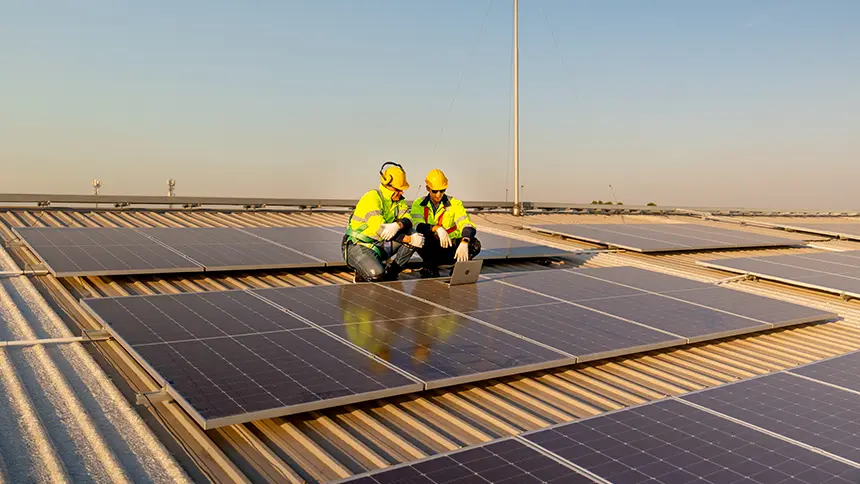
Another important trend is the focus on sustainable and eco-friendly commercial practices. Many wholesalers are adopting environmentally friendly packaging, energy-efficient storage, and ethical sourcing of products to meet global standards. These trends show that the region is not only a traditional wholesale hub but also a modern marketplace adapting to international Trading practices, technology, and sustainability.
Conclusion
Sharjah has firmly established itself as the heart of the UAE’s wholesale and Trading industry, combining tradition with modern business practices. Its strategic location between Dubai and Ajman, combined with excellent road networks, ports, and free zones, makes it a convenient and efficient hub for both local and international traders. The emirate’s business-friendly policies, including simplified licensing, tax incentives, and support for foreign investors, encourage entrepreneurs to set up and grow their businesses. The city’s diverse wholesale markets, from textiles and electronics to fresh produce and industrial goods, cater to a wide range of needs and industries. Emerging trends like e-commerce, speciality product exchange, and sustainable practices are further strengthening its role in the global Trading landscape. With lower operational costs, skilled labour, and robust logistics, the region continues to provide opportunities for growth, innovation, and success.