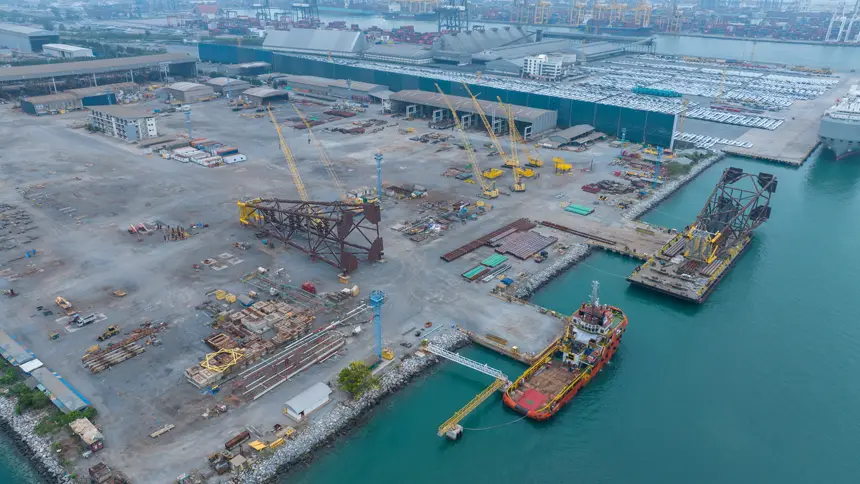
Ras Al-Khaimah (RAK), one of the seven emirates of the United Arab Emirates, is rapidly growing as an important hub for international trade. Its ports are strategically located near major shipping routes that connect Asia, Europe, and Africa, making it easier and faster to import and export goods. These harbour facilities handle a wide range of products, including construction materials, ceramics, minerals, and manufactured goods, supporting local industries and small businesses. Modern docking terminals, such as well-equipped cargo areas, efficient customs services, and excellent road connections to industrial zones, make the emirate highly reliable for global commerce. By attracting foreign investment and creating jobs, the shipping centres contribute significantly to the local economy. In addition, they strengthen the UAE’s position as a key trading nation in the Middle East. These maritime gateways not only facilitate business exchanges but also play a vital role in economic growth, industrial development, and global connectivity.
Strategic Location Supporting Global Trade
Ras Al-Khaimah ports have a very important strategic location that makes them a key part of international trade. They are situated close to major shipping routes that connect Asia, Europe, and Africa, which means goods can move quickly and efficiently across continents. This prime location helps reduce shipping time and lowers transportation costs, making business operations easier and more affordable for companies in the UAE and around the world. The docking facilities also offer excellent connectivity to regional markets, allowing goods to reach nearby countries in the Gulf and Middle East without delays.
In addition, the maritime terminals are linked to well-developed road networks and industrial areas, which support fast delivery of raw materials and finished products. Many industries, such as construction, ceramics, and manufacturing, benefit from this convenient location. The shipping hubs’ strategic position also attracts international shipping companies and foreign investors, further strengthening the emirate’s economy. Overall, the geographical advantage of these commercial gateways plays a crucial role in promoting global commerce, economic growth, and regional development.
Supporting Industrial and Commercial Growth
The logistics centres in Ras Al-Khaimah play a vital role in supporting the industrial and commercial growth of the emirate. By efficiently handling the import of raw materials and the export of finished products, these facilities help local industries operate smoothly and meet the demands of international markets. Many sectors benefit from this, including manufacturing and industrial production, which rely on timely deliveries of machinery, metals, and other essential materials. Construction materials and cement are also transported through the ports, supporting the rapid development of infrastructure projects within the emirate and beyond.
The ceramics and minerals industry, known for high-quality products, depends heavily on these harbours to reach customers around the world. In addition, small and medium-sized enterprises (SMEs) involved in commercial activities gain a competitive advantage because the shipping facilities offer cost-effective transportation and easy access to global markets. Modern infrastructure, such as advanced cargo handling systems, secure storage areas, and streamlined customs procedures, makes these maritime centres highly efficient and reliable. By connecting local businesses with international business networks, they not only boost industrial productivity but also attract foreign investment and create job opportunities, contributing to the overall economic growth of Ras Al-Khaimah.
Efficient Infrastructure and Logistics Facilities
The trade terminals are known for their modern infrastructure and advanced logistics facilities, which make them highly efficient and reliable for international trade. The docking facilities have well-maintained berths and cargo terminals that can handle large volumes of goods, ensuring smooth operations for both importers and exporters. Advanced loading and unloading equipment helps reduce waiting times for ships, making the transport process faster and more cost-effective. In addition, strong road connectivity links the ports directly to industrial zones and commercial areas, allowing goods to be transported quickly to factories, warehouses, and markets across the emirate and neighbouring countries.
Efficient customs and port services further streamline business operations, making paperwork and inspections quicker while maintaining security and compliance with international standards. These facilities support a wide range of industries, including manufacturing, construction, ceramics, and minerals, by providing reliable access to raw materials and enabling the export of finished products. By combining modern infrastructure with effective logistics, the maritime terminals play a crucial role in strengthening the emirate’s economy, attracting foreign investment, and enhancing its reputation as a key trading hub in the Middle East.
Boosting International Trade and Investment
The harbour facilities play a key role in boosting international trade and attracting investment by providing reliable logistics solutions and a business-friendly environment. The modern facilities, efficient customs services, and excellent connectivity make it easier for companies to import raw materials and export finished products quickly and safely. As a result, export and import activities have increased significantly, allowing local businesses to reach customers in Asia, Europe, Africa, and beyond. The shipping hubs also attract foreign direct investment (FDI), as international companies see Ras Al-Khaimah as a strategic location for expanding their commercial operations.
This investment helps to strengthen local industries and supports economic growth in the emirate. In addition, the growth of business exchanges and industrial activities creates employment opportunities for skilled and unskilled workers in shipping, logistics, manufacturing, and administration. By providing efficient services and fostering international partnerships, the maritime gateways have enhanced the emirate’s reputation as a reliable and competitive trading hub. Overall, these logistics centres not only support local businesses but also strengthen the UAE’s position in the global market network, contributing to long-term economic development and prosperity.
Contribution to the UAE’s Trade Network
The docking terminals play an important role in the UAE’s national trade network by complementing the country’s overall infrastructure and supporting balanced economic growth. These facilities enhance the UAE’s global commerce connectivity by linking local industries to international markets in Asia, Europe, and Africa. By facilitating the smooth movement of goods, they help strengthen regional supply chains, ensuring that raw materials, components, and finished products reach manufacturers, distributors, and consumers quickly and efficiently. This is particularly important for industries such as construction, ceramics, manufacturing, and minerals, which rely on timely imports and exports to remain competitive.
In addition, the trade centres contribute to sustainable and diversified economic development by attracting foreign investment, creating jobs, and encouraging growth in multiple sectors beyond oil and gas. Their modern infrastructure, advanced logistics facilities, and efficient customs procedures ensure that the maritime terminals operate reliably and meet international standards, which further reinforces the UAE’s reputation as a global trading hub. Overall, the contribution of these shipping facilities is essential for boosting business exchanges, supporting industrial development, and promoting long-term economic prosperity across the United Arab Emirates.
Conclusion
Ras Al-Khaimah ports are a crucial part of the UAE’s international trade network, linking local industries with markets across Asia, Europe, Africa, and beyond. By providing modern infrastructure, efficient cargo handling, and strong connectivity to industrial zones, these maritime centres support the smooth import of raw materials and the export of finished goods. This not only helps manufacturing, construction, ceramics, and other industries to grow but also encourages small and medium-sized businesses to expand internationally. The shipping hubs attract foreign investment, create employment opportunities, and strengthen the emirate’s reputation as a reliable trading hub. Additionally, by supporting regional supply chains and promoting diversified economic development, the trade terminals contribute to the UAE’s long-term economic stability. With ongoing development and continued improvements in logistics and services, these harbour facilities are set to remain key drivers of business exchanges, investment, and prosperity, ensuring that Ras Al-Khaimah continues to play an important role in global commerce for many years to come.