Sharjah is increasingly recognised as a leading ecotourism destination in the United Arab Emirates, offering visitors a greener and more sustainable way to explore nature. Known for its strong focus on environmental protection, the emirate has developed several nature reserves, wetlands, and conservation centres that protect wildlife while educating the public. Ecotourism in Sharjah encourages people to travel responsibly by respecting natural habitats and supporting conservation efforts.
Sustainability plays a key role in these initiatives, as protecting ecosystems helps preserve biodiversity for future generations. Today, many travellers are showing a growing interest in nature-based travel experiences such as birdwatching, nature walks, and educational tours, rather than crowded city attractions. Sharjah meets this demand by combining natural beauty with learning opportunities, making it an ideal destination for students, families, and eco-conscious tourists. Through ecotourism, Sharjah proves that tourism and environmental care can grow together in a balanced and responsible way.
Understanding Eco-Tourism in Sharjah
Ecotourism in Sharjah refers to responsible travel that focuses on protecting the environment while allowing people to enjoy natural areas. It aims to reduce harm to nature and encourages visitors to respect wildlife, plants, and local traditions. In Sharjah, ecotourism plays an important role in conservation by supporting nature reserves, wetlands, and wildlife protection programmes. The money earned from ecotourism helps maintain these protected areas and creates jobs for local communities, such as guides, educators, and conservation workers.
This helps people living nearby benefit directly from tourism while preserving their natural surroundings. Sharjah is strongly committed to sustainable tourism and follows careful planning to protect its ecosystems for the future. The government promotes eco-friendly practices, educational centres, and awareness programmes that teach visitors about environmental responsibility. By combining learning, conservation, and community support, ecotourism in Sharjah sets a positive example of sustainable travel in the UAE.
Major Nature Reserves in Sharjah
Al Wasit Wetland Centre
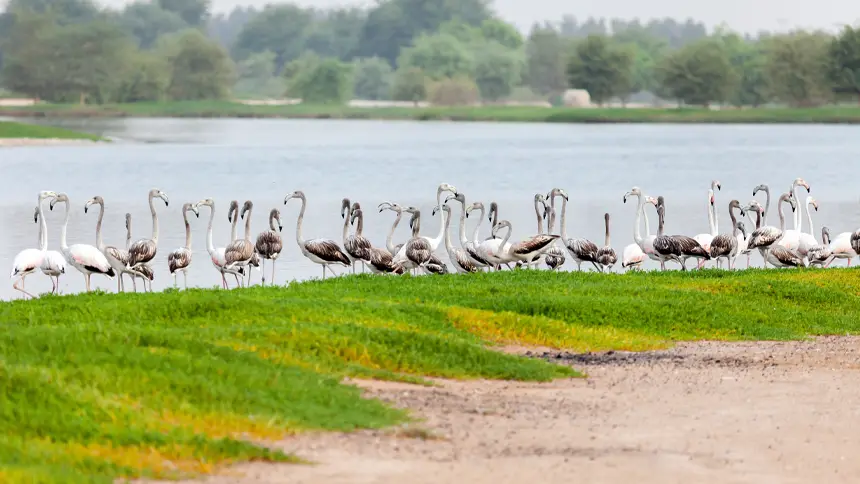
Al Wasit Wetland Centre is one of Sharjah’s most popular nature reserves, famous for birdwatching and wetland conservation. It provides a safe habitat for migratory and local birds, including flamingos and herons. Visitors can explore walking trails, observation towers, and educational exhibits while learning about the importance of protecting wetland ecosystems. The centre combines recreation with conservation, making it a top destination for families and students interested in nature.
Khor Kalba Mangrove Centre
Khor Kalba Mangrove Centre protects the unique mangrove ecosystems along Sharjah’s coast. Mangroves play a vital role in maintaining marine life by providing shelter and breeding grounds for fish, crabs, and other species. Visitors can enjoy guided eco-tours, kayaking, and photography while learning about marine conservation. The centre highlights the importance of preserving coastal habitats for biodiversity and sustainable tourism.
Wasit Nature Reserve
Wasit Nature Reserve is known for its restored habitats and rich biodiversity. The reserve is home to various desert plants, migratory birds, and small mammals. Walking trails, bird hides, and educational boards help visitors understand the importance of protecting desert ecosystems. The reserve also supports research and conservation programmes, making it a key site for environmental learning in Sharjah.
Al Hefaiyah Mountain Conservation Centre
Al Hefaiyah Mountain Conservation Centre focusses on protecting native wildlife and educating visitors about desert and mountain ecosystems. The centre houses animals such as Arabian leopards, mountain goats, and desert reptiles in naturalistic settings. Educational programmes, guided tours, and interactive exhibits teach visitors about wildlife conservation and the emirate’s natural heritage. It is ideal for students, families, and wildlife enthusiasts.
Flora and Fauna: Protecting Biodiversity
Sharjah’s flora and fauna play a vital role in protecting biodiversity and maintaining healthy natural ecosystems. The emirate is home to native plants that have adapted to desert conditions, such as salt-tolerant shrubs and hardy trees that survive with very little water. These plants support desert ecosystems by preventing soil erosion and providing shelter for wildlife. Sharjah also protects many endangered and migratory animal species, including birds that travel long distances and rely on wetlands for rest and food.
Nature reserves in Sharjah offer safe habitats where these animals can live and breed without disturbance. Conservation centres and protected areas carefully monitor wildlife and educate visitors about the importance of biodiversity. By preserving natural habitats and supporting wildlife protection programmes, Sharjah’s nature reserves help maintain an ecological balance. These efforts ensure that future generations can continue to learn about and enjoy the emirate’s rich plant and animal life.
Eco-Friendly Activities for Visitors
Sharjah offers a wide range of eco-friendly activities that allow visitors to explore nature in a responsible and enjoyable way. Guided nature walks and eco-tours help visitors learn about local plants, animals, and ecosystems while ensuring minimal impact on the environment. Birdwatching is especially popular in Sharjah’s wetlands and nature reserves, where migratory birds can be observed safely, making it ideal for wildlife photography. Many ecotourism sites also provide educational programmes and interactive exhibitions that explain conservation, biodiversity, and sustainability in simple and engaging ways.
These activities are designed to be family-friendly, offering hands-on learning experiences for children and students. By combining fun with education, eco-friendly activities in Sharjah encourage visitors to respect nature and understand its importance. Such experiences promote sustainable tourism and make Sharjah an excellent destination for eco-conscious travellers, schools, and families seeking meaningful nature-based adventures.
Sustainable Tourism Practices
Sustainable tourism practices in Sharjah focus on protecting the environment while allowing visitors to enjoy natural attractions responsibly. Environmentally responsible infrastructure, such as eco-friendly buildings, solar energy systems, and waste management facilities, helps reduce harm to nature. Nature reserves in Sharjah follow conservation-focused visitor policies, including limited access areas and clear guidelines, to protect wildlife and fragile ecosystems. These rules ensure that tourism does not disturb animals or damage natural habitats.
Community involvement is also an important part of sustainable tourism in Sharjah. Local residents take part in awareness programmes, guided tours, and conservation activities, which helps create a sense of responsibility towards the environment. Educational campaigns and workshops teach both visitors and communities about sustainable living and nature protection. By combining eco-friendly infrastructure, strict conservation policies, and strong community participation, Sharjah promotes responsible tourism and sets a positive example for sustainable travel in the UAE.
Why Eco-Tourism Matters for the Future
Ecotourism matters for the future because it helps protect the environment while supporting long-term economic growth. One of the main environmental benefits of ecotourism is the conservation of natural habitats, wildlife, and ecosystems through responsible travel practices. In Sharjah, ecotourism helps reduce pollution and encourages the careful use of natural resources. At the same time, sustainable tourism creates economic opportunities by providing jobs in conservation, education, guiding services, and eco-friendly businesses.
This allows local communities to earn a living while protecting their natural surroundings. Ecotourism also encourages responsible travel habits by teaching visitors to respect nature, follow environmental rules, and reduce waste. Educational activities and awareness programmes help people understand the impact of their actions on the environment. By promoting ecotourism, Sharjah supports a sustainable future where environmental protection, economic development, and responsible tourism work together for the benefit of future generations.
Conclusion
Sharjah’s ecotourism efforts highlight its strong commitment to protecting nature while promoting responsible travel. Through well-managed nature reserves, conservation centres, and eco-friendly tourism activities, the emirate has successfully balanced environmental protection with visitor experiences. Preserving natural heritage is important because it safeguards wildlife, native plants, and ecosystems for future generations to learn from and enjoy. Sharjah’s focus on sustainability helps reduce environmental damage and raises awareness about the importance of conservation among residents and tourists.
By involving local communities, supporting education, and following sustainable tourism practices, Sharjah sets a positive example for ecotourism in the UAE. It shows that tourism can support economic growth without harming the environment. As a result, Sharjah stands out as a model for sustainable travel, encouraging other destinations to protect their natural resources while promoting responsible and eco-friendly tourism.