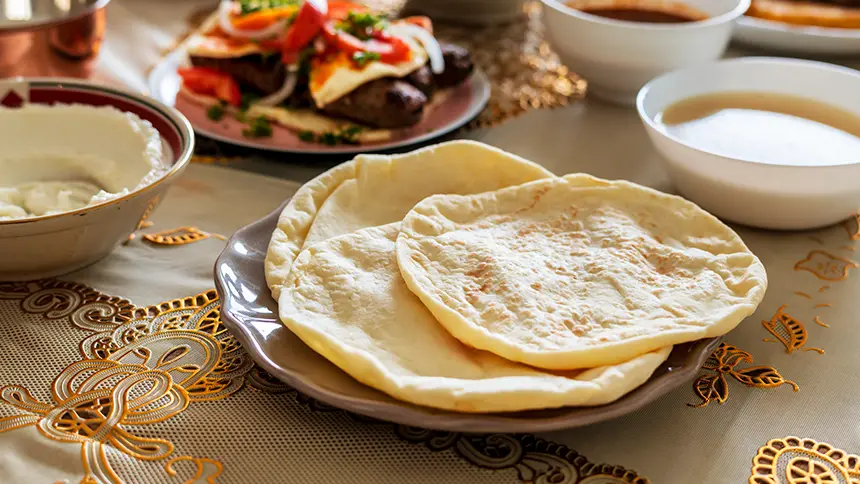
Traditional Emirati cooking reflects a deep connection to land, climate, and heritage. Long before modern kitchens, families in coastal towns, mountain villages, and desert camps relied on simple tools and natural heat sources to prepare flavourful meals. These old techniques helped shape today’s well-loved dishes, giving them their recognisable aroma, texture, and character.
Among the most valued methods are clay pots, open fires, and stone ovens. Each method offers a unique way of handling ingredients, controlling heat, and building taste. Even with modern technology, many households and restaurants still use these methods because they deliver memories, warmth, and authenticity.
Clay Pots: Slow Heat, Deep Flavour
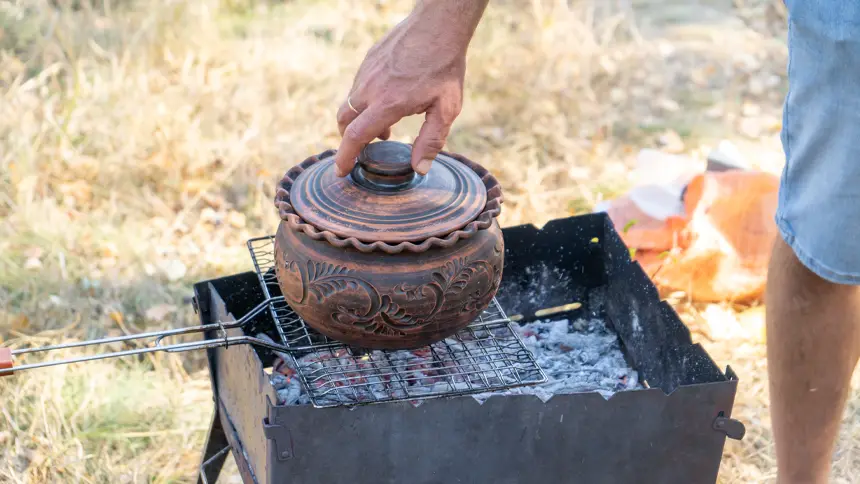
Clay pots, locally called gharrah or barniyah, have been used in the region for centuries. Formed from natural earth, they warm up gently and help ingredients cook at a steady pace. This slow method suits many Emirati dishes made with rice, spices, vegetables, and protein, allowing the flavours to blend smoothly during long simmering. Their porous structure releases a small amount of steam, preventing pressure build-up while keeping enough moisture inside to soften even the toughest ingredients.
These pots offer several practical benefits that make them valuable in traditional cooking. They spread heat evenly, protect ingredients from burning, and maintain natural moisture, resulting in soft and flavourful meals. The slight earthy aroma they add enriches each dish, and their ability to hold warmth reduces the need for constant fire. Slow, gentle cooking also helps preserve nutrients, making it both efficient and wholesome.
Meals Cooked in Clay Pots
- Harees: Wheat and meat blended into a thick porridge.
- Thareed: Bread layered with broth and vegetables.
- Machboos: Rice combined with spices, herbs, and protein.
- Saloona: A stew using vegetables and meat.
Each of these dishes benefits from steady heat, which helps ingredients blend beautifully.
How Clay Pots Are Used
Clay pots are first soaked briefly in water to prevent cracking, then filled in layers with spices at the bottom, followed by protein and finally liquids. Once prepared, the pot is placed over low heat for several hours, allowing the ingredients to cook gently and blend smoothly. This slow method is often carried out outdoors or on small stoves, keeping the traditional cooking experience intact.
Even with modern cookware available everywhere, many chefs still prefer these pots for traditional celebrations, Ramadan meals, and family gatherings because of their nostalgic value.
Open Fires: Authentic Aroma and Rustic Charm
Open-fire cooking was once central to Bedouin life, where travellers in desert camps roasted meat, brewed tea, and baked simple breads over glowing embers. This tradition still lives on during picnics, winter camps, and festivals, with wood or charcoal providing the heat and smoke that shape the distinct aroma of each dish.
Open flames offer a smoky flavour that modern stoves cannot match, with the taste influenced by the type of wood, distance from the fire, and heat level. This method creates a rustic scent, produces strong heat for quick cooking, brings people together, and works well for grilling, boiling, baking, or roasting in an enjoyable outdoor setting.
Popular Dishes Made Over Flames
- Regag Bread: Thin, crispy bread cooked on a hot metal plate above coals.
- Luqaimat: Dough balls fried beside warm embers.
- Fish Grills: Fresh catch seasoned with herbs and charred over hot coal.
- Camel Meat Preparations: Large cuts slow-roasted until tender.
Open fires also play a role in making Arabic coffee. Families traditionally roast beans over flames before grinding them, creating a strong and fragrant brew.
Techniques Used Over Open Flames
- Direct Grilling: Placing food directly on grates.
- Skewer Cooking: Meat threaded onto metal or wooden sticks.
- Ember Baking: Wrapping items like sweet potatoes in foil and burying them in hot coal.
- Pot Suspension: Hanging a pot above the flame using a steel frame.
Each technique demands patience, skill, and an eye for flame control.
Stone Ovens: Ancient Baking Craft
Stone ovens, also called tannour or taboon, have been used across the Arabian Peninsula for centuries. These ovens are built from clay, stone, or brick and are heated by wood or charcoal. Once they reach the right temperature, food is placed inside, and the retained heat cooks it slowly.
It excels at baking bread, roasting meat, and preparing layered rice dishes. Their circular design ensures even heat distribution, making them trustworthy tools for large families.
Why Stone Ovens Are Valuable
Stone retains warmth for a long time. Once heated, an oven can cook several dishes without adding more fuel.
Advantages
- Long-Lasting Heat: Perfect for slow and steady cooking.
- Even Warmth: Bread bakes beautifully without burning.
- Rich Flavour: Stone absorbs oils and spices over years of use.
- Large Capacity: Families can prepare meals for gatherings.
- Efficient Fuel Use: Once hot, it stays hot.
Commonly Made Dishes
- Khameer Bread: Slightly sweet, soft flatbread.
- Tannour Bread: Stuck into oven walls to bake quickly.
- Roasted Lamb: Slow-cooked until juicy.
- Rice Casseroles: Cooked in deep trays for celebrations.
Restaurants often recreate traditional stone-oven methods using modern technology, but many households still prefer handmade ovens during winter months or cultural events.
How Stone Ovens Work
Stone ovens work by burning wood inside until the walls become very hot, then clearing out the ash to retain the stored warmth. Dough or trays are placed on the oven floor or pressed against the heated walls, and the door is closed to trap the heat. Thanks to the circular design, food bakes evenly, creating a traditional style of cooking that evokes memories of family feasts, neighbourhood gatherings, and simple countryside life.
Cultural Importance of Traditional Techniques
Traditional cooking methods in the UAE do much more than prepare food; they keep heritage alive, strengthen family connections, and preserve the lifestyle of earlier generations. Many families still rely on clay pots, open fires, and similar tools during celebrations because these techniques bring back memories of grandparents, festive meals, and old traditions that shaped everyday life.
These methods also hold cultural value by connecting generations, protecting original recipes, and supporting skilled craftspeople such as potters and oven builders. They encourage slower, more mindful cooking and create rich, layered flavours through natural heat. In a nation known for rapid growth and modern landscapes, maintaining these traditional practices helps preserve a strong sense of cultural identity.
Modern Revival of Old Methods
Although modern appliances are widely used, there is renewed interest in traditional cooking methods. Many restaurants now feature clay pot dishes, resorts recreate Bedouin-style open-fire settings, and home cooks build small stone ovens in their backyards to enjoy weekend meals with a nostalgic touch.
This revival is driven by tourism, a growing focus on healthier slow-cooked food, and the rich natural flavours created by wood, clay, and gentle heat. Cultural pride also plays a strong role, inspiring people to preserve their roots. Across the UAE, workshops teach pottery, oven building, and fire-control skills, ensuring that these ancient techniques are passed on to younger generations.
Conclusion
Traditional Emirati cooking stands on three essential pillars: clay pots, open fires, and stone ovens. These methods shaped meals for desert travellers, fishermen, and mountain families long before modern kitchens existed. They offer gentle heat, smoky flavour, and deep cultural meaning. Even today, many cooks appreciate these methods for their natural warmth, slow rhythm, and unforgettable taste.
By understanding and using these techniques, people keep history alive. Each pot, flame, and oven tells a story of family, community, and a strong connection to land. As the UAE continues to grow, these old methods remain a reminder of simple times and timeless flavours.