Parenting and education are the heart of any culture. In the United Arab Emirates, these values are deeply shaped by history, religion, and modern growth. Emirati families have always viewed children as blessings, and raising them is seen as both a responsibility and a joy. Over time, while life in the Emirates has become more urban and fast-paced, traditional values still guide how parents nurture and teach their children.
Family at the Center of Life
Family forms the heart of Emirati life, where strong bonds unite generations under one roof. Respect for the elderly, close ties between relatives, and a shared sense of duty create a supportive environment for raising children. In many Emirati homes, grandparents, parents, and cousins live nearby, allowing traditions and life lessons to be passed down naturally. Elders are deeply valued as guides in teaching manners, moral behavior, and family loyalty, ensuring that each new generation grows up with a deep sense of respect and belonging.
The Role of Religion in Parenting
Religion plays a central role in Emirati parenting, guiding the moral and emotional growth of children through Islamic values such as kindness, honesty, respect, and patience. From an early age, children are taught faith (Iman), good manners (Akhlaq), and responsibility (Amanah), along with the importance of caring for their community. Parents encourage prayer, respectful greetings, and participation in social and religious activities. Through stories from Islamic history and the life of the Prophet, moral lessons are shared, shaping children into compassionate, humble, and trustworthy individuals who live by their faith.
Traditional Parenting Practices
Before the UAE’s rapid modernization, Emirati parenting was simple yet rooted in nature, faith, and survival. Families in desert and coastal communities raised children with values of respect, patience, generosity, and pride in their heritage. Mothers nurtured emotional and moral growth, while fathers provided discipline, security, and guidance. Though these roles have evolved with modern life, their essence remains. Even today, traditional lullabies, folk tales, and poems are shared at home, keeping alive lessons of kindness, strength, and cultural pride.
The Influence of Modern Life
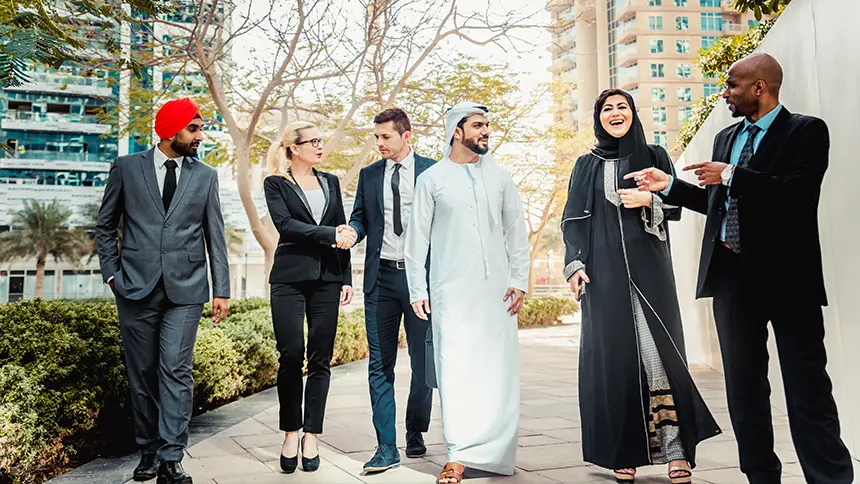
With the UAE’s rapid growth and modernization, family dynamics and education have evolved, leading many Emirati parents to blend traditional values with modern approaches. Families today tend to be smaller, with both parents actively involved in raising children. There is greater emphasis on education, technology, and self-expression, while many mothers balance professional careers with family responsibilities. Despite these changes, Emiratis continue to uphold respect, modesty, and cultural pride. By combining traditional wisdom with contemporary parenting methods, they prepare their children to thrive in a globalized world without losing touch with their heritage.
Education as a Cornerstone of Progress
Education has long been a pillar of Emirati culture, once centered on religious studies and Arabic literacy in traditional Kuttab schools where children memorized the Quran and learned to read and write. Following the discovery of oil and the founding of the UAE in 1971, the nation made significant investments in building a world-class education system. Today, Emirati schools and universities emphasize equality for both genders, bilingual learning in Arabic and English, and the integration of science, technology, and innovation. With scholarships encouraging higher studies abroad and a continued focus on moral and cultural values, the UAE’s education system aims to nurture not only skilled professionals but also responsible citizens who honor their heritage and contribute meaningfully to society.
Early Childhood Learning
In Emirati culture, learning begins at home, as parents view early childhood as the foundation for shaping character, behavior, and curiosity. From a young age, children are encouraged to listen to stories, learn simple prayers and Arabic phrases, and engage in educational games that build confidence and creativity. Artistic activities like music, drawing, and play are also valued for nurturing imagination. Nurseries and preschools across the UAE combine play-based methods with traditional teachings, emphasizing teamwork, respect, and communication. This balanced approach helps children develop both academically and emotionally, preparing them for lifelong learning.
Role of Mothers and Fathers
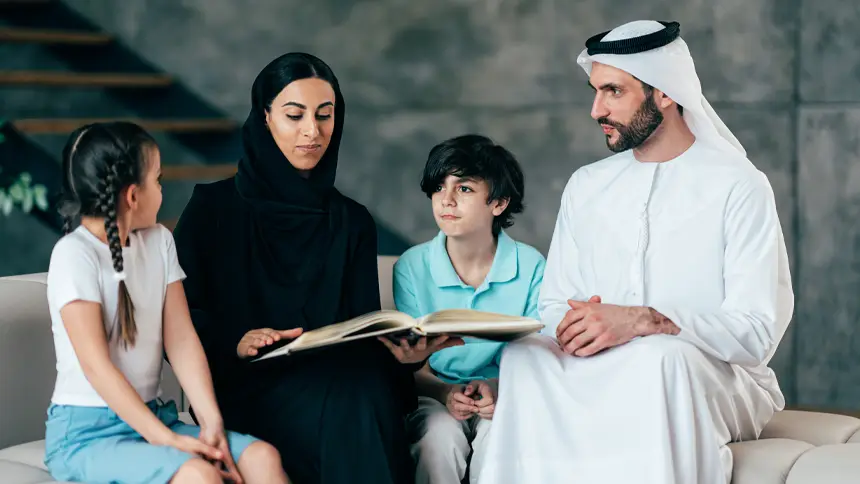
Parenting in the UAE has become more balanced, with both mothers and fathers sharing responsibilities while maintaining their unique roles. Mothers provide emotional support, nurture their children with care, and pass down manners, language, and cultural traditions through storytelling and conversation. Fathers act as role models of discipline, strength, and leadership, instilling pride in faith and heritage while encouraging ambition and responsibility. Today, Emirati fathers are more actively involved, participating in school events, helping with studies, and motivating children in sports and hobbies. This harmony between parental roles fosters confidence, respect, and strong family bonds in the younger generation.
Cultural Values in Education
Schools in the UAE go beyond academics by placing strong emphasis on cultural awareness and national identity. Students are taught the country’s history, Arabic poetry, and Emirati traditions, helping them connect with their roots. Lessons often highlight the importance of national symbols such as the UAE flag, traditional clothing, cuisine, and music, along with respect for the nation’s leaders and founders. Events like National Day and Flag Day are celebrated to strengthen pride and unity. By blending modern education with cultural learning, schools ensure that students embrace progress while preserving their Emirati identity.
Respect and Discipline
Respect is a cornerstone of Emirati upbringing, where children are taught to greet elders first, listen attentively, and behave with politeness in all situations. Discipline is practiced with care, focusing on teaching and guidance rather than punishment. Parents lead by example, calmly correcting mistakes, rewarding honesty and kindness, and encouraging responsibility from an early age. Through daily routines and consistent values, children grow to embody humility, gratitude, and empathy, qualities that form the foundation of strong character and responsible citizenship.
Community Support and Shared Responsibility
In Emirati culture, raising children is viewed as a shared community effort rather than solely a parental duty. Neighbors, teachers, and relatives all contribute to shaping young minds and supporting families. Local councils and cultural centers host parenting workshops, mosques offer moral guidance, and schools organize family events that strengthen relationships. Even the media plays a role in promoting awareness of balanced and responsible parenting. This collective approach creates a nurturing environment where children grow up feeling supported, confident, and respectful members of society.
The Future of Parenting and Education in the UAE
As technology and globalization reshape daily life, Emirati parents are adapting to new challenges such as managing screen time, ensuring online safety, and balancing global influences with cultural values. Modern education now includes digital learning, emotional development, environmental awareness, and lessons in sustainability. Families also engage in storytelling and heritage-based programs to keep traditions alive. With growing attention to mental well-being and individuality, parents aim to nurture children who are confident, creative, and proud of their roots while being fully prepared to thrive as global citizens.
Conclusion
Emirati parenting and education traditions are a blend of old and new, where family, faith, and learning come together to form a strong social fabric. Parents nurture children with love, discipline, and respect for heritage, while schools prepare them for the modern world.
The heart of Emirati upbringing lies in balance, between tradition and innovation, between community and individuality. This harmony ensures that as the nation moves forward, its people remain deeply connected to their values.