Public-Private Partnerships (PPP) are a way for the government and industry partners to work together on important projects. In a PPP, the government provides guidance and support, while private-sector firms bring money, skills, and modern technology. This teamwork helps complete projects more quickly and with better quality. PPP has become very important in modern development because countries need safe roads, good hospitals, clean energy, and smart technology. By sharing responsibilities, both sides can achieve more than they could alone. PPP also helps reduce the financial pressure on the government and encourages innovation.
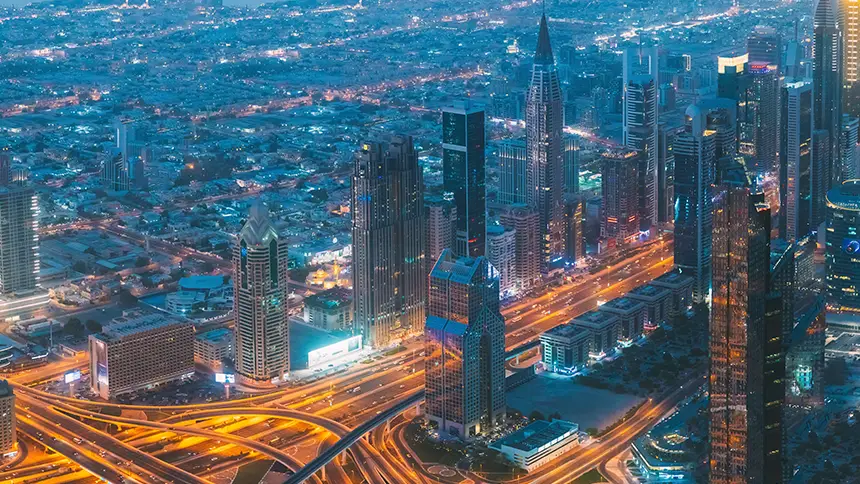
In the United Arab Emirates (UAE), PPP plays a key role in the country’s long-term vision for growth. The UAE aims to build world-class cities, improve public services, and create a strong, sustainable economy. To achieve this, the government encourages business partners to join hands in building infrastructure, supporting education, and developing new technologies. Through PPP, the UAE continues to move towards a brighter and more modern future.
Evolution of PPP in the UAE
The evolution of Public-Private Partnerships (PPP) in the UAE began with early infrastructure projects that helped shape the country’s modern development. In the past, the government took the main responsibility for building roads, ports, schools, and basic services. However, as the UAE continued to grow rapidly, it became clear that working with corporate investors would make development faster and more efficient. This led to the introduction of PPP models, where both sides share responsibilities and resources. Over time, the UAE government created strong policies to support PPP, offering guidelines that ensure transparency, good planning, and fair agreements.
These policies encourage private-sector organisations to invest in projects that benefit society, such as transportation, healthcare, and clean energy. Several emirates have taken major steps in adopting PPP frameworks. Dubai was one of the first to introduce a clear PPP law to support large infrastructure and smart city projects. Abu Dhabi followed with its own well-organised framework to attract international companies and develop advanced services. Sharjah has also introduced PPP initiatives, especially in education and environmental projects. Together, these efforts show how the UAE has expanded PPP to support long-term growth, innovation, and better public services for its people.
Benefits of PPP Models
Public-Private Partnerships (PPP) bring many important benefits to a country’s development, and this is especially true in the UAE. One major advantage is that PPP reduces the financial burden on the government. Instead of paying for everything alone, the government shares the cost with commercial partners, allowing more money to be used for other public needs. PPP also helps complete projects faster, because private-sector groups often have better experience, skilled workers, and modern tools. Another key benefit is access to global expertise and advanced technology. International companies bring new ideas, smart systems, and innovative solutions that help improve the quality of public services.
Whether it is transportation, healthcare, or renewable energy, PPP ensures that services are more reliable and efficient for the community. In addition, PPP supports job creation by opening new opportunities for engineers, technicians, teachers, healthcare workers, and many others. As more projects are developed, the economy grows stronger and more diverse. This helps attract new investments and supports long-term progress. Overall, PPP models allow the government and private industry to work together in a powerful way, improving daily life and helping the UAE build a successful and sustainable future.
Key Sectors Utilizing PPP in the UAE
Transportation and Infrastructure
Transportation and infrastructure are major areas where PPP is widely used in the UAE. Through PPP, the government and private companies work together to build and improve roads, highways, and ports that connect cities and support trade. PPP also helps develop modern transport systems such as the metro, public bus networks, and smart mobility solutions. These projects make travelling safer, faster, and more comfortable for everyone while reducing traffic and supporting economic growth.
Healthcare
The healthcare sector benefits greatly from PPP models in the UAE. Private companies help the government build advanced hospitals and clinics equipped with the latest machines and technologies. PPP also supports the creation of medical research facilities, where experts study diseases and develop new treatments. This partnership helps improve the quality of healthcare services, making sure people receive faster, smarter, and more reliable medical care.
Education
PPP plays an important role in strengthening education in the UAE. Many schools are built through partnerships between the government and private companies, ensuring students have safe and modern learning environments. PPP also supports technology partnerships that bring smart learning tools, digital classrooms, and innovative teaching methods. This helps students gain new skills and prepares them for a future driven by technology.
Renewable Energy & Sustainability
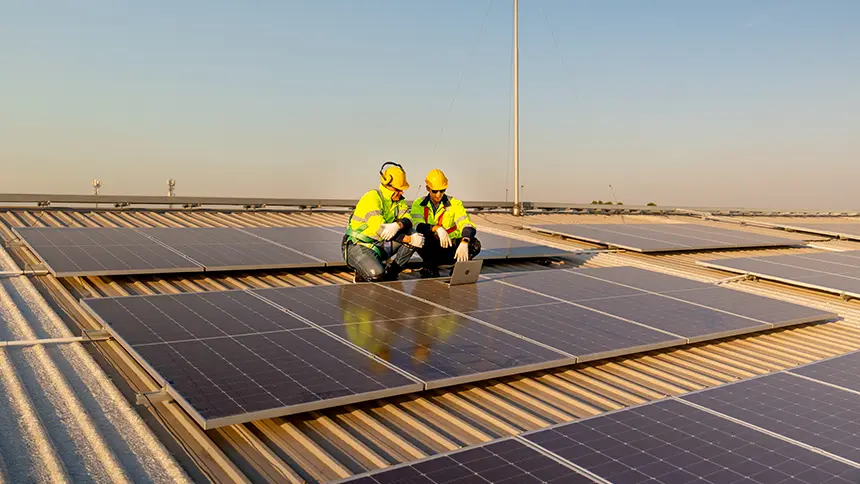
The UAE uses PPP to promote renewable energy and protect the environment. Through these partnerships, large solar parks are built to produce clean energy, reducing pollution and saving natural resources. PPP also helps develop waste-to-energy plants that turn rubbish into usable power. These clean energy partnerships support the UAE’s sustainability goals and encourage greener living for future generations.
Housing & Real Estate
In the housing and real estate sector, PPP helps provide affordable housing projects for families and workers across the UAE. The government and private companies work together to build comfortable and budget-friendly homes. PPP also supports smart city developments, which include modern buildings, green spaces, and advanced digital services. These projects improve the quality of life and create well-planned communities.
Notable PPP Projects in the UAE
The UAE has completed many successful Public-Private Partnership (PPP) projects that have helped the country grow and improve public services. One of the most famous projects is the Mohammed bin Rashid Solar Park in Dubai, one of the largest solar parks in the world. Built through strong partnerships with private companies, it produces clean, renewable energy and supports the UAE’s goal of becoming more environmentally friendly. Another major PPP achievement is the Dubai Metro expansion, which has made travelling faster, safer, and easier for thousands of people every day. Private partners helped design, build, and operate modern metro lines that connect important areas across the city.
The UAE has also invested in waste-to-energy facilities, which use advanced technology to convert rubbish into useful electricity. This helps reduce landfill waste and protects the environment. In addition, PPP models have been used to build schools in various emirates, providing students with modern classrooms, digital tools, and improved learning experiences. These schools show how cooperation between the government and private sector can create better education opportunities. Altogether, these notable PPP projects highlight the UAE’s commitment to innovation, sustainability, and high-quality public services.
PPP Regulatory Framework
The UAE has created a strong regulatory framework to guide Public-Private Partnerships (PPP) and ensure projects are planned and managed properly. At the national level, the UAE federal PPP law provides general rules that explain how the government and private companies should work together. This law helps create trust, encourages investment, and supports long-term development. In addition to the federal law, individual emirates have their own frameworks. Dubai introduced one of the earliest PPP laws to support major projects in transport, energy, and smart city development. Abu Dhabi also follows a detailed PPP system that attracts global companies and helps manage large infrastructure and service projects.
These emirate-level rules ensure that partnerships match each region’s needs. The UAE also follows clear public procurement standards, which explain how companies can apply for government projects. These standards ensure that all companies are treated fairly during the selection process. Another important part of the framework is the focus on transparency and accountability mechanisms. This means all decisions, spending, and responsibilities must be clear and well-documented. These measures help prevent mistakes, build public confidence, and ensure that PPP projects are completed safely, efficiently, and with high quality.
Future Opportunities for PPP in the UAE
The UAE has many exciting future opportunities for Public-Private Partnerships (PPP) as it continues to develop and modernise. One major area is smart city expansion, where PPP can help create cities with advanced technology, efficient transport, and eco-friendly services. Private companies can support the government by providing new digital tools and innovative systems. Another important opportunity is in digital infrastructure, including artificial intelligence (AI) and cybersecurity. These technologies are essential for safer online services, smarter communication networks, and better government systems.
PPP can also support the development of water desalination projects, which are crucial for a country with limited fresh water sources. Modern desalination plants help provide clean drinking water while using less energy. The UAE is also growing as a global destination, which creates more chances for PPP in tourism and cultural development. Partnerships can help build museums, entertainment centres, cultural landmarks, and sustainable tourist attractions. Finally, the UAE is focusing on green and sustainable construction, encouraging eco-friendly buildings that save energy and protect the environment. With the help of private companies, the UAE can achieve its goals more quickly and effectively. These opportunities show how PPP will continue to shape the nation’s future.
Conclusion
In conclusion, Public-Private Partnerships (PPP) play a very important role in supporting the UAE’s development. They allow the government and private companies to work together, share responsibilities, and complete major projects more efficiently. PPP helps bring in modern technology, global expertise, and new ideas that improve public services in areas like transport, education, healthcare, energy, and housing. It also reduces the financial burden on the government and supports economic growth. PPP is a key part of the UAE’s long-term vision for building smart cities, protecting the environment, and creating a strong and sustainable future. By encouraging private investment and innovation, the UAE can continue to develop world-class infrastructure and provide a better quality of life for its people. As the country moves forward, continued collaboration between the public and private sectors will help achieve future goals and drive progress for generations to come.