The United Arab Emirates is known for its skyscrapers, luxury, and modern lifestyle, but behind all this progress lies a deep respect for tradition. One of the most cherished customs that continues to shape Emirati society is the Majlis. More than just a room or a meeting spot, this gathering space represents the essence of Emirati hospitality, communication, and cultural identity.
What is a Majlis?
The word Majlis comes from the Arabic root “jalasa,” which means “to sit.” It refers to a place where people gather to talk, exchange ideas, and strengthen relationships.
Traditionally, the assembly served as:
- A meeting space for family discussions.
- A venue for community decision-making.
- A spot for entertaining guests.
- A place for resolving disputes or celebrating occasions.
Even today, the meeting room is a symbol of Emirati values, respect, generosity, and togetherness.
Historical Roots of the Majlis
Long before the discovery of oil, life in the Arabian Peninsula was centered around tribes. In these close-knit communities, leaders and elders often hold meetings to discuss issues that affect everyone. The council room was where wisdom was shared, and justice was carried out.
In the Past
In the past, the traditional hall was often built next to a house or tent, usually made from palm fronds or mud bricks. It served as a central place where men gathered to discuss trade, travel, and community matters. Guests were welcomed with Arabic coffee (Gahwa) and dates, a gesture that reflected warmth and hospitality. During the evenings, the social room came alive with storytelling, poetry, and traditional music, creating an atmosphere of joy and togetherness. It truly stood as the heart of the village, a space that connected people through conversation, culture, and shared experiences.
Architecture and Design
The heritage space is not only a cultural concept but also an architectural feature found in almost every Emirati home.
Traditional Setting
- Location: Usually built near the entrance of the house to welcome visitors easily.
- Structure: Made with natural materials such as wood, palm leaves, and gypsum.
- Layout: Wide, open space with carpets and cushions along the walls.
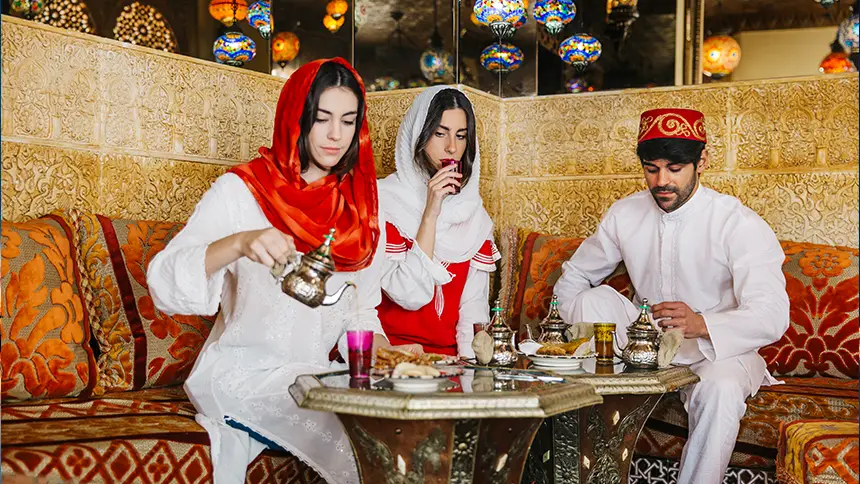
- Decoration: Arabic calligraphy, lanterns, and traditional patterns enhance its beauty.
Modern Setting
- Comfort: Air-conditioned rooms with elegant sofas and chandeliers.
- Technology: Equipped with screens or sound systems for presentations or entertainment.
- Style: Combines modern luxury with Emirati heritage, creating a balance between past and present.
Whether simple or grand, this gathering room always carries the same purpose: to bring people together in comfort and respect.
Hospitality and Etiquette
In Emirati culture, hospitality is more than just good manners, it is a way of life deeply rooted in tradition. The sitting area plays an important role in expressing this value, serving as a space where generosity, kindness, and respect come together. Every gesture within the meeting room, from the way guests are welcomed to how conversations are held, reflects the Emirati spirit of warmth and courtesy.
Welcoming Guests
When visitors arrive, the host greets each one with genuine warmth and offers Arabic coffee and dates as a symbol of welcome and respect. The coffee is always served from the right-hand side, following a long-standing cultural rule that represents order and politeness. Guests are expected to accept the first cup of coffee, as refusing it might be seen as a rejection of hospitality. This simple act of serving and receiving coffee reflects mutual appreciation and friendship, forming the foundation of every assembly gathering.
Behavior Inside the Gathering Space
Once inside the heritage hall, everyone sits respectfully, usually cross-legged or on comfortable cushions placed along the walls. Loud voices and arguments are avoided to maintain a calm and pleasant environment. Mobile phones are kept silent, especially during important discussions, to show attentiveness and respect to others. Conversations usually revolve around family updates, local happenings, or general topics, while personal or political issues are avoided. These customs remind everyone that the social hall is a place for harmony, understanding, and shared wisdom.
Through such practices, the Majlis continues to teach valuable lessons of patience, politeness, and unity, keeping the essence of Emirati hospitality alive across generations.
The Majlis in Modern Times
Although life in the UAE has changed dramatically with rapid development and urbanization, the Majlis remains an essential part of everyday life. It continues to serve as a symbol of togetherness and hospitality, bridging the past with the present.
In Modern Homes
In today’s homes, the reception room is used to welcome guests, celebrate family occasions, and hold meaningful discussions. While the designs have become more luxurious and suited to city living, the warmth and respect that define this tradition remain unchanged.
In Government and Business
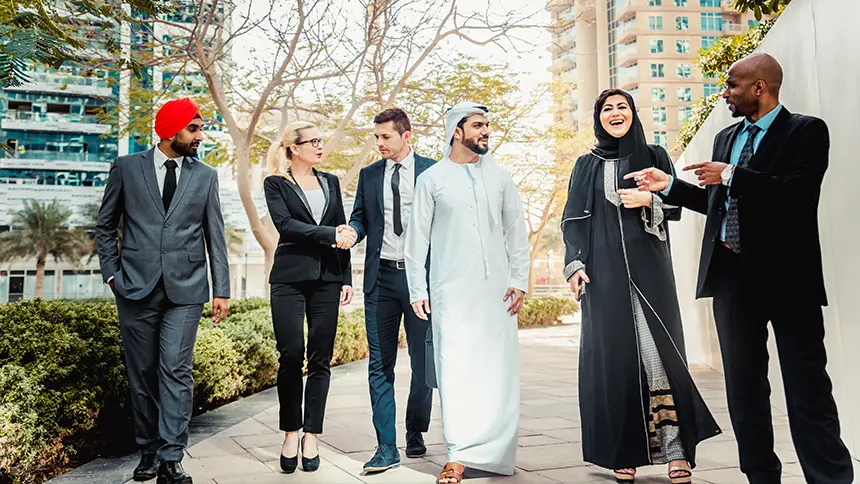
Many government offices and business organizations have adopted the Majlis-style concept for meetings and discussions. These spaces create a relaxed yet respectful environment that encourages open communication, teamwork, and trust among participants.
In Education and Culture
Educational institutions across the UAE hold “Student Majlis” sessions to encourage dialogue and leadership among young people. Similarly, cultural festivals and exhibitions often include heritage room displays, celebrating its historical importance and design.
Through these modern adaptations, this gathering tradition has evolved from a simple tribal meeting place into a strong symbol of Emirati identity and social connection.
Cultural Values Represented by the Majlis
The Majlis represents more than just a meeting space, it reflects the core values of Emirati life. It teaches respect, where everyone is treated with courtesy and attention; generosity, shown through serving guests with warmth and pride; communication, which builds trust and understanding among people; and tradition, preserved through stories, poetry, and customs passed down through generations. Together, these values make the meeting hall a living classroom of ethics, reminding everyone of the importance of kindness, unity, and cultural pride in everyday life.
Role During Special Occasions
Throughout the year, the Majlis plays a role in national and personal celebrations.
During Ramadan
- Families gather before and after fasting hours to share meals.
- Discussions become spiritual and reflective.
At Weddings
- Elders bless the couple and offer advice.
- Guests enjoy traditional music, sweets, and laughter.
During National Day
- Patriotic songs, poems, and stories about the country’s history are shared.
The Majlis becomes a place of joy, faith, and unity during every important moment.
The Majlis as Cultural Heritage
The importance of the Majlis is officially recognized by UNESCO. In 2015, it was listed as part of the Intangible Cultural Heritage of Humanity, shared by the UAE, Saudi Arabia, Oman, and Qatar.
This recognition highlights how this traditional gathering:
- Encourages dialogue and peaceful coexistence.
- Preserves traditional arts and oral history.
- Promotes respect for diversity and shared identity.
By protecting this practice, the UAE ensures that its culture remains strong even in a rapidly modernizing world.
Conclusion
The Majlis is more than a meeting place, it is a living expression of identity, kindness, and connection. It reflects the heart of Emirati society, where hospitality meets wisdom, and old customs blend with new ways of living.
Even as skyscrapers rise and technology advances, this gathering room continues to remind everyone of what truly matters: respect, communication, and unity. By keeping the Majlis alive, the UAE preserves not only a tradition but also a philosophy, that progress is most meaningful when it grows from the roots of culture.