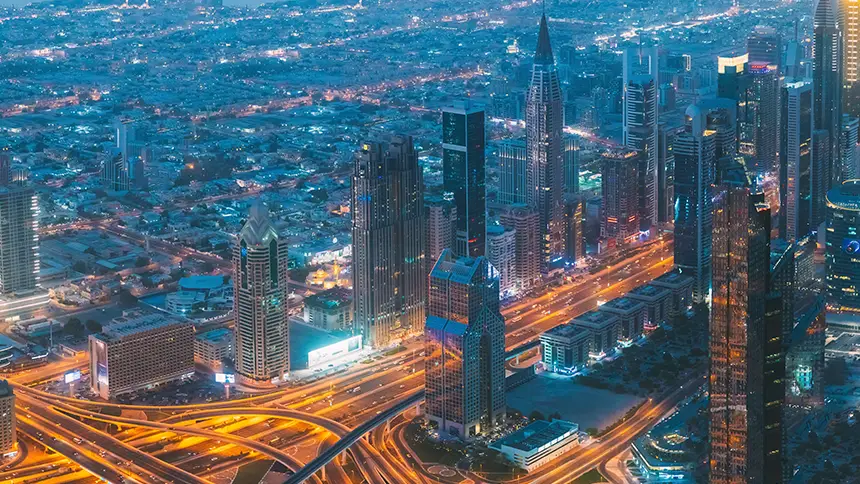
The emirate is one of the fastest-growing cities in the world. Its rapid development in business, tourism, and infrastructure has increased the need for power. Electricity is very important for the metropolis because it powers homes, offices, factories, and transport systems. The city’s economy has grown a lot due to industries like oil, trade, and construction, and all of these need fuel and resources to work properly. The Gulf hub has large oil and gas reserves, which have been a major source of income for many years. At the same time, the government is investing in renewable sources, such as solar power, to make the city more sustainable and reduce pollution. By using a mix of oil, gas, and clean power, the emirate can meet its growing supply needs and support its future growth. Power is not just a resource here; it is a key part of the region’s success and progress.
Overview of the Power Sector
The emirate’s power sector is one of the most important parts of the city’s economy. The region produces a large amount of oil and natural gas, which are used for electricity, transportation, and industries. The metropolis consumes resources not only for homes and businesses but also for its many construction projects, shopping malls, and airports. This sector contributes a significant part to the country’s economy, helping the Gulf hub grow and attract businesses from around the world. The city also plays an important role in the regional fuel market, supplying oil and gas to other countries in the Middle East. In recent years, the emirate has started producing more renewable power, especially from solar sources, to meet future needs and reduce pollution. The government has set clear targets to increase clean power and improve efficiency, making the metropolis a leader in both traditional and modern supply solutions in the region.
Oil Industry in the Emirate
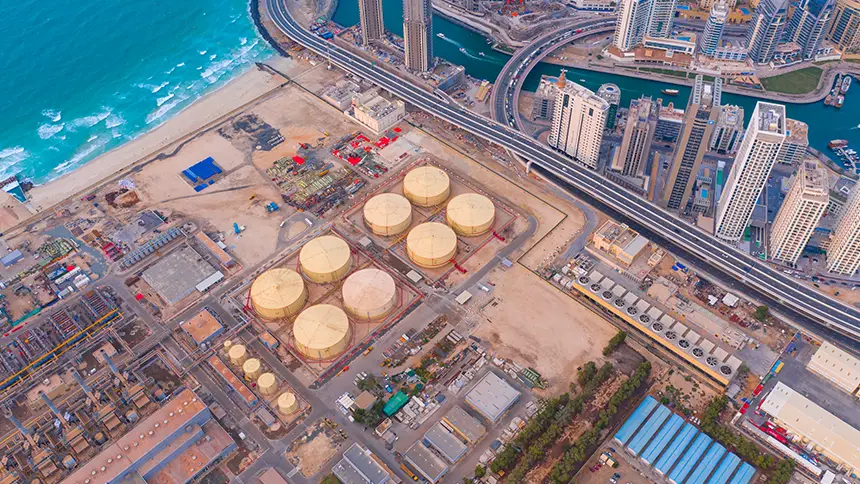
The city’s oil industry has played a big role in its growth. Oil was discovered in the 1960s, which helped the economy develop quickly. The metropolis has several oil fields and companies that produce large amounts of crude oil for both local use and export. Oil provides fuel for cars, airplanes, and industries, and it brings money to support schools, hospitals, and roads. Even though the Gulf hub is now focusing on renewable power, oil is still very important for the economy. The government continues to manage production carefully to keep output steady while planning for a future with less dependence on fossil fuels.
History of Oil Discovery in the Region
Oil was first discovered in 1966 at the Fateh oil field, marking the start of a new era. Before oil, the emirate’s economy depended on fishing, pearl diving, and trade. The discovery brought foreign investment and modern technology, helping build roads, ports, and schools. It also created jobs and increased wealth. Over time, more oil fields were developed, making the metropolis an important player in the global fuel market. This discovery changed the trading center from a small town into a modern, fast-growing city with strong economic foundations.
Major Oil Companies and Production Sites
The emirate has several important oil companies that manage its production and resources. The main company is Dubai Petroleum, which operates many oil fields including Fateh, Zakum, and Margham. These sites produce large amounts of crude oil every day for local use and export. Other companies work with international partners to improve technology and increase efficiency. The oil is used to make fuel for cars, electricity, and industries. These production sites are carefully managed to maintain steady output while protecting the environment. Together, these companies and fields play a key role in supporting the region’s economy and fuel needs.
Contribution to Economy and Exports
Oil has greatly helped the emirate’s economy by bringing money, jobs, and development. It provides income that supports schools, hospitals, roads, and public services. A large part of the oil is exported to other countries, earning valuable foreign currency. These exports make the metropolis an important player in the global market. Oil also attracts investors and supports other industries, such as construction, transportation, and trade. Even as the city develops renewable sources, oil continues to be a major source of wealth, helping the region grow quickly and improve the standard of living for its people.
Natural Gas in the Metropolis
Natural gas is another important resource in the emirate. The region has several reserves, which are carefully used to meet growing power needs. Gas is produced from fields like the Fateh and offshore areas, and it provides a cleaner alternative to oil. It is used in many ways, including generating electricity for homes and offices, running factories, and supplying gas for cooking and heating in households. The government and private companies have invested in pipelines, storage facilities, and processing plants to make sure natural gas reaches everyone safely and efficiently. The metropolis is also exploring ways to increase production and use advanced technology to reduce waste. In the future, natural gas will play a key role alongside renewable power to provide a stable and sustainable supply. It helps the city grow while keeping the environment cleaner than relying only on oil.
Renewable Sources in the Region
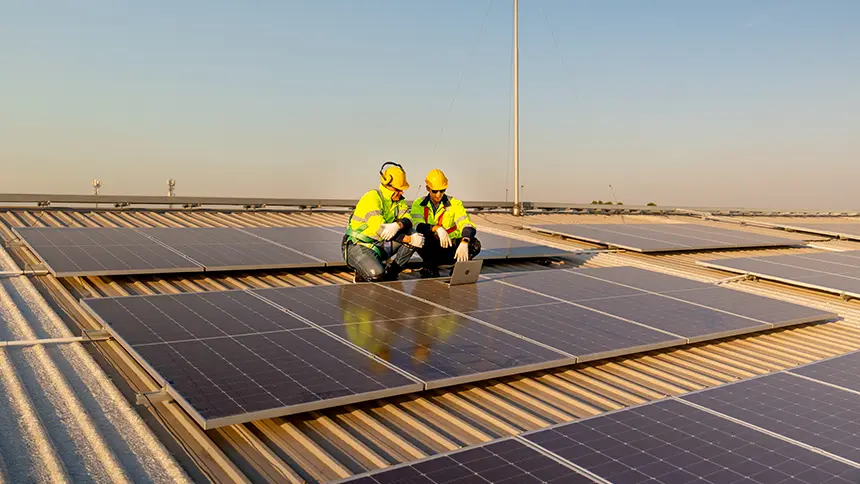
The emirate is investing heavily in renewable power to make the city more sustainable. The most popular source is solar energy, and the Mohammed bin Rashid Al Maktoum Solar Park is one of the largest in the world. Solar panels capture sunlight and turn it into electricity for homes, schools, and businesses. The metropolis is also exploring wind energy and other clean technologies. The government has set clear goals to increase the share of renewables in the city’s total supply, reduce pollution, and lower carbon emissions. Clean power helps save natural resources like oil and gas while protecting the environment. It also creates new jobs in technology, research, and construction. By combining renewable sources with oil and natural gas, the emirate can meet the growing needs of residents and businesses. These efforts make the region a leader in green power in the Middle East.
Power Innovation and Technology in the Emirate
The metropolis is using modern technology to make its power sector smarter and more efficient. The city has introduced smart grids, which help distribute electricity in a better way and reduce waste. Advanced meters allow people to track their usage and save power at home and in offices. The emirate also invests in research and development to create new solutions, such as better solar panels and storage systems. Many international companies work with the region to bring the latest technology for clean and reliable supply. These innovations help the Gulf hub use less oil and gas while producing more renewable sources. Technology also supports industries, transport, and buildings, making them more efficient. By focusing on innovation, the metropolis can meet its growing demand, protect the environment, and become a world leader in smart and sustainable systems.
Conclusion
The emirate’s power sector is a strong mix of oil, gas, and renewable sources that supports growth and modern lifestyle. Oil and natural gas have been the foundation of its progress, providing income, jobs, and resources for industries, transportation, and exports. At the same time, the metropolis is looking ahead by investing in renewable power, especially solar energy, to reduce pollution and save natural resources. Innovation and technology are helping the region use power more wisely, making homes, businesses, and industries more efficient. Even though there are challenges like rising demand and the need to cut carbon emissions, the emirate is turning these into opportunities by promoting clean power and green development. With clear goals, strong policies, and international partnerships, the city is building a system that balances tradition with sustainability. This forward-thinking approach makes the Gulf hub a leader in power for the region and the future.